Loading video…
All breakouts Locked — upgrade to Pro to open.Open on TikTokPro
No preview available · watch on TikTok below
24.7Consumer Apps
Post
Post by @conscious.app
@conscious.app
25.5K followers · usually 2.6K views a post
Views
59.9K
Likes
6.9K
Comments
225
Shares
699
We’re still analyzing this post.
Original caption
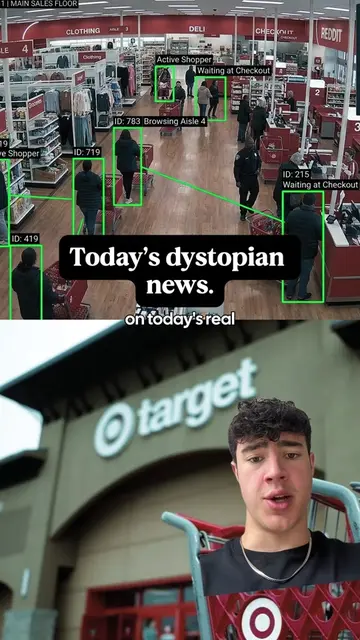
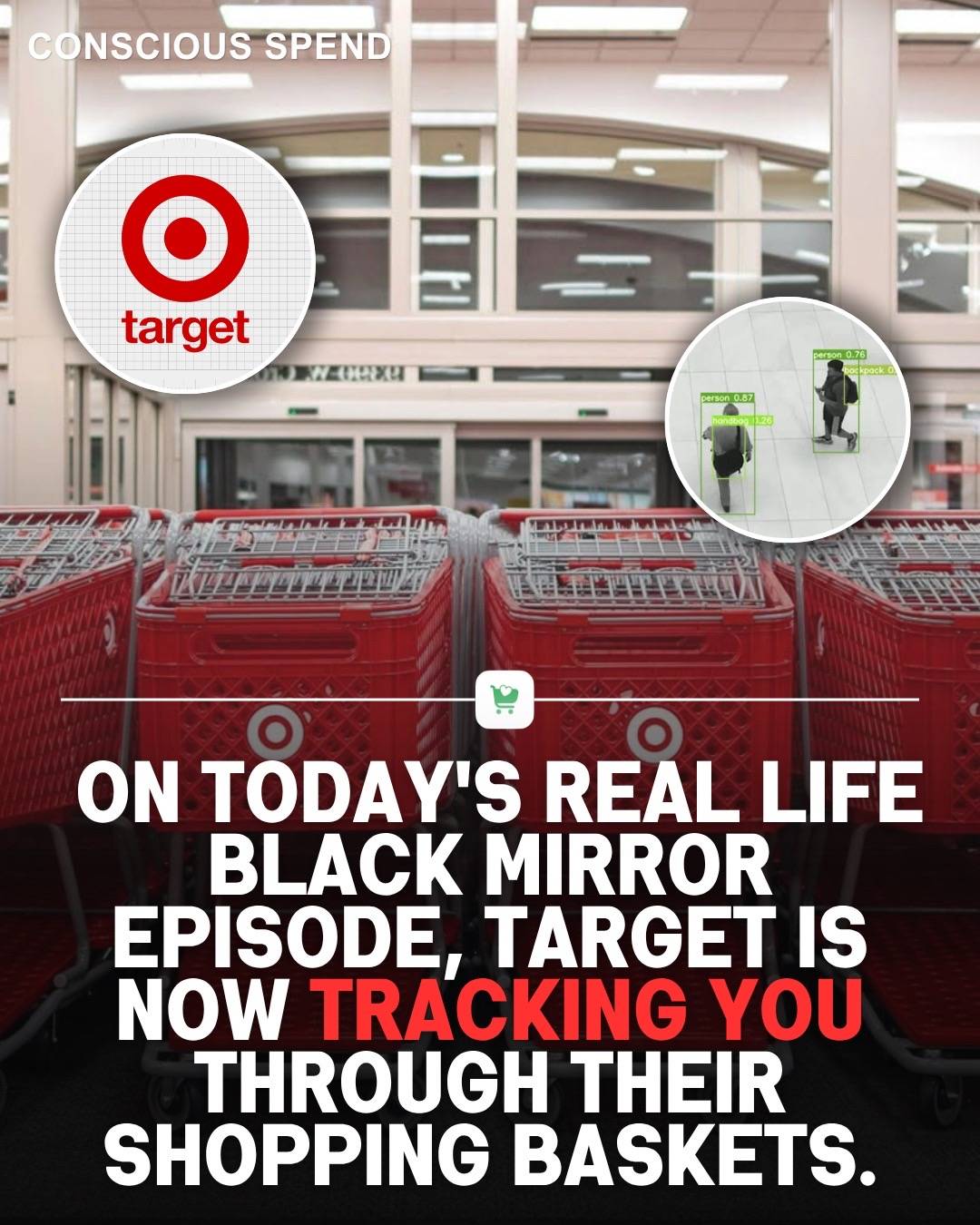
Seattle just became the first city in the US to pass a ban on surveillance pricing at grocery stores. On September 22nd, Seattle's council voted 7 to 2 to stop any grocery chain with 20 or more stores from using your personal information to set your price. Mayor Katie Wilson, who backed the bill, is expected to sign it, and it takes effect September 1st, 2027. In December 2025, Consumer Reports and two advocacy groups had 437 people shop Instacart at the same time. 74% of items showed different prices to different shoppers, with no warning. One store tested was a Safeway in Seattle. A follow-up test found the same pattern on Instacart at Costco, Kroger and Albertsons, and Instacart ended the program after the report. Consumer Reports also found Kroger profiles its 63 million loyalty members, including a guess at their income. One shopper got his 62-page file, with the wrong gender, wrong education and wrong income. It may have been shared with over 50 companies. Stores are also collecting far more about you than what you buy. Some now use facial recognition, cameras that track your eye movements and the way you walk, and digital price tags that can change all at once. No federal rule requires stores to tell you what they collect inside their doors. The price tag used to be the same for everyone. Seattle is trying to keep it that way. Most of the country hasn't done the same. Until your city changes, the only thing you control is where you shop. If you want to find ethical companies that won't watch you while you shop, you can use the Conscious Spend app to find ethical alternatives to big brands, see who owns what you buy and much, much more.
More from @conscious.app
More breakout videos from this creator.