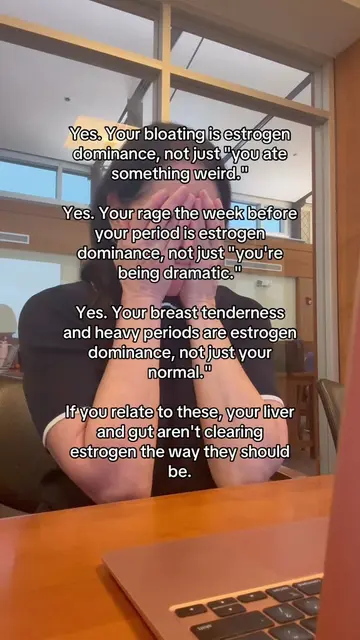
Loading video…
All breakouts Locked — upgrade to Pro to open.Open on TikTokPro

No preview available · watch on TikTok below
45.9Health
Post
Post by @laurel_gut_health_doc
@laurel_gut_health_doc
91.2K followers · usually 1.0K views a post
Views
46.5K
Likes
616
Comments
7
Shares
36
We’re still analyzing this post.
Original caption
Blood sugar and hormones aren't two separate systems. They're one conversation your body is having constantly, whether you're aware of it or not. Here's what actually happens: when blood sugar spikes and then crashes - which is common after high-carb meals, skipped meals, or too much time between eating - your body reads that crash as a stress signal. Cortisol rises to push glucose back into your bloodstream and stabilize things quickly. Ihat's the body doing exactly what it's designed to do. The problem is what elevated cortisol does next. Cortisol and progesterone are made from the same raw materials. When your body is producing cortisol constantly to manage blood sugar swings, progesterone production can get deprioritized in tavor of the more urgent job - survival first, reproduction second. Less progesterone relative to estrogen is one of the patterns behind what shows up as estrogen dominance: bloating, irregular cycles, mood swings, heavy periods. So a woman doing "everything right" - eating less sugar, trying to have more willpower around dessert - can still be stuck, because the trigger was never the sugar itself. It was the swing. Skipping breakfast, undereating during the day, or going too long between meals can create the exact same blood sugar rollercoaster as eating dessert would. That's why "just eat less sugar" so often doesn't work on its own. It's treating a symptom of the pattern, not the pattern itself. The real question isn't how much sugar is in the diet - it's how stable blood sugar is staying throughout the day, and what's happening upstream that's making it swing in the first place. Save this if you've been told it's just discipline. DM me HORMONES to apply to work with me 1-1 so you can finally feel better. #holisticnutrition #guthealth #cortisollevels #cortisollevels #perimenopause
More from @laurel_gut_health_doc
More breakout videos from this creator.