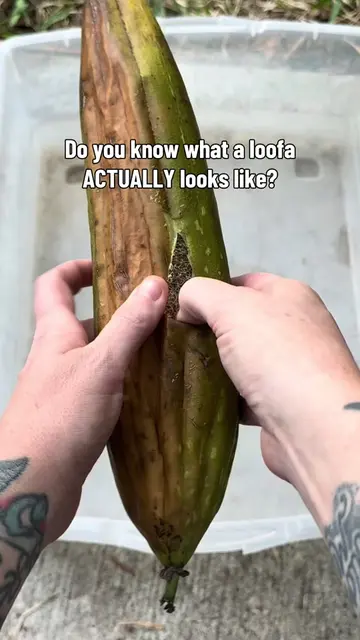
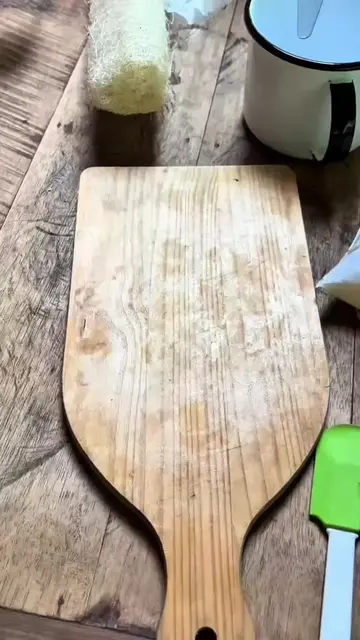
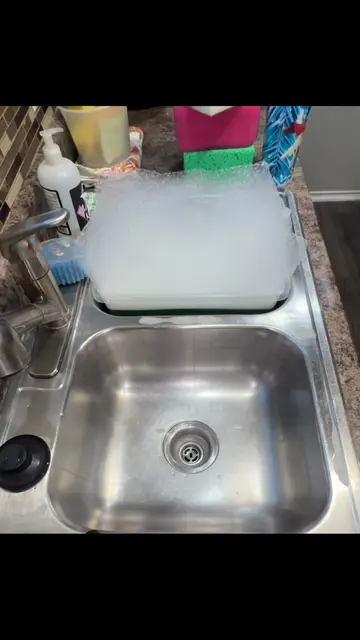
Time to harvest some loofahs. What do you do with them after you've grown them? Come on, I'll show you. To start off with, typically I let mine dry on the vine. When they sound like a maraca, that's when you know they're ready to peel. Now, whenever it comes to peeling these, I do like them to be a little bit drier because I find that they peel a lot easier. To peel, I just kind of break the end off one end. And I do like to do this where if there's seeds that escape, it's either not going to matter or it's going to be where I don't mind them growing again. I also have a bucket to catch all the extra seeds. Now, I've already harvested and processed two or three other loofahs, so I've already saved all the seeds that I need to for next year. So these seeds, I'll probably just throw them out, like I said, somewhere where I don't mind them growing. To peel, you just break this husk off, the outer shell, whatever you want to call it, and it usually peels off pretty easy. It's packed full of a bunch of seeds. All these little black things are seeds. You're just going to beat them out. And then they shake right out. Sometimes you have a whole lot, sometimes you don't have that many. Still a few stuck up in there. After you get all the seeds removed, then we're going to go wash it. To do that, I simply bring it into the sink, run me some water, and wash it. Some people find that they can just rinse it with a water hose outside and it works really well for them. I just find using the sink and soaking it and washing it does better for me. Let's get every seed. So what I mean by like cleaning it, I'm not necessarily worried about like these darker spots on the outside. That's just a natural part of the loofah, because we all can't be perfect. What I'm talking about is the insides, the residuals of the dried guts, the internals that have dried up. You want to get all that cleaned out. If not, it's going to kind of give you like a slimy feel. As you're cleaning this and you're soaking it and washing it, you can feel kind of the sliminess and it eventually just going away. And your water is going to gradually get clearer and cleaner. Once your loofah's thoroughly clean, that means clear water. At least for me, that's what it means. Then you're going to set this to the side where it can get plenty of air and then you're going to let it dry back out. So I've got a couple loofahs here that I have already washed, they've fully air-dried, and we're ready to cut them up so that we can actually use them. So what are you going to make out of them? Number one, we're going to make some dish scrubbies. Then I'm probably going to cut a couple up for like some body scrubbers that I'm going to give for Christmas gifts. So the easiest way to cut them is with a serrated knife like a bread knife. I just use my bread knife for it. For like a dish scrubber, I'm going to cut them about 1/2 inch to 2 inches thick. If you're going to do like a body scrubber, you can do a round body scrubber. You want like a flat one, then you're going to want to use the center part of your loofah just because it has the wider, thicker part of it. So for a body exfoliator, I like to do them about the size of my hand. I'm going to do it about 6 inches. Now, you can flatten this down if you want to and sew around that, or you can cut it in half, which is what we're going to do. So like this. You'll then take scissors and trim up the edges. That's all you got to do for loofahs. Bye.