Loading video…
Sound

original sound - mai.k.j
Mai.K.J · Original audio
0:00–:––
Playing this video’s own audio, so you’ll hear the creator over the sound.
We didn’t find a product being promoted in this video. Its hook, format and structure below still show why it took off.
Browse products winning on TikTokThe creator uses a simple, relatable physical prop to visualize an invisible, complex physiological process, making the educational content highly accessible and shareable.
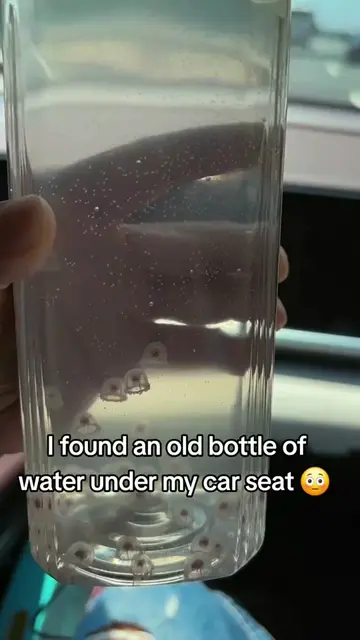
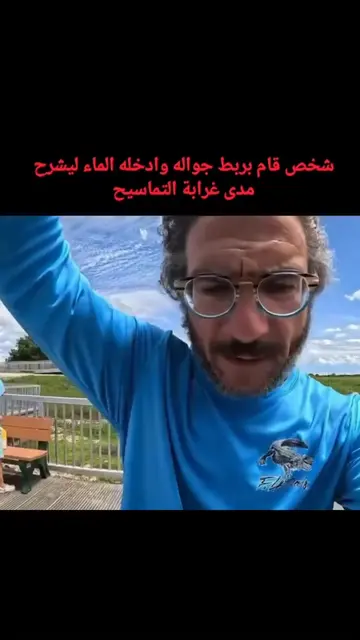
This video uses a plastic bottle as a physical model to demonstrate how water pressure affects the human eardrum during deep-sea diving. It illustrates the importance of ear equalization to prevent eardrum damage.
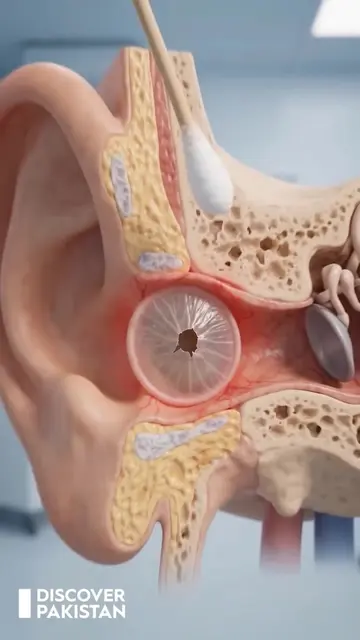
ليش لازم “تعدّل ضغط أذنك” أثناء الغطس؟ كل ما تنزل أعمق تحت الماء، ضغط الماء حولك بزيد، وبالتالي بصير الضغط على الجهة الخارجية من طبلة الأذن أعلى من الضغط داخل الأذن الوسطى. 👂 النتيجة؟ الطبلة بتنشد للداخل، وبتبدأ تحس ضغط، انسداد أو ألم بالأذن. هون لازم نعمل Equalization 👇 عن طريق فتح قناة استاكيوس والسماح بدخول الهواء للأذن الوسطى حتى يتقارب الضغط على جانبي الطبلة. ممكن تعملها بـ: 👃 إغلاق الأنف بلطف والنفخ الخفيف جدًا Valsalva maneuver أو البلع وتحريك الفك. ⚠️ المهم: لا تستنى لحد ما توجعك أذنك. ابدأ معادلة الضغط من بداية النزول وكررها بشكل متقارب، ولا تنفخ بقوة. إذا ما قدرت تعادل الضغط: لا تكمل نزول. اطلع قليلًا وحاول مرة ثانية، لأن الاستمرار رغم الألم ممكن يؤدي إلى Middle-ear barotrauma، وأحيانًا إصابة بالطبلة أو الأذن الداخلية. 💡 وبالصعود؟ الهواء داخل الأذن الوسطى يتمدد مع انخفاض الضغط الخارجي، وغالبًا يخرج تلقائيًا عبر قناة استاكيوس. القاعدة بالغطس: Equalize early, equalize often — and never force it. 🤿👂 #منقولة_للاستفادة #طب #معلومات #fyp #explore
لن تصدق 😨 ماذا يحصل لطبلة اذنك كلما زاد عمق الغطس!
Introduction to the concept of ear pressure while diving
Demonstration of pressure increasing at 2 meters depth
Visualizing the eardrum being pushed inward at 5 meters
Showing the onset of pain at 7 meters without equalization
Simulating eardrum rupture at 10 meters
Playing this video’s own audio, so you’ll hear the creator over the sound.
Promotes 2 products. Create free account to see more.
Outliers and viral hits: their videos on Overshot, all time.