678.0Kviews473×
Posted Oct 19, 2026
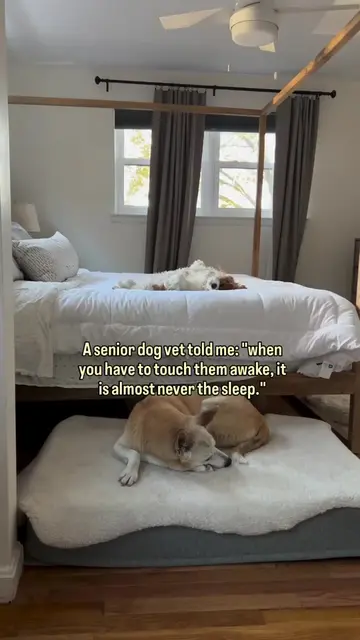
He used to hear your car from inside the house. Not the driveway. The turn onto the street. By the time your key was anywhere near the door he had already done the whole routine, the wag, the shoulder lean, the toy he grabbed on the way. Now you come in, put the bags down, say his name twice, and he sleeps through all of it. High-frequency hearing goes first in old dogs, and it goes quietly. He is not sleeping harder. He is missing the part of the sound that used to wake him, and the rest of the noise never reaches him at all. So you end up touching him awake, and he startles, and for a second he looks at you like he does not know you. That look is awful the first few times. It reads as him getting old in his head. Confused. Slipping. It is worth saying out loud at the next visit, because hearing loss and cognitive change look identical from the outside and are treated completely differently. Ask them to check his ears while he is there. Old ears fill up with wax and infection more than anyone tells you, and some of what looks permanent is not. But sit with the other half of it. He is the same dog who used to track your car three streets away. He still wants to know the second you are home. He just cannot be the first to know anymore. So change how you arrive. Stamp on the floor coming in so he feels it before he hears it. Wake him with a hand on his chest where he can feel your weight, not a hand out of nowhere. Give him a second to find your face. He spent ten years waiting at the door for you. He is still waiting. He just cannot hear you coming. Follow for the hearing changes in old dogs that get mistaken for stubbornness and dementia every single day.