Loading video…
All breakouts
47.2Text-HeavyWarning hookB2B
Hook
After forming a trust, this is where most people go wrong.
@thereellawyer1
36.4K followers · usually 2.4K views a post
Views
112.9K
Likes
12.5K
Comments
1.1K
Shares
4.2K
Promoted product
Secure Your Legacy Mastermindhttps://secureyourlegacyclass.com/secure-your-legacy-mastermind ↗
Why it worked
The video provides high-value, actionable educational content that solves a specific, complex pain point, building authority before transitioning into a low-friction lead generation CTA.
Summary
The creator explains the importance of funding a trust by listing specific methods for different asset types like real estate, businesses, and bank accounts. She concludes by inviting viewers to comment a specific keyword to learn more about her masterclass.
Structure
- 1Identify the problem of unfunded trusts
- 2Explain how to transfer real estate and LLCs
- 3Detail beneficiary designations for bank accounts and insurance
- 4Explain transferring personal property
- 5Call to action for the masterclass
Product placement
The creator promotes her 'Secure Your Legacy Mastermind' course by using the keyword 'class' as a CTA.
Call to action
comment the word class
Original caption
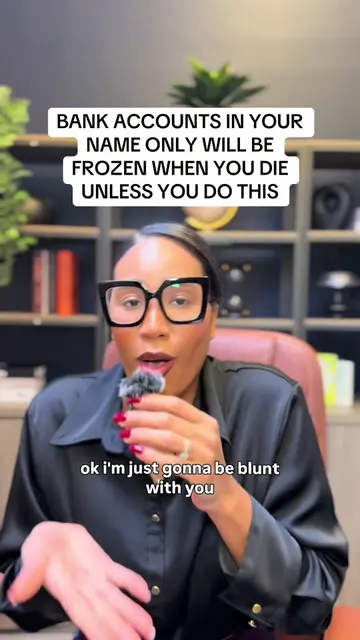
NO ASSETS, NO TRUST 🗣️🗣️🗣️ For a trust to be valid and effective, it must be properly funded with assets. There may be additional paperwork involved in these steps, so it’s important to consult with a professional (aka an attorney) Don’t attempt to handle it on your own based on a 1 minute video! This information is general, and your specific circumstances or state laws may vary. A note to mention about bank accounts: Some banks and credit unions may not allow you to retitle accounts. So without having to open up a new account, you can make your account Payable on Death (POD) to your Trust. This way, when you pass away, your account won’t go through probate and will be distributed according to your Trust. However, this doesn’t let your Trustee manage the account if you become incapacitated (because you’re still alive duh!) POD is only effective upon death, so you’ll still need a Power of Attorney for someone to handle your affairs during your lifetime.
More from @thereellawyer1
More breakout videos from this creator.