Loading video…
All breakouts
29.2Talking HeadPOV / Skit hookB2B
Hook
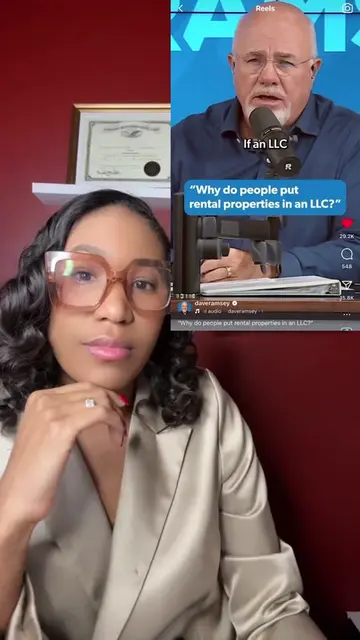
When people ask me should I set up a holding company or a trust
@thereellawyer1
36.4K followers · usually 2.4K views a post
Views
68.5K
Likes
5.3K
Comments
78
Shares
2.7K
Promoted product
Secure Your Legacy Mastermindhttps://secureyourlegacyclass.com/secure-your-legacy-mastermind ↗
Why it worked
The video provides high-value, complex legal information in a clear, visual format, establishing the creator's authority and creating a natural bridge to her professional services.
Summary
The creator explains the differences between a holding company and a trust, highlighting their distinct roles in asset management, protection, and privacy. She concludes by illustrating how these entities can be structured together for optimal business and estate planning.
Structure
- 1Introduction to the holding company vs. trust debate
- 2Comparison of primary roles and ownership structures
- 3Analysis of asset protection and contract management
- 4Breakdown of income sources and termination timelines
- 5Explanation of privacy benefits and optimal structural hierarchy
Product placement
The creator is an attorney providing educational content that serves as a soft sell for her legal mastermind course, linked in her bio.
Original caption
Holding company vs trust - if you have 1, you need the other #attorneysoftiktok #attorney #lawyersoftiktok #lawfirmowner #assetprotection
More from @thereellawyer1
More breakout videos from this creator.