Loading video…
All breakouts
5.8Silent UGCStory Open hookEducation
Hook
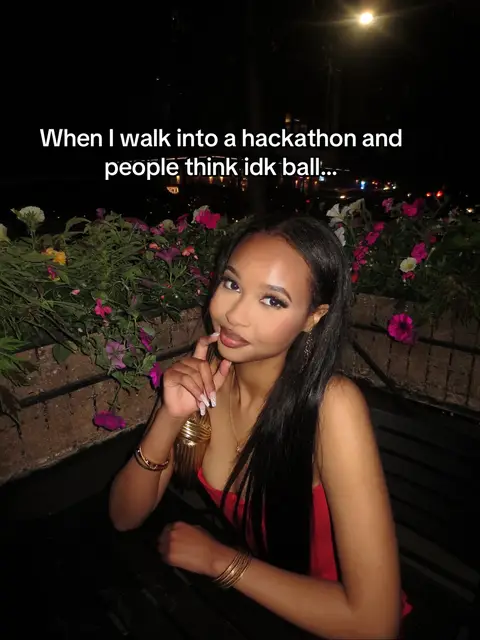
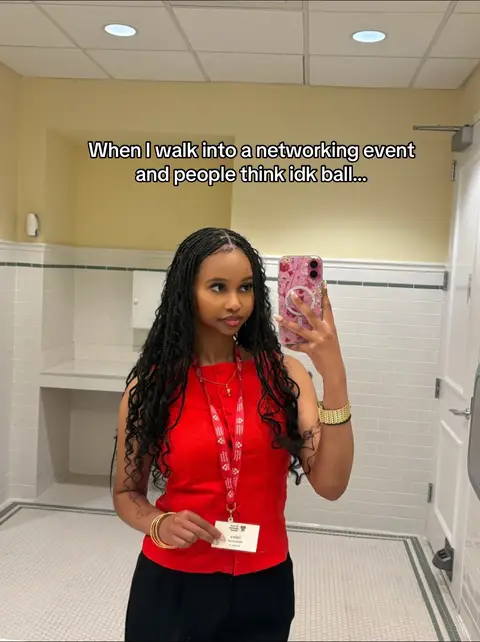
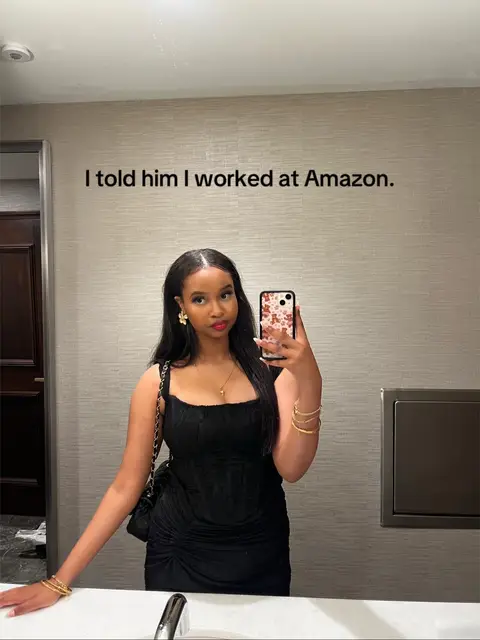
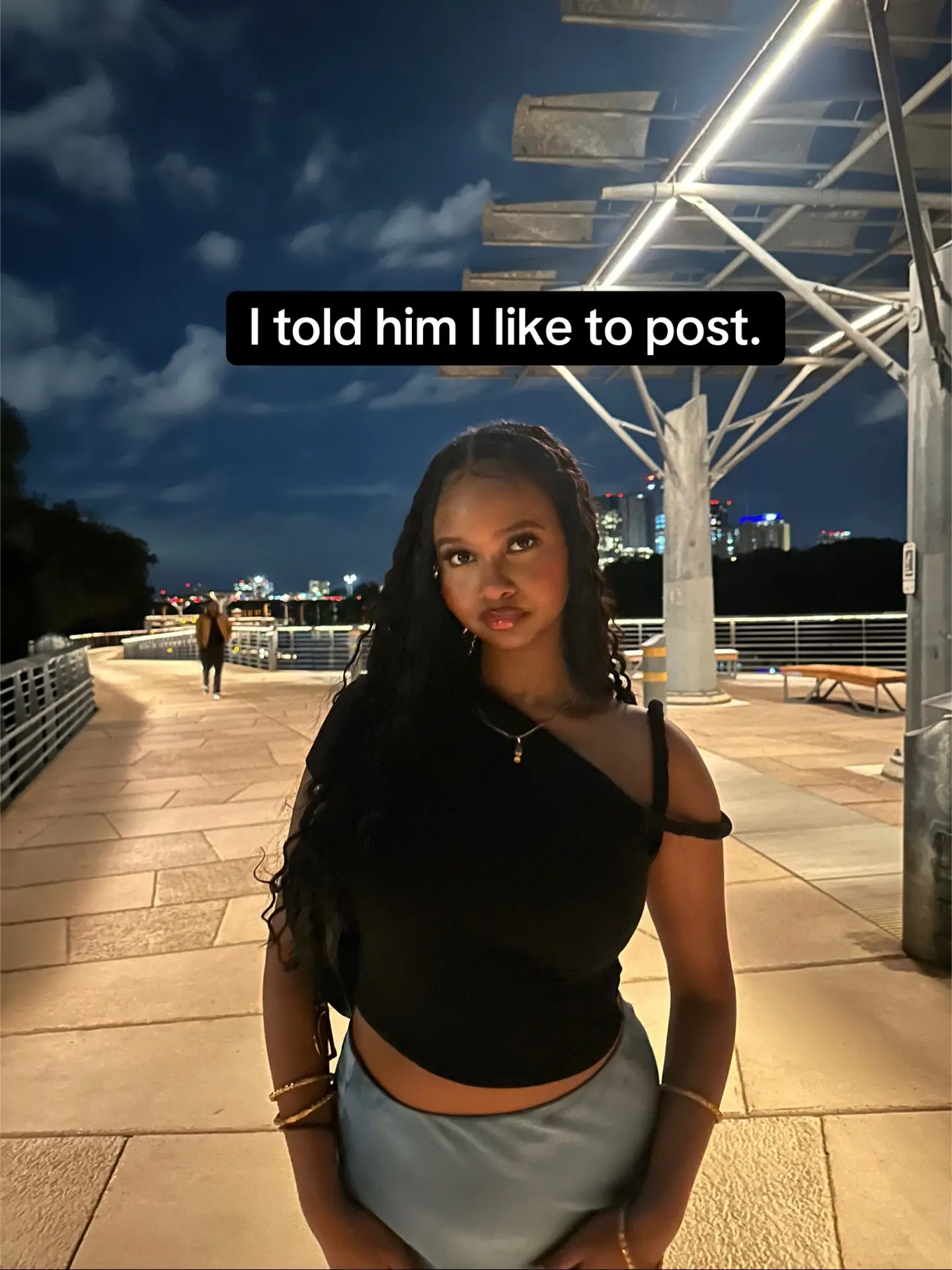
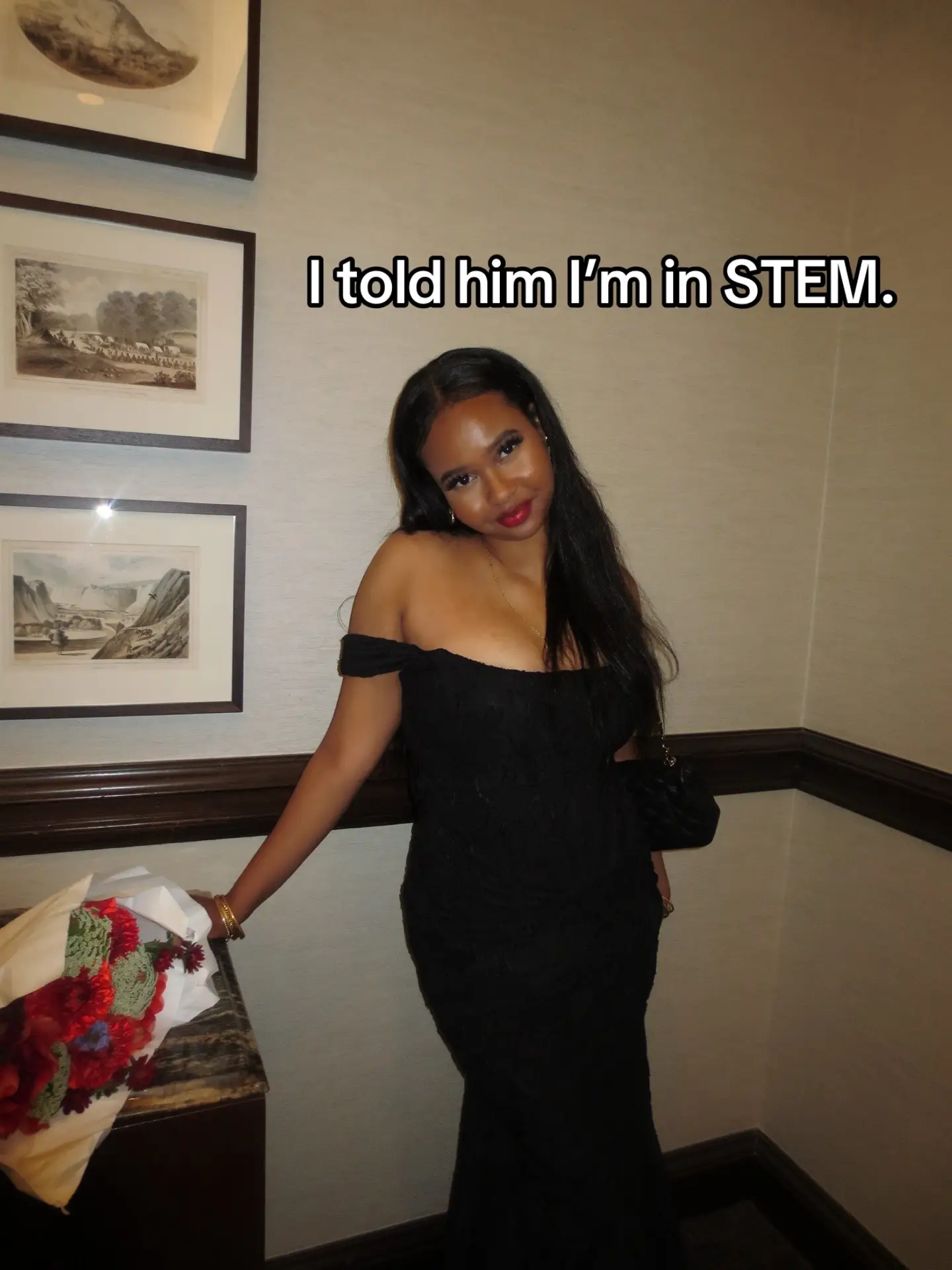
I told him I'm in STEM.
@coconutsummer69
4.9K followers · usually 3.0K views a post
Views
18.9K
Likes
885
Comments
20
Shares
50
Promoted product
Why it worked
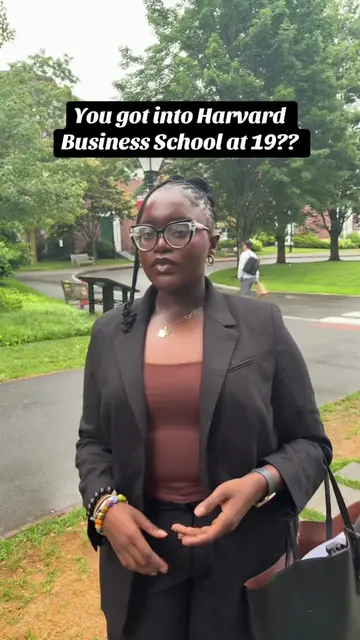
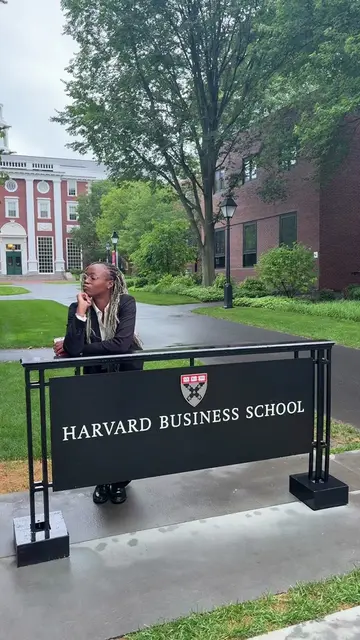
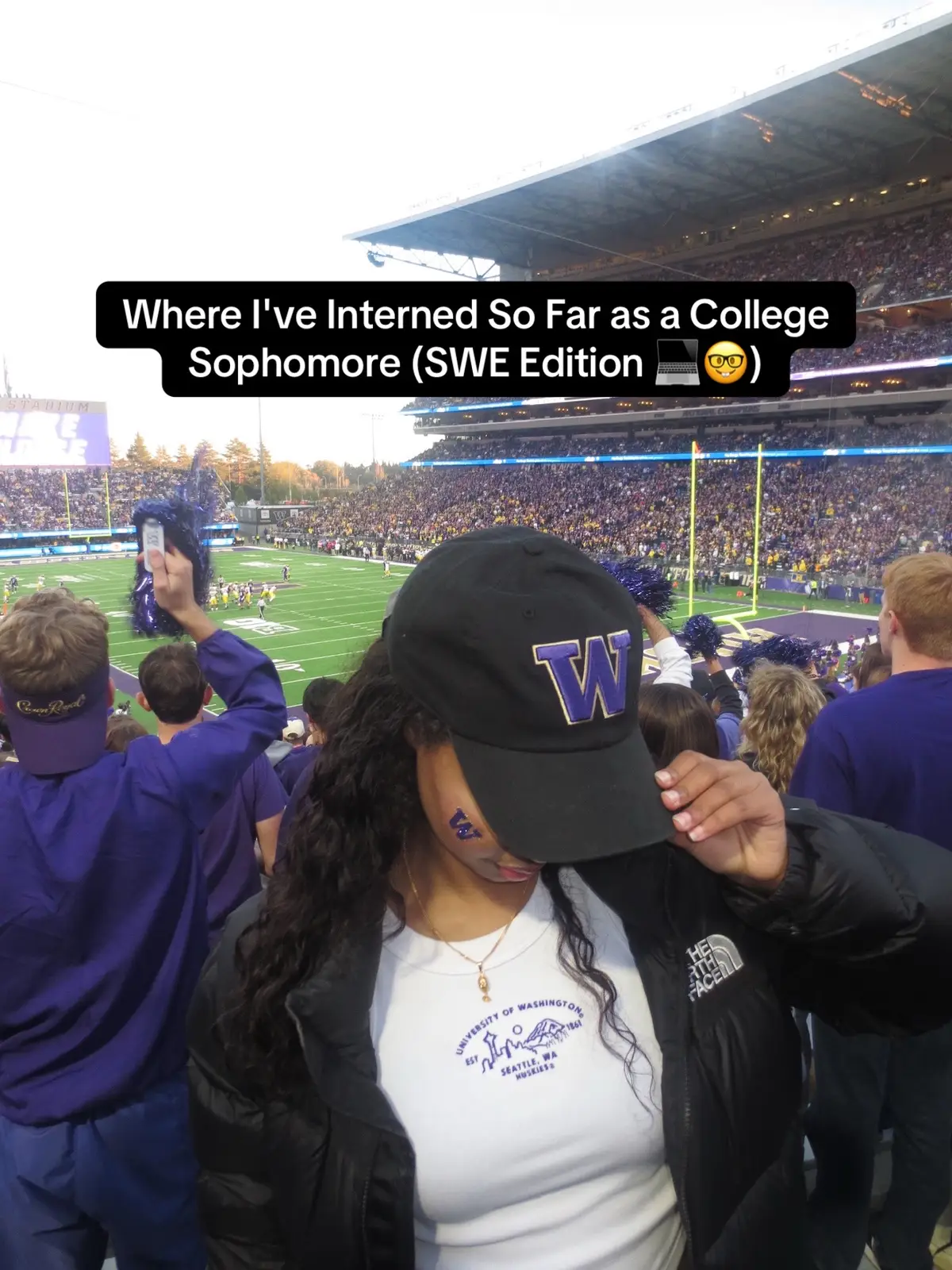
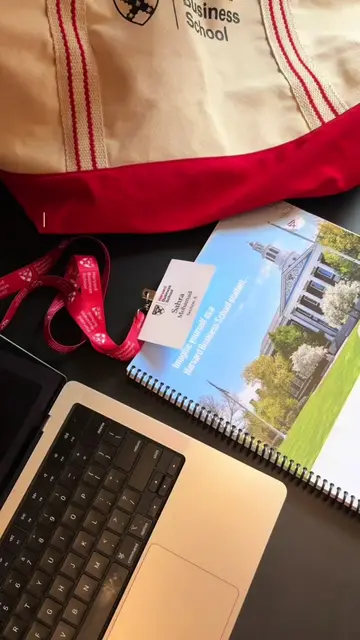
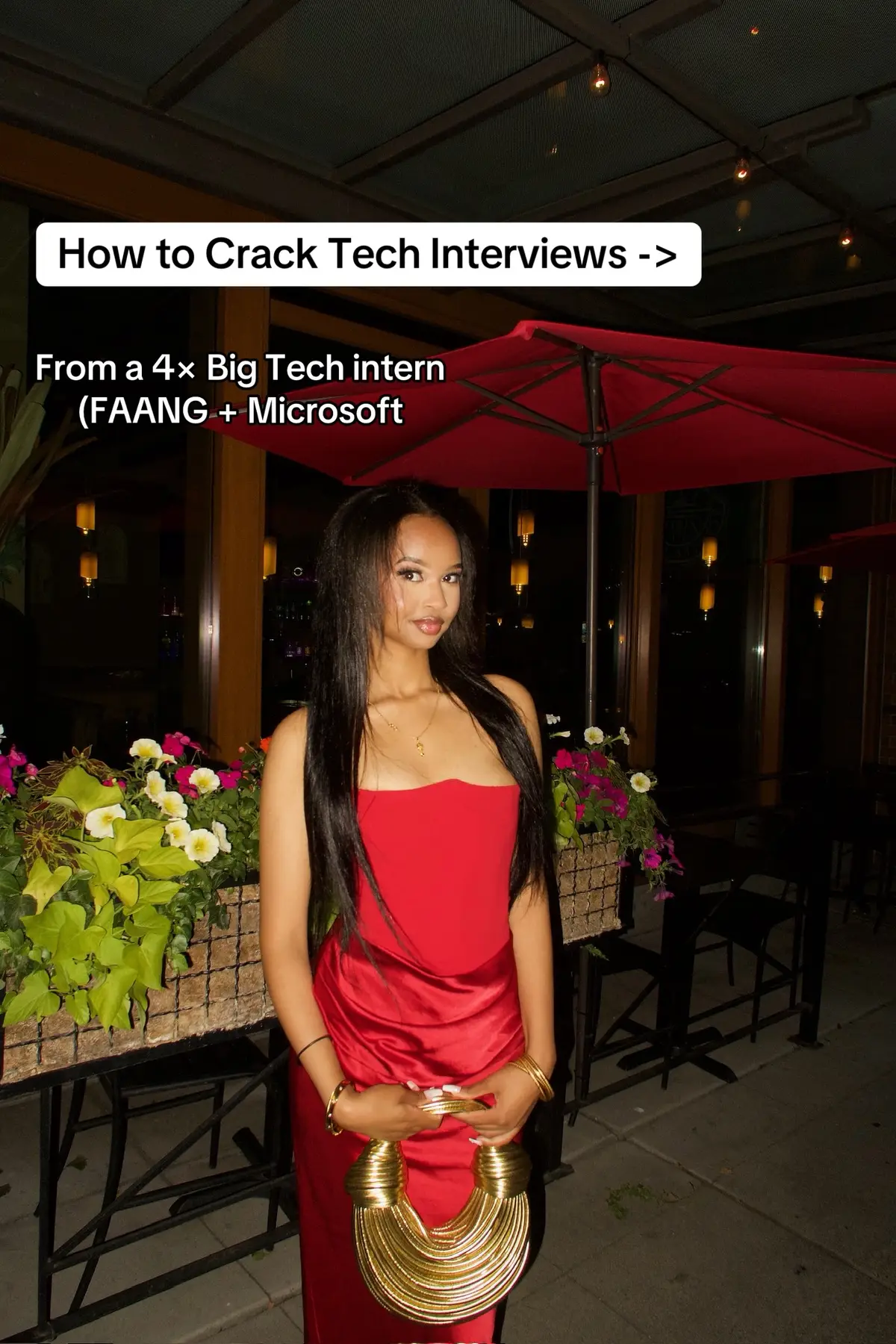
The post uses relatable humor and common stereotypes about STEM fields to create an engaging narrative. By showcasing experiences at prestigious tech events and universities, it appeals to a niche audience interested in women in tech and hackathon culture.
Summary
The creator shares a humorous anecdote about being in STEM, contrasting common assumptions with the reality of their field. The post highlights experiences at hackathons and university, implying a broader narrative about women in technology.
Structure
- 1Introduces the premise: telling someone she's in STEM.
- 2Contrasts the assumption with the reality of her field.
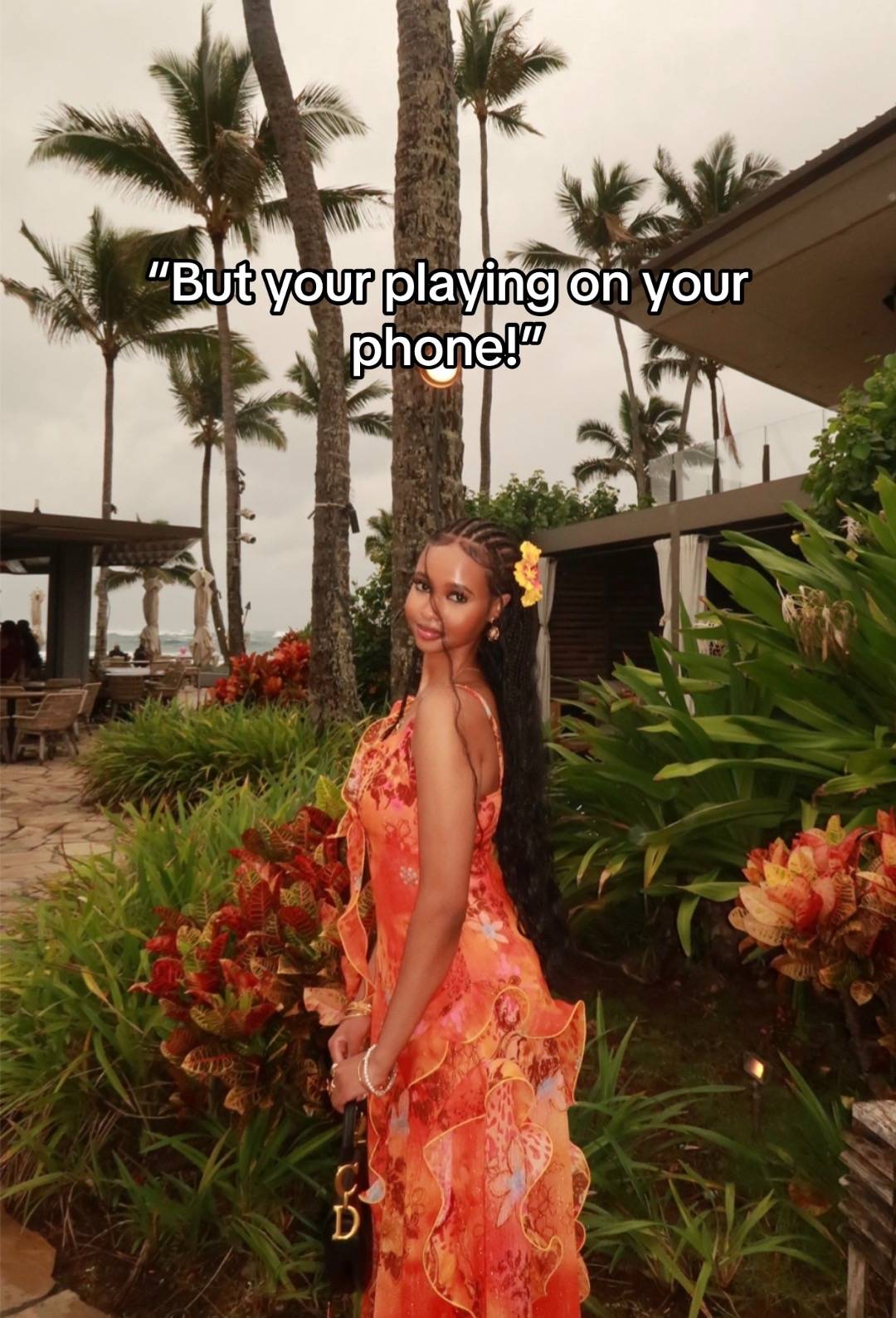
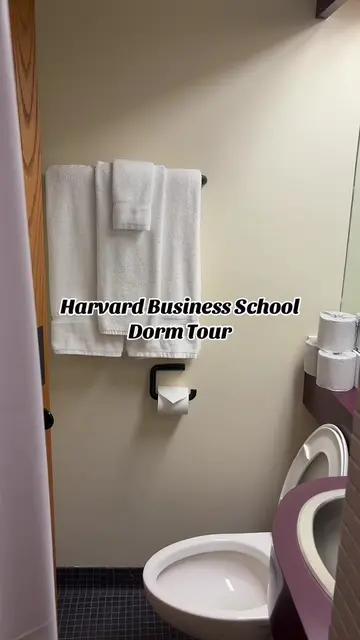
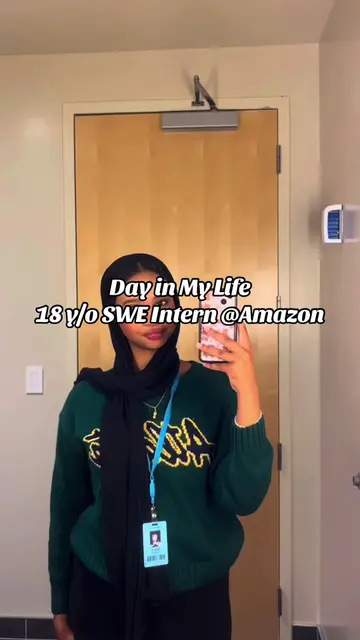
- 3Shows scenes from hackathons and university life.
- 4Uses hashtags to categorize her experiences and identity.
Product placement
The creator's identity as a woman in STEM is the central theme, with specific mentions of hackathons (hackMIT) and university affiliations (Penn Engineering, Stanford). The post implicitly promotes the creator's personal brand and experiences within the tech community.
On-screen text
I told him I'm in STEM.
He said, "Psychology or nursing?"
#holyfknairball
hackMIT
airball
Original caption
love my psych & nursing girlies sm tho <3 #upenn #womenintech #blacktech #csmajor #sweintern #hackathonlife #techgirlie #stemgirlie #techqueen #codergirl #girlswhocode #STEMTok #cstechtok #bigtechenergy #hackMIT #treehacks #pennapps #somalisintech #firstgen #sahraspam #itoldhim #faang #hacakthons #underclassman#somaliexcellence #holyfknairball #airball #amazonintern #internshipseason #collegeintech #techtoker #techtoktip #techtok #linkedininfluencer #techtok #girliesinstem #swe #somali #secertaccount #girlsinengineering #seattle#somalitiktok #habeshatiktok #hackathonwins #hackathon #stanforduniversity #massachusettsinstituteoftechnology
More from @coconutsummer69
More breakout videos from this creator.