Loading video…
Sound

original sound - processglowupwithjen
Jen · Original audio
0:00–:––
Playing this video’s own audio, so you’ll hear the creator over the sound.
Hook
Posted Sep 5, 2025Video · 3:24by @processglowupwithjen
We didn’t find a product being promoted in this video. Its hook, format and structure below still show why it took off.
Browse products winning on TikTokThe video provides high-value, actionable career advice for a specific professional niche, establishing the creator's authority while remaining relatable and encouraging.
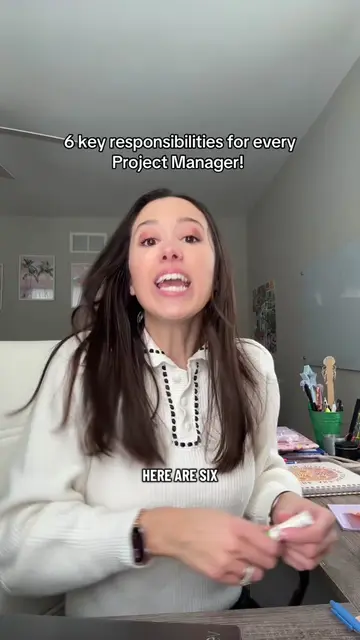
The creator provides professional advice for new project managers, focusing on the importance of organization, risk management, and clear communication. She encourages new managers to leverage their status to ask clarifying questions and build self-confidence in their leadership role.
I absolutely love talking about all things project management and helping those out there that may be new to this role! Here’s my advice for somebody just starting out in the project management world. Make sure you stay till the end because I bring this back to YOU personally as a growth and development opportunity! As always, let me know in the comments if you have any questions or if you have a scenario that you’re struggling with!
Here's some advice for my new project managers out there.
Introduction to the role of a project manager
Importance of staying organized with a project plan
How to manage risks and issues
Identifying and logging blockers or bottlenecks
Leveraging the 'new card' to ask clarifying questions
Building self-confidence as a leader
Playing this video’s own audio, so you’ll hear the creator over the sound.
Outliers and viral hits: their videos on Overshot, all time.