Loading video…
All breakouts
32.3Talking HeadHow-To hookEducation
Hook
This is how you trap in SQL
@arrionknight
56.6K followers · usually 17.8K views a post
Views
538.0K
Likes
69.7K
Comments
1.2K
Shares
18.2K
Why it worked
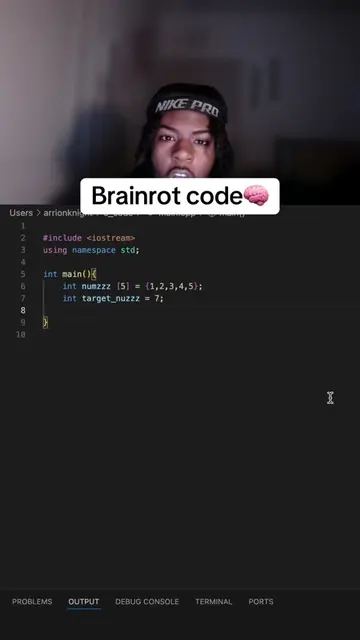
The creator successfully gamified a dry technical topic by framing it within a relatable, high-energy subculture narrative, making complex SQL concepts accessible and entertaining.
Summary
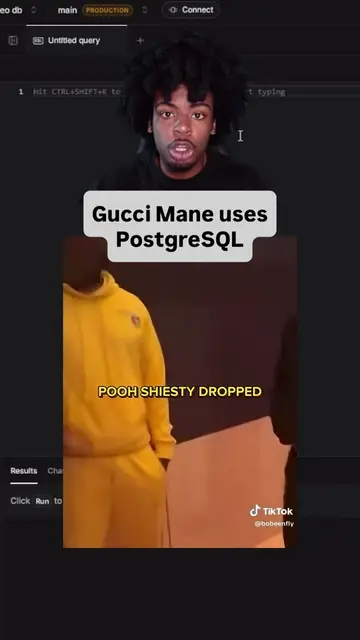
The creator uses a humorous 'trap house' analogy to explain how to perform a SQL left join to identify customers who visited but did not make a purchase. He walks through the database tables and the specific SQL query required to filter for these users.
Structure
- 1Introduce the SQL problem using a trap house analogy
- 2Define the visits and transactions tables
- 3Explain the logic of a left join
- 4Write the SQL query to join the tables
- 5Filter for null transaction IDs to identify potential feds
- 6Review the final query results
On-screen text
YN Coding TRAPPING 🏚️
Visits
Transactions
Input
Output
Error: Empty SQL command.
Transcript
Original caption
Trapping in SQL🏚️ #hoodcoding #python #coding
More from @arrionknight
More breakout videos from this creator.