Loading video…
All breakouts

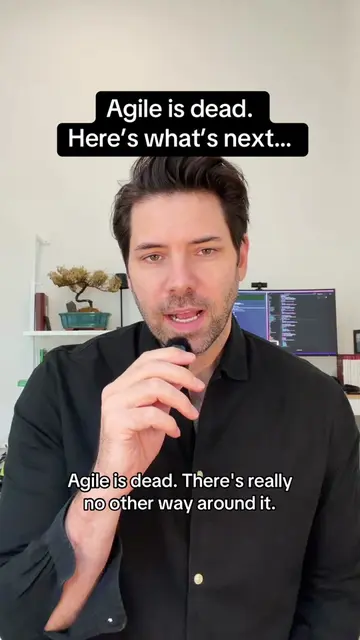
5.8Talking HeadHow-To hook
Hook
How to use Claude Code in GODMODE
@zerotopete
16.2K followers · usually 3.6K views a post
Views
20.2K
Likes
1.6K
Comments
26
Shares
152
Why it worked
The video leverages the creator's authority and provides valuable, actionable tips for a popular AI tool, Claude Code. By referencing the creator of the tool and sharing specific, advanced techniques, it appeals to a niche audience interested in productivity and AI-assisted development. The promise of more detailed information on a free platform (Substack) also serves as a strong incentive for engagement.
Summary
The creator discusses three advanced tips for using Claude Code, a tool that leverages AI for coding. He highlights running parallel Claude sessions, using post hooks for automatic code formatting, and updating Claude's knowledge base during PR reviews to improve its accuracy over time. The creator mentions that more detailed explanations are available on his free Substack.
Structure
- 1Introduction to Claude Code tips
- 2Recap of previously covered tips
- 3Tip 1: Parallel browsers and local Claude (Beast Mode)
- 4Tip 2: Using post hooks for formatting
- 5
Original caption
Free Substack going up at 8pm EST tonight #claude #claudecode #ai #entrepreneurship #founder
More from @zerotopete
Their other posts in the index, biggest breakout first.