Loading video…
Sound

original sound - kevin_golden88
Kevin Golden · Original audio
0:00–:––
Playing this video’s own audio, so you’ll hear the creator over the sound.
Hook
Posted Apr 13, 2026Video · 2:09by @kevin_golden88
We didn’t find a product being promoted in this video. Its hook, format and structure below still show why it took off.
Browse products winning on TikTokThe video uses high-quality, satisfying 3D animations to explain complex engineering concepts, which naturally encourages high watch time and completion rates.
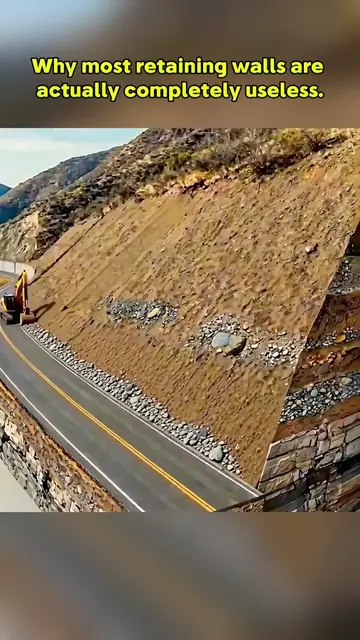
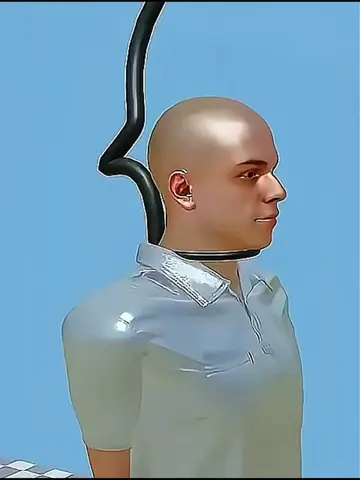
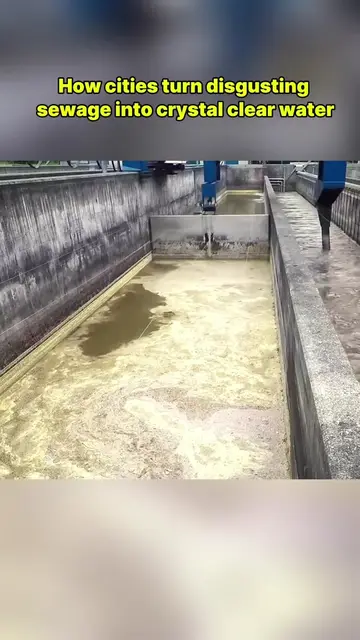
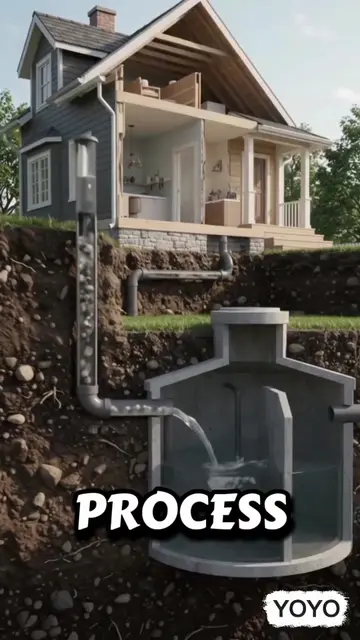
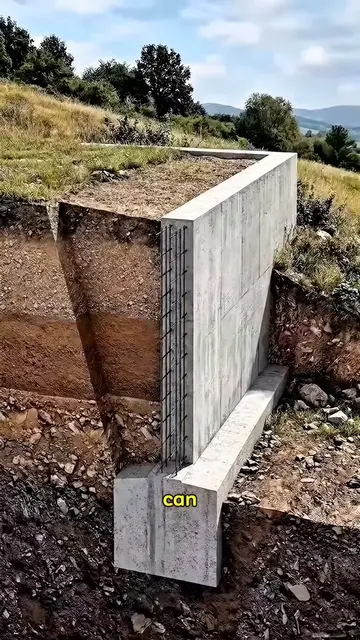
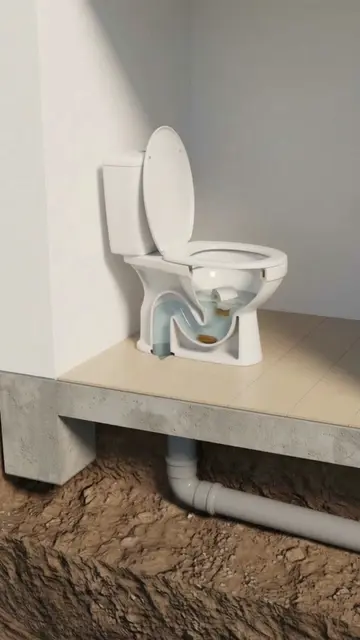
This video uses 3D animation to explain the engineering process of building a villa on a steep cliff and the scientific operation of a two-chamber septic tank. It contrasts the structural stability of cliffside construction with the environmental dangers of improperly installed septic systems.
How do you build a villa on the edge of a steep cliff? #Science #knowledge #fypツ
How do you build a villa on the edge of a steep cliff?
Introduction to cliffside villa construction
Step-by-step structural engineering process
Transition to the dangers of improper septic tanks
Explanation of how a two-chamber septic tank works
Playing this video’s own audio, so you’ll hear the creator over the sound.
Outliers and viral hits: their videos on Overshot, all time.