Loading video…
The creator

@legal_alternativo
Alternativo•Marcas y Negocios · 21.5K followers · 147.0K likes
Usual views
2.2K
Outliers
14
Viral hits
0
Outliers and viral hits: their videos on Overshot, all time.
Hook
Posted Apr 15, 2026Video · 2:50by @legal_alternativo
We didn’t find a product being promoted in this video. Its hook, format and structure below still show why it took off.
Browse products winning on TikTokThe video addresses a common and critical pain point for businesses: how to legally and safely suspend services for non-paying clients without incurring legal repercussions. By providing practical, actionable advice on contract clauses and legal principles, it offers significant value to its target audience of founders and business owners, making it highly shareable and engaging.
This video explains how to legally disconnect a client from a service without facing lawsuits. It emphasizes the importance of having specific clauses in contracts, such as suspension for non-payment, termination for breach of terms, and clear procedures for handling user data and notifications when third-party users are involved. The speaker highlights that in Mexico, contracts only bind the parties who sign them, and a crucial protective measure is to have terms and conditions that clearly define the relationship between the service provider, the client, and the end-users.
🔌 ¿Cortar el servicio es un derecho o un autogol legal? ⚽⚖️ Muchos fundadores creen que si el cliente no paga, la solución es simple: bajar el switch. Pero en el mundo del software, ese botón puede activar una demanda por daños a la operación que no viste venir y que podrías terminar pagando tú. En este 2026, la legalidad de una suspensión no depende de tu enojo, depende de la arquitectura de tu contrato. Aquí te dejo las 3 capas de blindaje que necesitas para actuar sin exposición: 1. La Cláusula de Suspensión y Terminación 📜 No basta con que el cliente no pague. Necesitas que la falta de pago y las violaciones de uso (como compartir accesos) estén tipificadas como causales de suspensión inmediata en tu contrato. Sin esto, el cliente puede argumentar que tú incumpliste primero al interrumpir su servicio. 2. El Blindaje frente a Terceros (Usuarios Finales) 👥 Si tu cliente usa tu software para atender a sus propios usuarios, bajar el switch los afecta a ellos también. Aviso previo: Es vital para que el cliente notifique a su gente. T&C Claros: Tus términos deben establecer que tú eres el proveedor de tecnología y que el usuario final tiene contrato con tu cliente, no contigo (aplicando el Principio de Relatividad de los Contratos). 3. La Capa Maestra: Cláusula de Indemnización 🛡️ Esta es la que casi nadie tiene: una cláusula donde el cliente se obliga a defenderte y sacarte en paz si uno de sus usuarios te demanda por una interrupción que fue responsabilidad del cliente (por no pagar o violar el contrato). "El momento de resolver un conflicto es antes de que ocurra, escribiendo las reglas del juego cuando todos están de buenas." ¿Ya tienes estas tres capas en tu contrato de licencia o estás jugando en campo minado? Cuéntame en los comentarios si alguna vez has tenido miedo de "bajar el switch". Te leo. 👇
Outliers and viral hits: their videos on Overshot, all time.
¿Cómo le bajas el switch a un cliente sin meterte en problemas legales?
Introduction to the problem of disconnecting clients legally
When direct suspension is permissible (non-payment, breach of contract)
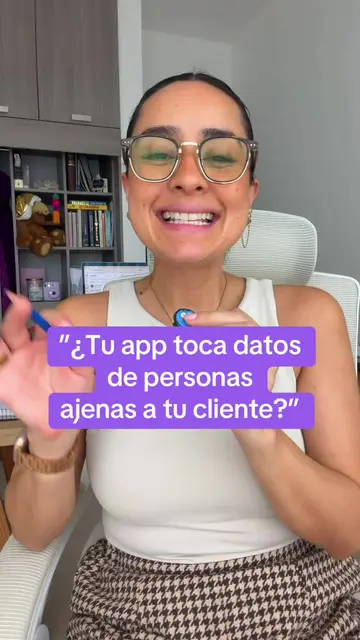
The trap of affecting third-party users
Three essential contractual layers for protection
The importance of clear terms for end-users and indemnification clauses
The video discusses legal aspects of software contracts and service suspension, implying the use of a SaaS product or service. No specific product is named or demonstrated.
Cuéntame, tú ya tienes contrato de licencia, te leo. Adiós.

Playing this video’s own audio, so you’ll hear the creator over the sound.