Loading video…
All breakouts

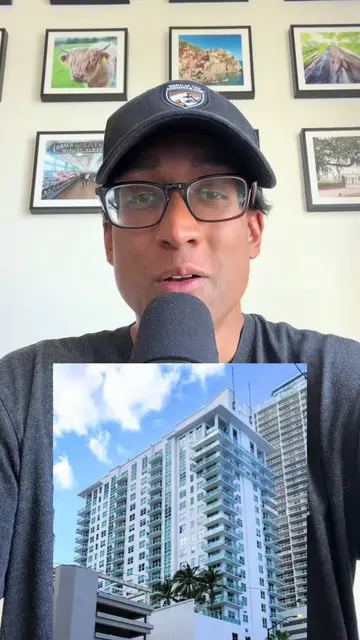
21.6Talking HeadCuriosity Gap hook
Hook
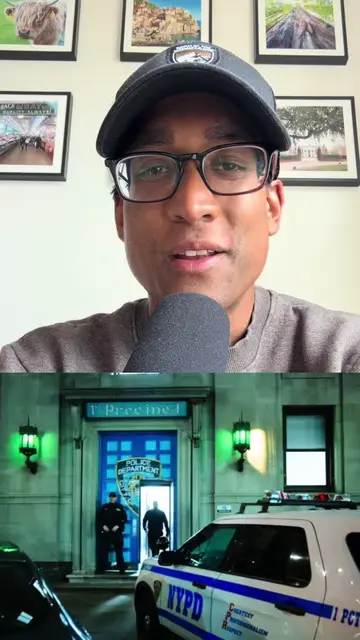
This is how cutthroat Wall Street is.
@investmenttakes
100.6K followers · usually 48.8K views a post
Views
853.2K
Likes
44.6K
Comments
794
Shares
4.5K
Why it worked
The video uses a high-stakes, dramatic financial narrative (a 'short squeeze') that is easy to follow, combined with clear, punchy on-screen text that reinforces the key points, making complex market dynamics accessible to a general audience.
Summary
The video explains the mechanics of a short squeeze involving Avis stock, where two hedge funds effectively control more than 100% of the available shares. It details how this situation traps short sellers, forcing them to buy back shares at inflated prices, and compares it to the GameStop short squeeze.
Structure
- 1Introduction to the Avis short squeeze
- 2Explanation of how short selling works
- 3The role of SRS and Pentwater hedge funds
- 4Why ownership can exceed 100%
- 5The current standoff between funds and short sellers
Call to action
Let me know in the comments and follow for more investing insights.
On-screen text
THIS IS HOW CUTTHROAT WALL STREET IS
BOUGHT OVER 100% OF A COMPANY'S STOCK
NOW EVERY SHORT SELLER ON THE OTHER SIDE OF THE TRADE IS TRAPPED
SO THERE'S THIS CAR RENTAL COMPANY CALLED AVIS
YOU PROBABLY HEARD OF THEM
YOU MIGHT HAVE EVEN RENTED FROM THEM
THE THING IS AVIS ISN'T IN GREAT SHAPE
IT'S A FUNCTIONING COMPANY SURE BUT SALES HAVE BEEN DECLINING
IT'S LOSING MONEY AND IT'S SITTING ON $28 BILLION OF DEBT
ON PAPER THIS LOOKED LIKE A TERRIBLE COMPANY TO INVEST IN AND A GREAT COMPANY TO BET AGAINST
SO SHORT SELLERS STARTED PILING IN
THESE ARE PEOPLE WHO BORROW SHARES AND SELL THEM IN HOPES THAT THEY CAN BUY THEM BACK AT A CHEAPER PRICE
THEY MAKE MONEY WHEN THE STOCK GOES DOWN
BY MID-MARCH ABOUT HALF OF ALL TRADABLE AVIS SHARES WERE SOLD SHORT
AN ENORMOUS AMOUNT
BUT THERE WAS ONE THING THE SHORT SELLERS DIDN'T PAY ENOUGH ATTENTION TO
A HEDGE FUND CALLED SRS INVESTMENT MANAGEMENT
RUN BY A GUY NAMED KARTHIK SARMA
HAD BEEN SITTING ON AROUND HALF OF ALL AVIS SHARES FOR YEARS
SARMA IS ON THE COMPANY'S BOARD AND HE'S A TRUE BELIEVER IN THE STOCK
HIS FUND WASN'T SELLING
THEN IN MARCH ANOTHER HEDGE FUND WALKED IN
PENTWATER CAPITAL MANAGEMENT
LOOKED AT THIS SITUATION AND SAW A MASSIVE OPPORTUNITY TO SQUEEZE THE SHORT SELLERS
ONE FUND ALREADY OWNED HALF THE COMPANY AND THE NUMBER OF SHARES SOLD SHORT WAS THROUGH THE ROOF
IF SOMEONE CAME IN AND BOUGHT A MASSIVE CHUNK OF WHAT WAS LEFT THE SHORTS WOULD BE TOAST
SO THAT'S EXACTLY WHAT PENTWATER DID
THEY STARTED BUYING AGGRESSIVELY AND BY THE END OF MARCH PENTWATER CONTROLLED ALMOST HALF OF THE COMPANY
NOW THIS IS WHERE THE MATH GETS ABSURD
BETWEEN SRS AND PENTWATER WHEN YOU ADD UP THE SHARES THEY OWN DIRECTLY AND THE ADDITIONAL EXPOSURE THEY HAVE THROUGH CONTRACTS WITH BANKS
THEY CONTROL ABOUT 108% OF AVIS STOCK
108% AS IN 108%
AS IN MORE THAN ALL OF IT
NOW YOU MIGHT BE WONDERING HOW ANYONE CAN OWN MORE THAN 100% OF SOMETHING
WELL IT'S BECAUSE OF THE SHORT SELLERS THEMSELVES
YOU SEE WHEN YOU SHORT A STOCK YOU BORROW A SHARE FROM SOMEONE WHO OWNS IT AND SELL IT TO SOMEONE ELSE
AFTER THAT TWO PEOPLE EFFECTIVELY OWN THE SAME SHARE
THE ORIGINAL BUYER WHO LENT IT OUT AND THE NEW BUYER WHO BOUGHT IT FROM YOU
THAT'S HOW TOTAL OWNERSHIP CAN EXCEED 100%
NOW SRS AND PENTWATER DON'T LITERALLY OWN EVERY SHARE
OTHER INVESTORS LIKE INDEX FUNDS AND INDIVIDUAL TRADERS OWN SOME TOO
BUT THEY OWN SO MUCH THAT THE SUPPLY OF AVAILABLE SHARES HAS BECOME EXTREMELY TIGHT
AND HERE'S WHY THAT'S A NIGHTMARE SCENARIO FOR THE SHORT SELLERS
REMEMBER THEY BORROWED SHARES AND EVENTUALLY HAVE TO RETURN THEM
THE ONLY WAY TO RETURN THEM IS TO GO INTO THE MARKET AND BUY SHARES
BUT IF TWO FUNDS CONTROL THE VAST MAJORITY OF AVAILABLE STOCK THE SHORTS ARE ESSENTIALLY FORCED TO BUY FROM THEM
AND THEY CAN CHARGE EXTREMELY HIGH PRICES FOR THOSE SHARES
SO THAT'S EXACTLY WHAT'S HAPPENING
THE STOCK WENT FROM AROUND $100 TO ALMOST $600 IN A MONTH
SHORT SELLERS HAVE RACKED UP BILLIONS OF DOLLARS IN LOSSES
AND HERE'S WHAT'S WILD THEY'RE NOT GIVING UP
THE SHORT SELLERS ARE ACTUALLY DOUBLING DOWN
NOW 58% OF ALL SHARES ARE SHORT WHICH IS EVEN HIGHER THAN WHAT IT WAS BEFORE THE SQUEEZE BEGAN
NOW THESE MIGHT NOT BE THE SAME SHORTS THAT GOT CRUSHED ON THE WAY UP
IT'S PROBABLY NEW SHORT SELLERS WHO THINK THAT AVIS AT $500 OR $600 PER SHARE HAS TO COME BACK DOWN TO EARTH EVENTUALLY
AND BASED ON THE FUNDAMENTALS THEY'RE PROBABLY RIGHT
AVIS AT FIVE OR SIX HUNDRED DOLLARS PER SHARE IS COMPLETELY DISCONNECTED FROM THE UNDERLYING BUSINESS
SO THE SHORT SELLERS ARE BASICALLY BETTING THAT THIS CAN'T LAST FOREVER
THEY MIGHT BE THINKING SRS AND PENTWATER ARE PROFESSIONAL MONEY MANAGERS
AT SOME POINT IT MAKES SENSE FOR THEM TO SELL AND LOCK IN THEIR ENORMOUS PROFITS
ON TOP OF THAT AVIS THE COMPANY ITSELF COULD ISSUE NEW SHARES AT ANY TIME TO CASH IN ON THE INFLATED PRICE
EITHER OF THOSE THINGS WOULD RELEASE SUPPLY BACK INTO THE MARKET AND THE STOCK WOULD CRASH
BUT OF COURSE THE CLASSIC PROBLEM WITH THAT LOGIC IS THAT THE MARKET CAN STAY IRRATIONAL LONGER THAN THE SHORTS CAN STAY SOLVENT
IT'S KIND OF LIKE THE GAMESTOP SITUATION FROM A FEW YEARS AGO
ONLY DIFFERENCE IS THAT WAS A BAND OF INDIVIDUAL INVESTORS ON REDDIT GOING UP AGAINST HEDGE FUNDS
WHILE THIS IS A CASE OF TWO HEDGE FUNDS CRUSHING OTHER HEDGE FUNDS
SO WE'LL SEE WHAT HAPPENS
RIGHT NOW IT'S A STANDOFF
THE TWO HEDGE FUNDS OWN OVER 100% OF AVIS'S STOCK AND SHORT SELLERS ARE DOUBLING DOWN AGAINST THEM
WILL SRS PENTWATER OR AVIS START SELLING AND END THE SQUEEZE
OR WILL THE SHORT SELLERS GET CRUSHED EVEN FURTHER
WHAT DO YOU GUYS THINK'S GONNA HAPPEN
LET ME KNOW IN THE COMMENTS AND FOLLOW FOR MORE INVESTING INSIGHTS
Original caption
Two hedge funds own 108% of Avis stock. The short sellers are trapped #stocks #avis #investing #TikTokLearningCampaign #LearnOnTikTok
More from @investmenttakes
Their other posts in the index, biggest breakout first.