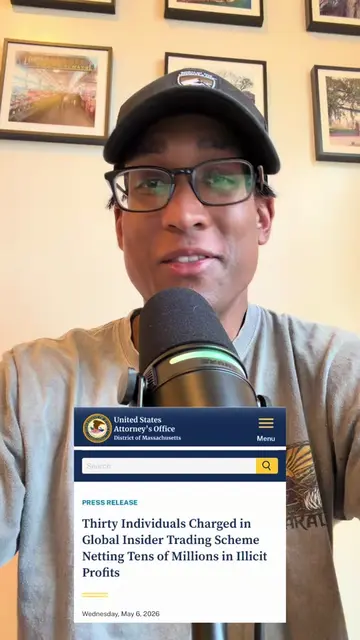
Loading video…
All breakouts

6.0Talking HeadStory Open hook
Hook
A guy bought a lottery ticket for $10.
@investmenttakes
100.6K followers · usually 48.8K views a post
Views
249.7K
Likes
10.5K
Comments
466
Shares
286
Why it worked
The video tells a compelling story with a clear conflict and a relatable dilemma, drawing viewers in with the dramatic lottery win and the subsequent legal dispute. The narrative structure, with its twists and turns, keeps the audience engaged until the end, prompting them to consider the ethical implications and share their opinions.
Summary
A Circle K employee, Robert Galitzka, is in a legal battle with his employer after he purchased a winning lottery ticket that a customer had previously refused to pay for. Galitzka claims he was following company policy by buying the ticket after clocking out, intending to split the $12.8 million prize with a coworker. Circle K, however, claims ownership of the ticket based on a state lottery rule and has fired Galitzka and taken the ticket into safekeeping.
Structure
- 1Introduction of a lottery ticket win and employer dispute.
- 2A woman buys 85 lottery tickets but only pays for 60, leaving 25 behind.
- 3One of the unclaimed tickets wins $12.8 million.
- 4The store manager, Robert Galitzka, buys the leftover tickets after his shift.
- 5Galitzka is fired and sued by Circle K for the prize money.
- 6Galitzka claims he followed company policy and has employee statements to support his case.
- 7Circle K claims ownership based on a state lottery rule regarding unsold tickets.
Original caption
A guy bought a lottery ticket for $10. It turned out to be worth $12.8 million. Now the company he worked at for 20 years is suing to take it from him, even though he says he was just following their own policy. #finance
More from @investmenttakes
Their other posts in the index, biggest breakout first.