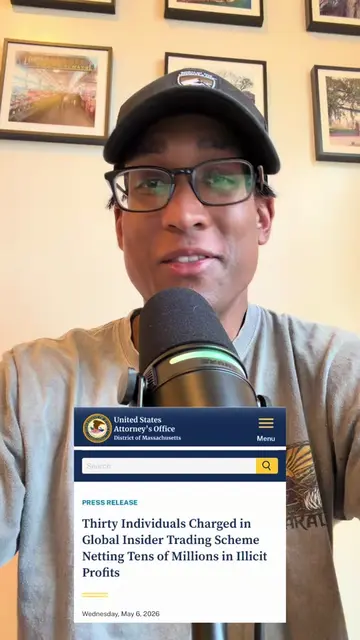
Somebody just fleeced Wall Street for $100 million
@investmenttakes
100.6K followers · usually 48.8K views a post
Views
316.3K
Likes
14.2K
Comments
555
Shares
711
Why it worked
The video tells a compelling story about a massive financial bet with high stakes and a dramatic outcome, featuring a clear narrative arc and relatable themes of risk and reward. The use of specific financial terms and events, combined with a direct question to the audience, encourages engagement and discussion.
Summary
A massive bet on the stock prices of Chinese companies Futu Holdings and Tiger Brokers, made by anonymous traders using short-dated put options, resulted in huge profits for the traders and a significant loss for market maker Susquehanna Investment Group. Susquehanna is suing to uncover the identities of the traders, believing they had insider information about an impending Chinese government crackdown on these companies.
Structure
1Introduction of the massive bet on Futu and Tiger
2Explanation of Futu and Tiger as Chinese Robin Hoods
3China's capital controls and the government's initial inaction
4The mystery traders' purchase of short-dated put options
5Susquehanna's role as a market maker and their loss
6The Chinese government's crackdown on Futu and Tiger
7The market reaction and the traders' profits vs. Susquehanna's loss
8
Original caption
Someone turned $12 million into over $100 million by fleecing Wall Street. Nobody knows who they are, but one of the firms they beat is trying to hunt them down #finance #investing #stocks
More from @investmenttakes
Their other posts in the index, biggest breakout first.
Susquehanna's lawsuit and the legal argument based on patterns
9The theory of who leaked the information
10Concluding question to the audience
Product placement
Futu Holdings and Tiger Brokers are mentioned as Chinese stock trading apps that allowed Chinese investors to trade US stocks. Susquehanna Investment Group is mentioned as the market maker that sold put options to the mystery traders.
Call to action
Let me know in the comments for more insights on the economy and investing.
On-screen text
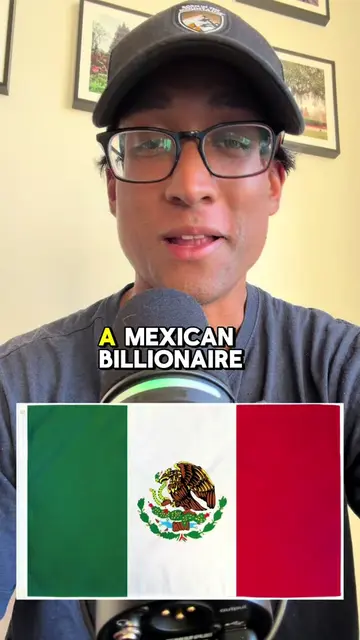
SOMEBODY JUST
FLEECED
WALL STREET FOR $
100 MILLION
NOBODY KNOWS WHO
AND NOW WALL
IS TRYING TO
HUNT THEM DOWN
SO HERE'S WHAT
HAPPENED THE STORY
CHINESE COMPANIES
YOU'VE PROBABLY NEVER
HEARD OF
CALLED FUTU
HOLDINGS
TIGER
BROKERS
BOTH ARE BASICALLY
CHINESE VERSIONS OF
ROBIN HOOD
THEY LET REGULAR
CHINESE INVESTORS
TRADE
US STOCKS FROM
THEIR PHONES
WILDLY POPULAR
BUT THE CHINESE
GOVERNMENT WASN'T HAPPY
WITH THEM
YOU SEE CHINA
HAS STRICT CAPITAL
CONTROLS THAT LIMITS THE
AMOUNT OF MONEY
THE COUNTRY
AND FUTU AND
TIGER WERE MAKING
VERY EASY FOR
MONEY TO LEAVE
AND BUY AMERICAN
STOCKS
LONG TIME
THE GOVERNMENT LOOKED
THE OTHER WAY
APPS KEPT GROWING
AND GETTING MORE
POPULAR
REGULATORS STARTED SEEING
THEM AS A
REAL PROBLEM
KEEP THAT IN MIND BECAUSE IT'S
IMPORTANT CONTEXT FOR
WHAT COMES NEXT
SO STARTING AROUND
MAY 2026
SOMEONE OR A
GROUP OF PEOPLE
BEGAN BUYING MASSIVE
AMOUNTS OF PUT
OPTIONS ON TIGER
AND FUTU
PUT OPTIONS
IF YOU DON'T KNOW WHAT A
PUT OPTION IS
BET THAT A
STOCK WILL GO
DOWN
IF THE STOCK
CRASHES YOU MAKE
A LOT OF MONEY
BUT THESE WEREN'T
JUST ANY PUTS
WE WERE BUYING
THEY WERE SHORT
DATED OUT OF
WHICH ARE ESSENTIALLY
LOTTERY TICKETS
THEY WOULD ONLY
PAY OFF IF
THE STOCKS CRASHED
OVER THE COURSE
FEW DAYS
OTHERWISE THEY'D EXPIRE
WORTHLESS
SO OVER ABOUT
TWO WEEKS
THESE MYSTERY
TRADERS BOUGHT ABOUT 200,000
OF THESE PUTS
THEY SPENT $12 MILLION
TOTAL
HUGE BET THAT
THESE TWO CHINESE
BROKERAGES
HAVE A VERY
BAD DAY
WALL STREET COMES IN
WHILE THE MYSTERY
TRADERS WERE BUYING
PUT OPTIONS
SELL THOSE OPTIONS
TO THEM
AFTER ALL FOR
THERE HAS TO
BE A SELLER
AS IT TURNS OUT
THESE PUT OPTIONS
WAS SUSQUEHANNA INVESTMENT
A PENNSYLVANIA BASED
COMPANY FOUNDED BY
JEFF YASS
WHO'S WORTH AROUND
$92 BILLION
ON THE OTHER
SIDE OF LOT OF THESE
SELLING THE PUT
OPTIONS TO THE
MYSTERY TRADERS
TRADERS
UNLIKE THE TRADERS
SUSQUEHANNA WASN'T BETTING
ON THE DIRECTION
OF THE STOCKS
CALLED A MARKET
MAKER
THE MIDDLEMAN IN
MARKETS IF SOMEONE
WANTS TO BUY
SUSQUEHANNA SELLS IT
TO THEM
TO SELL AN
SUSQUEHANNA BUYS
IT
THE MIDDLE OF
ALL THESE TRADES
SMALL PROFIT FROM
EACH ONE
BUSINESS MODEL WHEN
IT WORKS
BECAUSE USUALLY SOME
PEOPLE WANNA BUY
SELL AND IT
ALL EVENS OUT
BUT THE MODEL
RUNS INTO PROBLEMS
THE OTHER SIDE
KNOWS SOMETHING THAT
THE MARKET MAKER
DOESN'T
WHICH BRINGS US
BACK TO FUTU
AND TIGER
ON MAY 22ND, 2026
THE CHINESE GOVERNMENT
OUT OF NOWHERE
DROPPED A BOMBSHELL
EIGHT DIFFERENT AGENCIES
RELEASED A JOINT
STATEMENT
ANNOUNCING A CRACKDOWN
ON CROSS BORDER
BROKERAGES
THEY SPECIFICALLY NAMED
FUTU AND TIGER AND SAID THESE
COMPANIES HAD BEEN
OPERATING ILLEGALLY IN
CHINA
THE MARKET REACTION
WAS BRUTAL
FUTU GOT HIT WITH A FINE
OF ABOUT 273 MILLION
AND ITS STOCK
CRASHED
THE FOUNDER A GUY
NAMED LEAF LEE
LOST 1.7 BILLION
DOLLARS
OF HIS PERSONAL
FORTUNE IN JUST
A SINGLE DAY
TIGER STOCK CRASHED
TOO
ON THE OTHER HAND
ALL OF THOSE
MYSTERY TRADERS BOUGHT
A FEW DAYS
EARLIER
ROOF THAT TWELVE
MILLION DOLLAR BET
TURNED INTO MORE
THAN A HUNDRED
MILLION DOLLARS IN
$100,000,000
PROFITS
OVER 900%
MEANWHILE
SUSQUEHANNA SITTING ON
ATE A LOSS
OF $70 MILLION
-$70,000,000
THE COMPANY WAS
FURIOUS
AND IMMEDIATELY CLAIMED
THAT THE TRADERS HAD DONE
SOMETHING NEFARIOUS
SO LAST MONDAY
THE COMPANY FILED
A LAWSUIT IN
FEDERAL COURT AGAINST
THE TRADERS
THE PROBLEM IS
THEY DON'T EXACTLY
KNOW WHO
SUING
THE COURT TO
FORCE THE BROKERS
THAT THE TRADERS
TO HAND OVER
THE NAMES OF
EVERYONE WHO BOUGHT
A JUDGE GRANTED
WEEK
THE ACCOUNTS THAT
MADE THE TRADES
AND GAVE SUSQUEHANNA
THE GREEN LIGHT
TO SUBPOENA THE
AND UNMASK THE
TRADERS THE SEC
HAS ALSO OPENED
ITS OWN INVESTIGATION
POINT
NOW AS FOR
WHO THE LEAKER
THE COMPANY'S OWN
THEORY THAT IT
THE LAWSUIT
ONE OF TWO
GROUPS
EITHER CHINESE REGULATORS
WHO WERE INVOLVED
IN PLANNING THE
OR EMPLOYEES AT
FUTU AND TIGER
THAT SOMEHOW GOT
WIND OF IT
PERHAPS NOT COINCIDENTALLY
THE MYSTERY TRADERS
USED FUTU AND
TIGER TO PLACE
THEIR TRADES
SO WHAT DO YOU GUYS THINK
DID SOMEBODY IN
CHINA TIP THESE
OR DID THEY
JUST READ THE
POLITICAL WINDS BETTER
THAN EVERYONE ELSE
IN THE COMMENTS
MORE INSIGHTS ON
THE ECONOMY AND
INVESTING
Transcript
Somebody just fleeced Wall Street for $100 million dollars. Nobody knows who they are and now Wall Street is trying to hunt them down. So here's what happened. The story starts with two Chinese companies you've probably never heard of. The first is called Futu Holdings and the second is called Tiger Brokers. Both are basically Chinese versions of Robin Hood. They let regular Chinese investors trade US stocks from their phones. These apps are wildly popular, but the Chinese government wasn't happy with them. You see China has strict capital controls that limits the amount of money that can leave the country. And Futu and Tiger were making it very, very easy for money to leave and buy American stocks. For a long time, the government looked the other way. But as the apps kept growing and getting more popular, regulators started seeing them as a real problem. Keep that in mind because it's important context for what comes next. So starting around May 2026, someone or a group of people began buying massive amounts of put options on Tiger and Futu. Put options, if you don't know what a put option is, it's essentially a bet that a stock will go down. If the stock crashes, you make a lot of money. But these weren't just any puts that the traders were buying. They were short-dated out-of-the-money puts, which are essentially lottery tickets. They would only pay off if the stocks crashed dramatically over the course of just a few days. Otherwise, they'd expire worthless. So over about two weeks, these mystery traders bought about 200,000 of these puts. They spent $12 million total. A huge bet that these two Chinese brokerages have a very bad day. Now, Wall Street comes in. While the mystery traders were buying put options, someone had to sell those options to them. After all, for every buyer, there has to be a seller. As it turns out, the seller for a lot of these put options was Susquehanna Investment Group, a Pennsylvania-based company founded by Jeff Yass, who's worth around $92 billion. So they were on the other side of a lot of these trades, selling the put options to the mystery traders. But unlike the traders, Susquehanna wasn't betting on the direction of the stocks. They're called a market maker. The middleman in markets. If someone wants to buy an option, Susquehanna sells it to them. If someone wants to sell an option, Susquehanna buys it from them. They stand in the middle of all these trades and collect a small profit from each one. It's a great business model when it works because usually some people wanna buy, some people wanna sell, and it all evens out. But the model runs into problems when the other side knows something that the market maker doesn't. Which brings us back to Futu and Tiger. On May 22nd, 2026, the Chinese government, out of nowhere, dropped a bombshell. Eight different agencies released a joint statement announcing a crackdown on cross-border brokerages. They specifically named Futu and Tiger and said these companies had been operating illegally in China. The market reaction was brutal. Futu got hit with a fine of about $273 million and its stock crashed. The founder, a guy named Leaf Lee, lost $1.7 billion of his personal fortune in just a single day. Tiger stock crashed too. On the other hand, all of those mystery traders bought a few days earlier went through the roof. That $12 million bet turned into more than a hundred million dollars in profits, over 900%. Meanwhile, Susquehanna, sitting on the other side, ate a loss of $70 million. The company was furious and immediately claimed that the traders had done something nefarious. So last Monday, the company filed a lawsuit in federal court against the traders. The problem is, they don't exactly know who they're suing. So they asked the court to force the brokers that the traders used to hand over the names of everyone who bought a put. A judge granted the order this week. He froze the accounts that made the trades and gave Susquehanna the green light to subpoena the brokers and unmask the traders. The SEC has also opened its own investigation. Now, at this point, you might be wondering what the problem even is. Wasn't this just a good trade? What gives Susquehanna the right to sue these traders? Well, it's true that Susquehanna doesn't actually know for a fact that anything nefarious actually happened. They don't have hard evidence like emails or a whistleblower. What they do have, though, is a pattern. Their argument goes like this: Market makers deal with unpredictable news all the time. Companies announce good earnings results, bad earnings results, mergers and acquisitions, all kinds of stuff that move stock prices significantly. And market makers mostly come out that fine because it all evens out. But what killed Susquehanna here is the trades were massively one-sided. And their argument is this couldn't have happened by accident. If the Chinese crackdown had been a total surprise, there's no reason anyone would have built that type of position. Nobody randomly bets $12 million on short-dated put options that only pay off if something really bad happens in just a few days. Susquehanna is trying to make the case that the pattern is so specific and so well-timed that insider information is the only explanation that fits. Now, as for who the leaker is, the company's own theory that it laid out in the lawsuit is that it had to be one of two groups. Either Chinese regulators who were involved in planning the crackdown, or employees at Futu and Tiger that somehow got wind of it. Perhaps not coincidentally, the mystery traders used Futu and Tiger to place their trades. So what do you guys think? Did somebody in China tip these traders off, or did they just read the political winds better than everyone else? Let me know in the comments for more insights on the economy and investing.