Loading video…
Sound

original sound - alex_falcone
Alex Falcone · Original audio
0:00–:––
Playing this video’s own audio, so you’ll hear the creator over the sound.
We didn’t find a product being promoted in this video. Its hook, format and structure below still show why it took off.
Browse products winning on TikTokThe video uses a compelling narrative structure, tracing the historical transformation of common foods into luxury items. The rhyming and engaging presentation style, combined with surprising historical facts, make the content memorable and shareable.
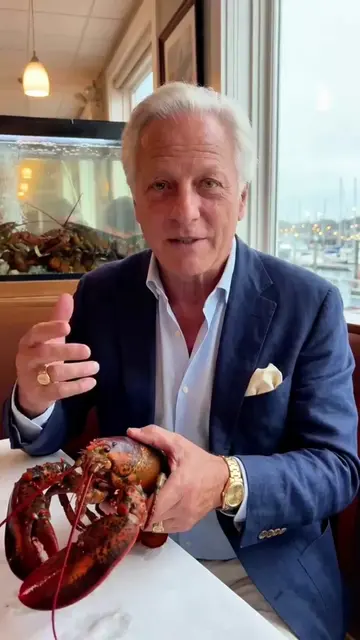
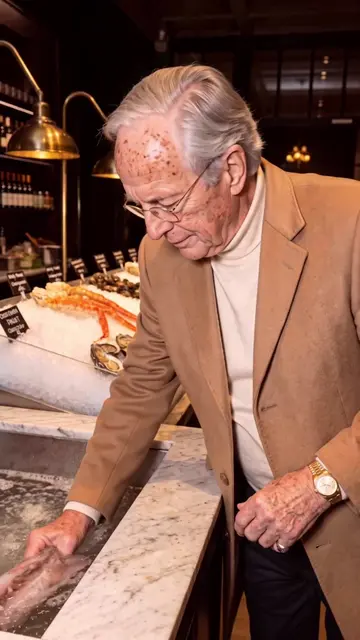
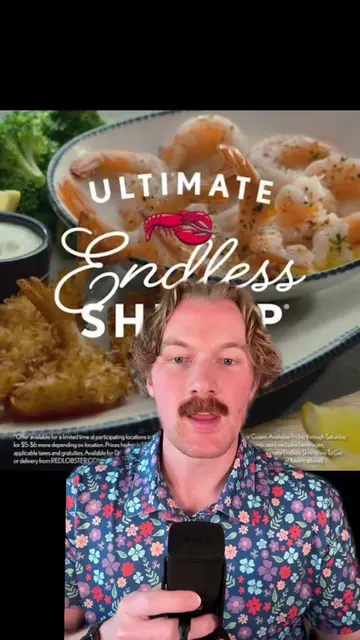
This video discusses how three foods, lobster, salmon, and oysters, transformed from being considered cheap or undesirable to becoming luxury items. It highlights historical context and market changes, such as overfishing and marketing efforts, that influenced their perceived value.
3 things that used to NOT be for rich people #learnsomethingnew #unlearning
Last week, I talked about foods
Intro: Foods that went from cheap to expensive
Lobster: From trash to delicacy
Salmon: From low quality to sushi staple
Oysters: From pub snacks to luxury
Conclusion: Any food can increase in value
Playing this video’s own audio, so you’ll hear the creator over the sound.
Outliers and viral hits: their videos on Overshot, all time.