Loading video…
All breakouts
5.9Talking HeadStory Open hookCreator Economy
Hook
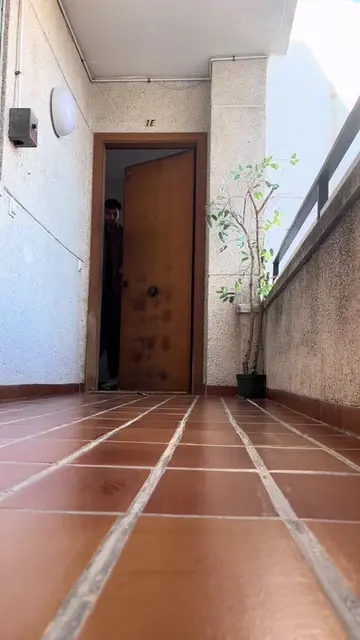
Hay una teoría que dice que
@toby.saied
137.2K followers · usually 96.1K views a post
Views
525.1K
Likes
43.5K
Comments
134
Shares
4.8K
Why it worked
The video likely resonated due to its exploration of a relatable and emotionally charged topic: family dynamics and the impact of childhood experiences on adult relationships. The use of a psychological theory (transgenerational tree) and a conversational, relatable tone likely contributed to its engagement.
Summary
The video discusses a theory that people treat their parents the same way they felt treated as children. The speaker suggests that if a mother didn't nurture her child enough, the child might later take on a maternal role for their own mother as an adult, as a way to educate her. This behavior, if not addressed, can lead to not being available for one's own children.
Structure
- 1Theory of reciprocal treatment in parent-child relationships
- 2The concept of a child becoming a parent to their own parent
- 3The idea of educating or correcting a parent's past behavior
- 4The consequence of this dynamic on one's availability for their own children
- 5A warning to be mindful of this 'family tree' dynamic
Product placement
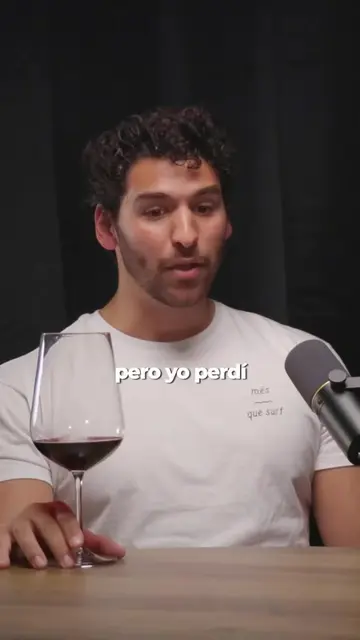
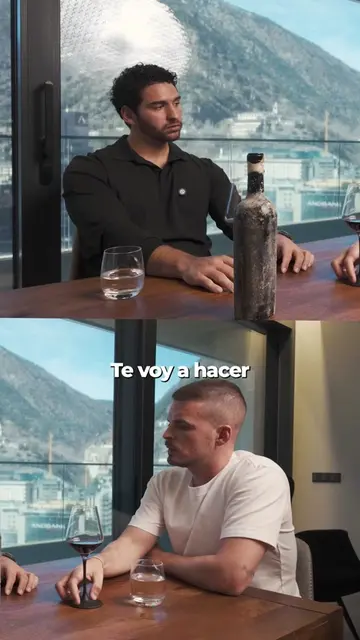
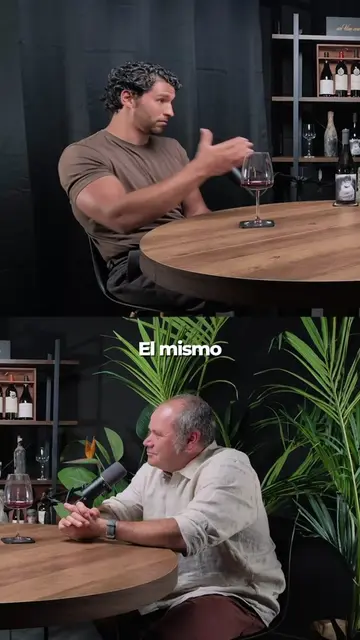
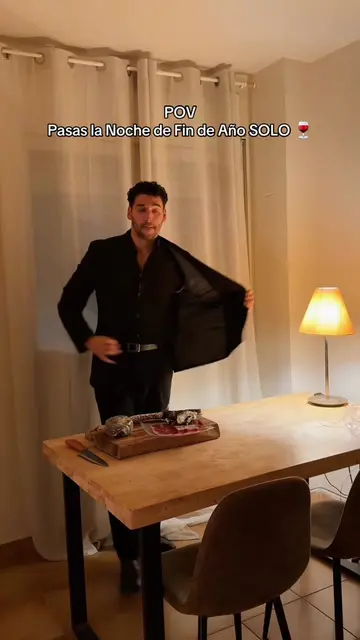
The video features a glass of red wine on the table, and the caption mentions "un vinocon" which could imply a wine-related theme or sponsor, but no specific product is promoted. The podcast is mentioned as being available on YouTube.
On-screen text
que dice que
"Tratamos
padres,
con ellos
escribimos...
frecuencia
nos hemos
sentido tratados
Tiene
tiene
mucho sentido
cuando
que hay
un rechazo
o un reclamo
vamos a suponer
una madre que
lo suficiente
pues es posible
mayor
haga de madre
de mi madre por
porque es una manera
de educarla
y de decirle
con morse
yo te estoy
me hiciste
Vas mal
por la vida
porque después
van a reclamar
lo mismo porque
haciendo
de tu madre
o de madre
de tu padre no
estás disponible
hijos
entonces
mucho cuidadín
es un tema ja
sí sí sí sí
Original caption
Tratamos a nuestros padres de la misma forma en la que nos hemos sentido tratados de pequeños. El Árbol Transgeneracional con Marta Salvat. 🎙️Podcast completo en YouTube: TOBYSAIED #arboltransgeneracional #tobysaied #martasalvat #unvinocon
More from @toby.saied
More breakout videos from this creator.