Loading video…
All breakouts
11.0Text-HeavyHow-To hookEducation
Hook
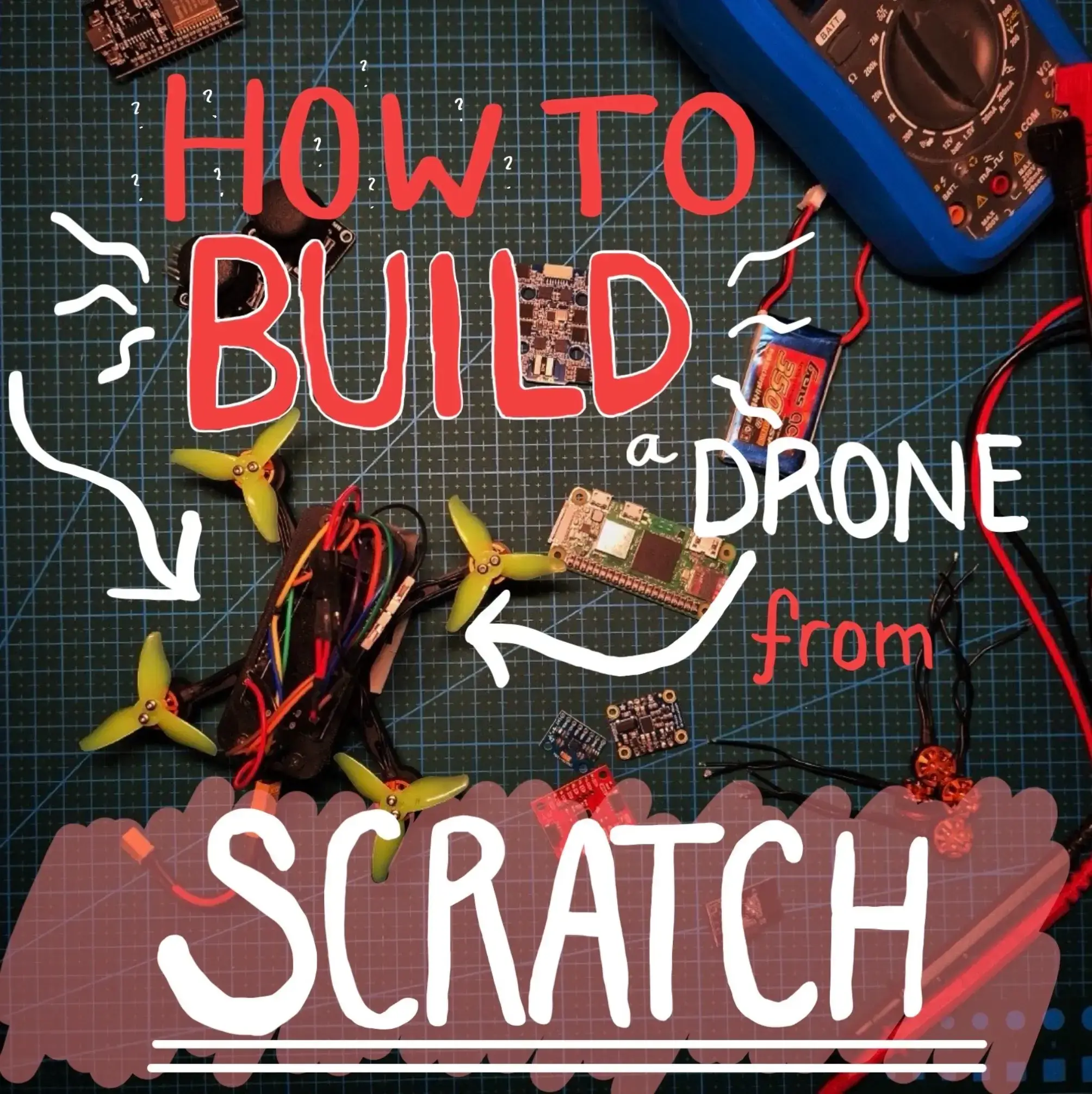
HOW TO BUILD a DRONE from SCRATCH
@pathofseb
32.9K followers · usually 16.5K views a post
Views
152.8K
Likes
14.9K
Comments
44
Shares
999
Promoted product
DIY Drone Build
Why it worked
The post breaks down a complex project (building a drone) into manageable steps with clear explanations for each component. The use of text-heavy slides with diagrams and bullet points makes the information accessible and easy to follow, appealing to hobbyists and DIY enthusiasts.
Summary
This photo post details the process of building a drone from scratch, breaking down the essential components and their functions. It guides viewers through selecting motors, ESCs, flight controllers, radio components, and batteries, emphasizing key considerations for each part to ensure a successful build.
Structure
- 1Introduction to building a drone from scratch
- 2Motor and ESC selection and importance
- 3Flight controller components (MCU and IMU)
- 4Radio transmitter and receiver setup
- 5Battery selection and safety
- 6Firmware and control loop tuning
- 7Final assembly and testing
Original caption
Building a drone from scratch isn't as scary as it sounds. With only a handful of components you can get something that will fly in not too many steps. #robotics #drone #engineering #projects #hardware less
More from @pathofseb
More breakout videos from this creator.