Loading video…
All breakouts
13.0Silent UGCListicle hookEducation
Hook
The most unhinged things to do during your final walkthrough
@oscardonproperty
9.7K followers · usually 2.1K views a post
Views
24.8K
Likes
88
Comments
1
Shares
133
Why it worked
It uses a provocative hook ('unhinged') to frame a boring but high-stakes task (home inspection) as an edgy, expert-level activity, driving curiosity and authority.
Summary
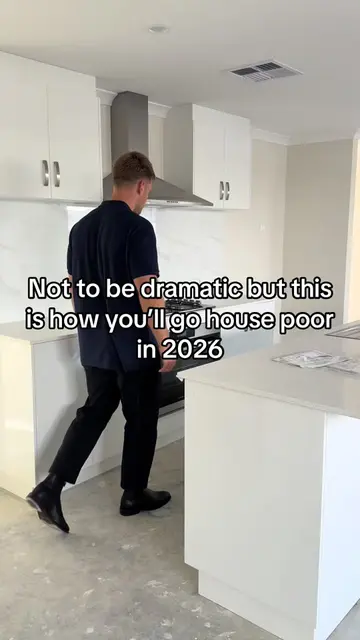
A person walks through a construction site or new home build, inspecting various areas. The video uses text overlays to suggest thorough inspection techniques for home buyers.
Structure
- 1Introduction of the concept of an unhinged final walkthrough
- 2Visual demonstration of inspecting a construction site
- 3Context provided in the caption about the importance of thorough inspections
- 4Call to action via the creator's bio link for professional assistance
Product placement
Original caption
Most buyers do their pre-settlement inspection, glance at the walls, nod, and sign. That’s exactly how you end up paying for the previous owner’s problems. This inspection is your last shot to catch what they never fixed, what they’ve taken with them, and what’s going to hit your wallet the week after settlement. Treat it like a job. It’s not a lap of honour. Here’s the checklist I run with every buyer: Water. Run every tap, hot and cold. Flush every toilet. Check under each sink for leaks. Look for water stains on ceilings beneath bathrooms , any stain that wasn’t there at the building inspection means something’s let go in the last few weeks. Electrical. Flick every switch. Test the power points with a cheap outlet tester. Open the switchboard and look for hand-scrawled labels that don’t line up with anything. Make sure the smoke alarms actually sound. Heating and cooling. Run the aircon. Run the heating. Hold your hand to the vents in the rooms furthest from the unit, no airflow means something’s failed. Same goes for hot water: run the kitchen tap for a minute and check it stays hot. Structure. Walk through every room. Check the corners of windows and doors for fresh cracks. Look under the house or in the subfloor for new damp marks. Check the floor where furniture used to sit, if it’s sagging now, it was being hidden. Inclusions. Fridge, washer, dryer, wall-mounted TVs, garage shelving, remotes, light fittings, blinds and curtains. If it’s listed in the contract, it had better still be there. Toilet seats included. I’m serious. Handover. Get keys for every door, every mailbox, every garage remote, the alarm code, the wifi details, pool equipment, and the appliance manuals. Sellers wander off with this stuff constantly. Get it sorted on the day, not three weeks down the track. And if something’s wrong, don’t settle. Push the date. The leverage you’ve got at this inspection is the only leverage you’ll ever have. #property #wealth #money #house #invest
More from @oscardonproperty
More breakout videos from this creator.