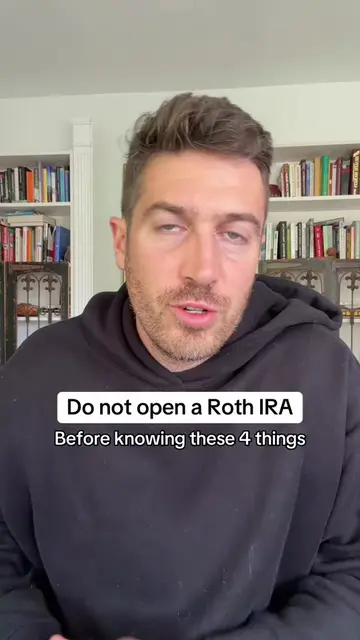
Loading video…
All breakouts
6.5Talking HeadListicle hookFinance
Hook
Financial checklist after you make $100k/yr
@budgeters_anonymous
105.1K followers · usually 3.9K views a post
Views
73.7K
Likes
3.8K
Comments
38
Shares
414
Why it worked
The video provides actionable financial advice tailored to a specific income bracket ($100k/yr), breaking down complex financial concepts into simple, numbered steps. The use of clear on-screen text and relatable examples (like car breakdowns) makes the information accessible and engaging.
Summary
This video provides a financial checklist for individuals earning $100,000 per year, focusing on saving, investing, and debt management. It outlines steps like saving $15,000 for emergencies, investing in a Roth IRA and HSA, and protecting oneself with insurance and a will, before prioritizing debt repayment.
Structure
- 1Saving $15,000 for emergency fund
- 2Investing $625/month in a Roth IRA
- 3Investing $250/month in an HSA
- 4Getting insurance and setting up a will
- 5Prioritizing debt repayment
Product placement
The video discusses financial products and strategies such as High Yield Savings Accounts (HYSA), Roth IRA, and Health Savings Accounts (HSA). It also mentions life insurance, identity theft protection, and umbrella policies.
On-screen text
Financial checklist after you make $100k/yr
1: $15k -> HYSA
$100k = $8,333/mo
$6,250/mo
80% = $5k/mo
2: $625/mo -> Roth IRA
$7,500/yr
30 yrs = $1.7m
3: $250 -> HSA
$370k
Tax = 25%
C $123k
4: + - Life Insurance
- Identity Theft
- Umbrella
Beneficiaries
Will
5: Debt
$1,250/mo
Loan 1 X Loan 2 Loan 3
Loan 1 X Loan 2 Loan 3
Original caption
Once you’re making $100k you’re going to be able to start building up your assets a lot faster. It’s important to manage your money in a slightly different way. #PersonalFinance #finance
More from @budgeters_anonymous
More breakout videos from this creator.