Loading video…
All breakouts
3.8Talking HeadContrarian hookFinance
Hook
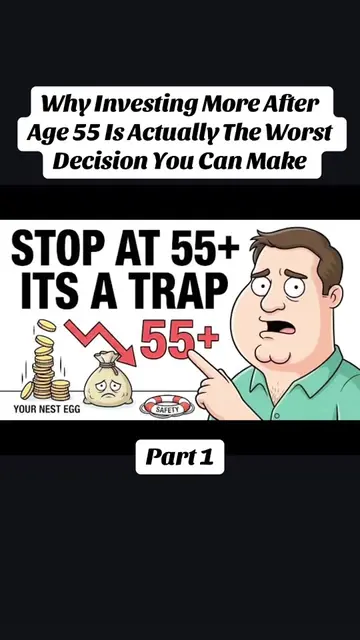
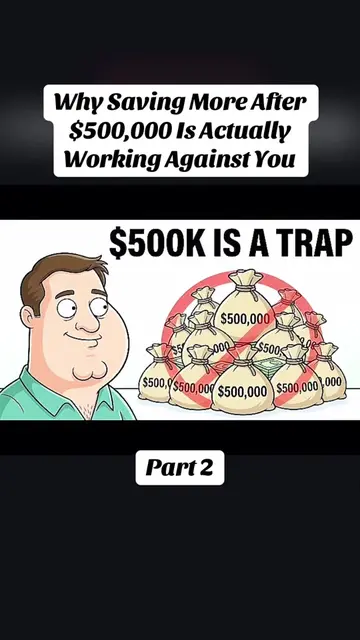
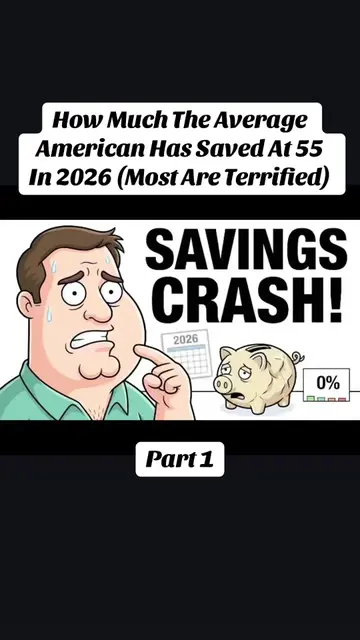
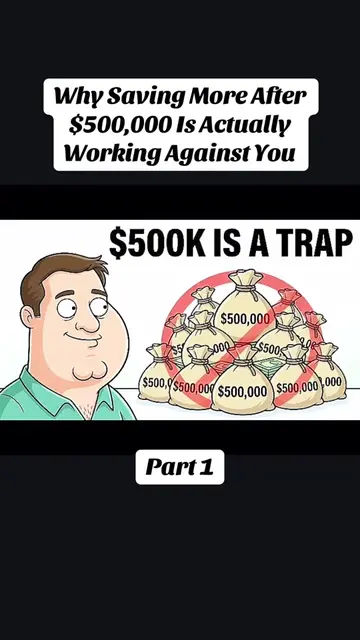
Why Investing More After Age 55 Is Actually The Worst Decision You Can Make
@finance.dept2
14.2K followers · usually 1.8K views a post
Views
6.7K
Likes
39
Comments
3
Shares
4
Why it worked
The video effectively uses clear visuals and relatable analogies (like "October Garden" and "frost") to explain a complex financial concept. It contrasts the saving phase with the retirement phase to highlight the critical importance of sequence risk, making the information highly relevant to its target audience.
Summary
This video explains the concept of "sequence risk" in retirement investing, highlighting how market performance in the early years of retirement can drastically impact overall outcomes, even with identical portfolios and average returns. It emphasizes that the first 10 years of retirement are critical, and a market downturn during this period can lock in losses when withdrawals are being made.
Structure
- 1Introduction to sequence risk and identical portfolios with different outcomes.
- 2The impact of early vs. late losses on retirement.
- 3The critical role of the first 10 years of retirement.
- 4Market drops as opportunities during saving phase vs. risks during withdrawal phase.
- 5The "retirement risk zone" and vulnerability at age 55.
- 6Real-world example of sequence risk in early 2025 retirements.
- 7Conventional advice vs. data on sustainable withdrawal rates.
Original caption
P.2 Why Investing More After Age 55 Is Actually The Worst Decision You Can Make #finance #financetok #money #economy #investing
More from @finance.dept2
More breakout videos from this creator.