Loading video…
All breakouts
7.1Text-HeavyDirect Question hookFinance
Hook
What Separates People Who Retire At 55 From Everyone Who Works Until 70
@finance.dept2
14.2K followers · usually 1.8K views a post
Views
12.6K
Likes
73
Comments
0
Shares
6
Why it worked
The video uses striking statistics and clear visual aids to present a counter-intuitive perspective on retirement planning. By highlighting the gap between people's desires and the reality, and by framing early retirement as a result of intentional 'engineering' rather than luck, it creates a compelling narrative that encourages viewers to reconsider conventional advice.
Summary
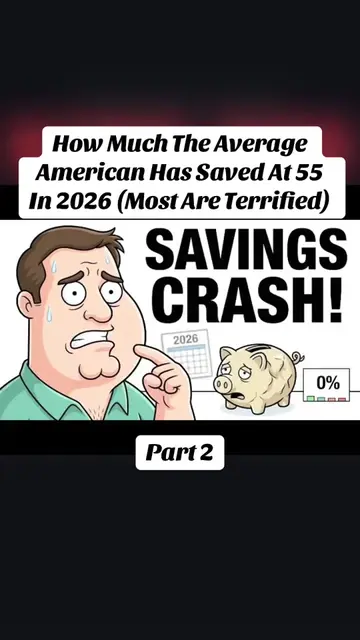
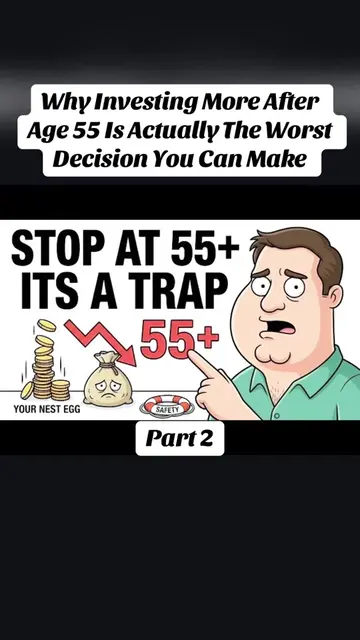
This video discusses the disparity between the desired retirement age and the reality for most Americans. It highlights that while many wish to retire early, few achieve it due to a lack of intentional planning and systemic factors that encourage people to stay in the workforce longer. The video introduces the concept of four critical decisions made at specific times that lead to different financial outcomes, contrasting this with the conventional retirement narrative.
Structure
- 1Introduction to the retirement gap and desired vs. actual retirement ages.
- 2Statistics on Americans who retire early vs. those who work longer.
- 3The concept of 'choosers' who intentionally engineer their retirement.
- 4Critique of the conventional retirement narrative and its flaws.
- 5Explanation of the five-year gap between stopping work and government benefits.
- 6The role of the financial system in keeping people employed.
- 7
More from @finance.dept2
More breakout videos from this creator.