Loading video…
All breakouts
4.1Text-HeavyDirect Question hookFinance
Hook
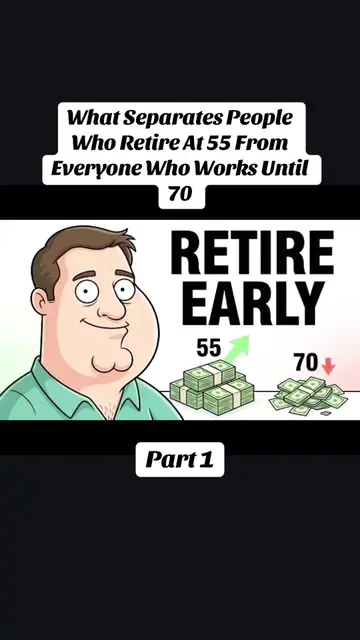
What Separates People Who Retire At 55 From Everyone Who Works Until 70
@finance.dept2
14.2K followers · usually 1.8K views a post
Views
7.2K
Likes
36
Comments
1
Shares
8
Why it worked
The video uses a relatable narrative about 'Marcus' to illustrate a complex financial concept (compounding and fees) in a clear and impactful way. The use of graphs and statistics makes the information digestible and persuasive, while the "danger zone" and "question nobody asks" elements create intrigue.
Summary
This video explains the critical difference between retiring early and working until 70, focusing on the power of starting early and maintaining a consistent savings gap. It highlights how lifestyle inflation can derail even high earners and emphasizes the hidden cost of fees on long-term investment growth.
Structure
- 1Marcus's situation: high income, low savings rate, lifestyle inflation.
- 2The math of starting early vs. late with compounding.
- 3The importance of the savings gap and not inflating lifestyle.
- 4The system validating poor financial decisions.
- 5The true cost of 1% fees over time.
On-screen text
What Separates People Who Retire At 55 From Everyone Who Works Until 70
Part 3
$107,637/YR
$110,000/YR
Part 3
48, HE WAS
EARNING $110,000 A
COMFORTABLE BY ANY
BUT MARCUS HAD
WHAT I PRIVATELY
CALL A LIFESTYLE
ESCALATOR.
EVERY RAISE GOT
NICER CAR,
A BIGGER HOUSE,
BETTER VACATIONS.
HIS SAVINGS RATE
HOVERED AROUND 6
OR 7% BECAUSE
401K,
JUST ENOUGH TO
CAPTURE THE EMPLOYER
AND CALLED IT
RETIREMENT PLANNING.
ON TRACK
HE WAS, IN
THE LANGUAGE OF
THE FINANCIAL PLANNING
ON TRACK.
EXCEPT HE WASN'T,
BECAUSE THE DESTINATION
TRACK TOWARD WAS
RETIREING BROKE AT
67,
NOT FREE AT
55. HERE'S THE
MATH THAT NOBODY
PUTS IN A HEADLINE.
IF MARCUS HAD
STARTED AT 30
WITH A 60
THOUSAND DOLLAR INCOME
AND SAVED 20%
$12,000 A YEAR
INTO A LOW
COST S AND
P 500 INDEX
FUND
AVERAGING 10% ANNUAL
RETURNS,
DOING THAT FOR
25 YEARS WITHOUT
EVER TOUCHING IT,
ARRIVED AT 55
WITH APPROXIMATELY $1.2 MILLION
NO RAISES, NO
WINDFALLS,
NO INHERITANCE, NO
LUCK.
PURE ARITHMETIC. INSTEAD,
HE STARTED SAVING
SERIOUSLY AT 43,
BY WHICH TIME
HE WAS SAVING
A LARGER DOLLAR
AMOUNT PER YEAR,
BUT THE COMPOUNDING
RUNWAY WAS GONE.
STARTING 13 YEARS
LATER WITH MORE
MONEY PER YEAR
DOES NOT CLOSE
A 13 YEAR
COMPOUNDING GAP.
A LITTLE.
THE EARLY YEARS
AREN'T MORE IMPORTANT
BECAUSE THE DEPOSITS
ARE BIGGER.
THEY'RE MORE IMPORTANT
BECAUSE EACH DOLLAR
HAS MORE TIME
TO COMPOUND.
A DOLLAR INVESTED
AT 30 HAS
25 YEARS TO GROW
BEFORE YOU'RE
55.
A DOLLAR INVESTED
AT 43 HAS
12 YEARS.
THE MATH ON
THOSE $2 IS
NOT COMPARABLE.
THE PEOPLE WHO
RETIRE AT 55
STARTED EARLIER,
SAVED MORE AS
INCOME,
DOLLAR AMOUNT.
AND THIS IS
THE CRITICAL PART.
THEY NEVER INFLATED
THEIR LIFESTYLE AT
THE SAME RATE
AS THEIR INCOME.
THEY ALLOWED THE
GAP BETWEEN WHAT
THEY EARNED AND
WHAT THEY SPENT
TO GROW.
THAT GAP IS
THE FIELD. THE
SEEDS PLANTED IN
IT ARE THE
INVESTMENTS.
FARMER ONE EVERY
YEAR WITHOUT INTERRUPTION
NOW,
THE MOST DANGEROUS
THING ABOUT MARCUS'S
STORY ISN'T THAT
HE DIDN'T SAVE ENOUGH...
VALIDATED BY THE SYSTEM
COWORKERS
Same Savings
Rate
ADVISOR
Approved
Spending
NEVER THOUGHT HE
WAS DOING ANYTHING
WRONG.
HIS CO WORKERS
HAD THE SAME
SAVINGS RATE.
HIS ADVISOR TOLD
HIM HE WAS
DOING FINE.
THE SYSTEM AROUND
HIM VALIDATED EVERY
SPENDING DECISION.
THE SILENT TRANSFER
$27,904
REMOVED FROM YOUR GROWTH
$60,101
REMOVED FROM YOUR GROWTH
$92,297
REMOVED FROM YOUR GROWTH
$124,494
REMOVED FROM YOUR GROWTH
$156,691
REMOVED FROM YOUR GROWTH
$188,888
REMOVED FROM YOUR GROWTH
$221,085
REMOVED FROM YOUR GROWTH
$253,282
REMOVED FROM YOUR GROWTH
$285,479
REMOVED FROM YOUR GROWTH
BECAUSE THE SYSTEM
PROFITS FROM HIS
NOT HIS FREEDOM.
HERE IS A
QUESTION NOBODY ASKS
AT A DINNER PARTY:
THE 1% FEE QUESTION
WHAT IS THE
1% FEE YOUR
FINANCIAL ADVISOR CHARGES
ACTUALLY COSTING YOU
OVER 30 YEARS?
THE INDUSTRY ANSWER
IS 1%.
THE REAL ANSWER
IS 1% COMPOUNDED
YEAR AFTER YEAR
ON A GROWING
PORTFOLIO.
WHICH MEANS THE
FEE GROWS AS
YOUR PORTFOLIO GROWS,
FEES NEVER GETS
THE CHANCE TO
COMPOUND.
Original caption
P.3 What Separates People Who Retire At 55 From Everyone Who Works Until 70 #finance #financetok #money #economy #investing
More from @finance.dept2
More breakout videos from this creator.