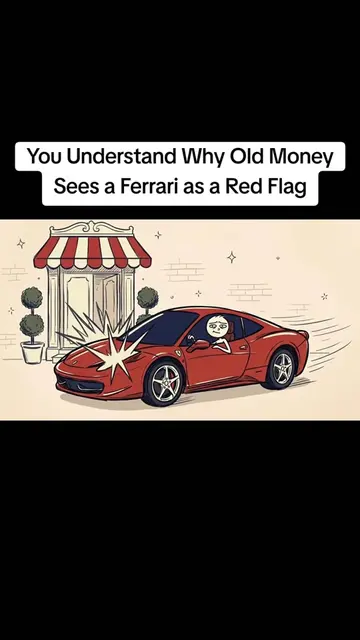
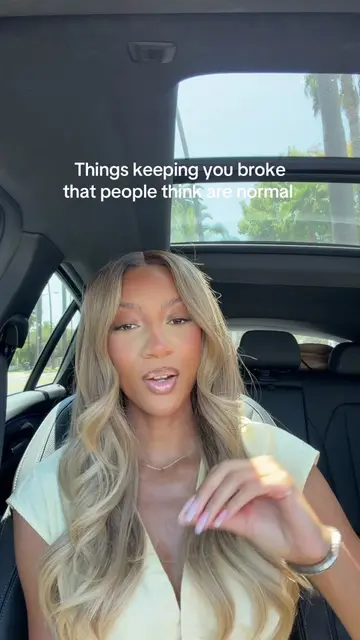
Let's be brutally honest for a second. Most people aren't broke because they're unlucky. They're broke because they're playing a rigged game, they never realize they were in. And the crazy part is that the traps that keep people poor are invisible. They feel normal, harmless. They sound like what everybody does. But the wealthy they aren't playing that game. So today we're exposing the money traps that are quite your future. Stay with me because I promise there's at least one of these you are still doing. And when you catch it, you will never see money the same way again. It starts with a simple question. Can I afford the payment. This is the monthly payment trap. That new phone, that couch, it feels manageable. But what you're really doing is renting your life one item at a time. The wealthy ask a fundamentally different question. What is the total cost over time? They delay gratification, so when they finally buy something, they actually own it. Or how about this one? The I earned this trap? After a brutal week, that reward purchase feels logical, right? Until it becomes your go-to emotional therapy. You're not celebrating success, you're using spending to numb stress. The wealthy take a different path. They attack the stress at its root, so they don't need the expensive retail therapy in the first place. Then there's the big tax refund. It lands in your bank account and feels like free money, a surprise bonus, but it's not. That was your money all along. You just gave the government an interest free loan for a year. The wealthy optimize their taxes in advance, making sure their money is working for them every single month, not just once a year. Here's a big one. The idea that a new car equals success. An expensive car is the fastest way to signal wealth while actively destroying it. It's a depreciating asset posing as a status symbol. Rich people don't flex with liabilities. They flex with something much more valuable, their freedom. This next one is financial quick sand. The "I'll start saving later" trap. The lie we tell ourselves is when I make more than I'll save. But the wealth multiplier isn't your salary. It's time. A dollar invested today is exponentially more powerful than $10 invested a decade from now. Time is the one asset you can never get back. Credit cards, buy now pay later, store financing. They've normalized the chains. For most people, debt is a lifestyle, a constant weight, but for the wealthy, debt is a tool. It's a lever they use strategically to acquire assets that make them more money. It's for building not for consuming, fear of investing. You hear people say they're afraid to lose money in the market, but they're not afraid of losing it slowly, silently to inflation. That feels safer somehow because the damage is invisible. The wealthy understand that not investing is the biggest risk of all. It's a guaranteed loss. This fear often pushes us right into another trap. The "I need it fast" trap. It's the mindset that asks, what can pay me quickly instead of the one that asks what can pay me forever? It's a focus on the next paycheck instead of the next decade. This short-term thinking makes us vulnerable to the trap of not knowing when to say no. Someone pitches a once in a lifetime deal, you get invited out to an expensive dinner. Most people say yes, because they're terrified of missing out. The wealthy say no, because they're terrified of losing control. Of their plan. And without a plan, your money just disappears. This is the no plan trap. If your money has no assignment, it slips away through a thousand tiny decisions. Every single dollar needs a job before you even earn it. A plan is your first line of defense. Your second is the emergency fund because emergencies are not a question of if, they are a question of when. Without that caution, every small problem, every unexpected car repair or medical bill becomes a financial earthquake capable of leveling everything you've built. Even when things go right, when you finally get that raise, another trap is waiting. It's called lifestyle creep. It slowly and silently kills more financial futures than major disasters ever will. You get a raise, you get a nicer car. You get a bonus, you get a bigger apartment. The wealthy do the opposite. They let their assets rise first, their lifestyle follows much, much later. They understand that not all income is equal. Most people are stuck trading their hours for dollars. The rich learn to trade ideas, systems and leverage. These traps are reinforced by the world around us. think about the friends influence trap. If you eat where your friends eat, shop where they shop and vacation where they vacation, your bank account eventually becomes a mirror of theirs. The wealthy carefully curate their social environment because they know influence is a currency. This pressure also feeds the cheap now expensive later trap. We buy the cheap shoes that last six months instead of the quality pair that last five years, costing us more in the long run. We're buying price tags not value. And here's the twist most never see. wealth isn't built by doing more. It's built by doing less but with massive intention, less mindless spending, less chasing status, less emotional buying. These traps don't keep people broke because they're irresponsible. They keep people broke because they were never taught the rules of the game. But now you know, and knowledge, that's the first real deposit into your future freedom. The question is no longer what you don't know. The question now is, which trap will you break today? Because the rich aren't just lucky, they're aware and awareness, that's what turns into wealth.