Loading video…
All breakouts
10.2Talking HeadOther hookLifestyle
Hook
It's summer, which means
@carnivero
4.2K followers · usually 2.1K views a post
Views
20.2K
Likes
2.1K
Comments
48
Shares
100
Why it worked
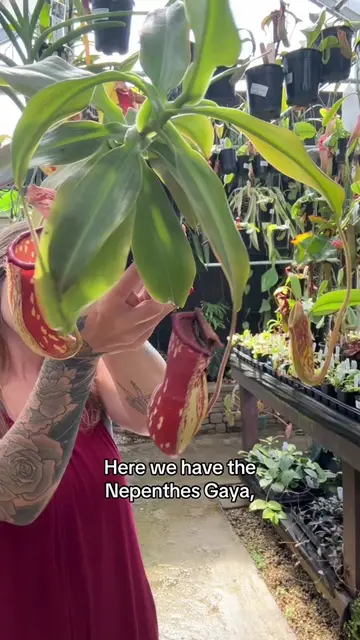
The video offers practical, actionable advice on caring for a popular and unique plant, addressing common questions about watering, light, and feeding. The creator's clear explanations and demonstrations make the information accessible and engaging for plant enthusiasts.
Summary
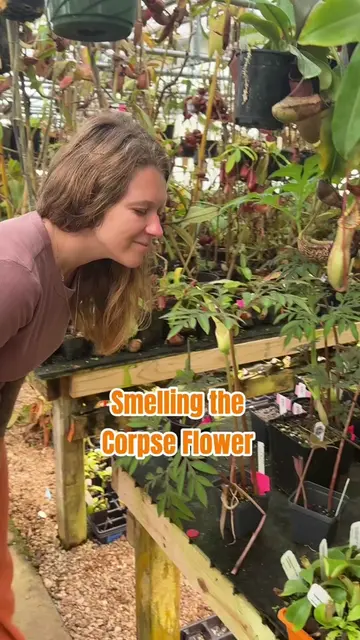
This video provides a guide on caring for Venus flytraps during their growing season. It covers essential aspects like watering with reverse osmosis, distilled, or rainwater, providing adequate light (direct sunlight or grow lights), and feeding the plants. The video also explains how to manually trigger the traps to close and digest food if the plant isn't catching insects on its own.
Structure
- 1Introduction to Venus flytraps and their growing season
- 2Watering requirements (RO, distilled, rainwater, tray method)
- 3Lighting needs (direct sun, indoor grow lights, outdoor options)
Original caption
The carnivorous plant we all think of when we hear “carnivorous plant.” Venus flytraps are all growing and thriving right now as they are fully in their growing season. This video breaks down basic flytrap care so that you can enjoy the classic carnivore. We go over: • bottom watering with the tray method • indoor and outdoor lighting options • feeding with live versus dead insects (always go with live, but if it’s not catching any or you don’t want to handle live bugs…you do have options…) These are just an overview of care basics! Let us know if you want to learn more about live vs dead insects when feeding, black leaves, or what to do when your flytrap flowers. As always, questions and comments are encouraged so drop them below! • • • #carnivorousplant #venusflytrap #houseplant
More from @carnivero
More breakout videos from this creator.