Loading video…
Sound

original sound - _dobylanete
Doby Lanete · Original audio
0:00–:––
Playing this video’s own audio, so you’ll hear the creator over the sound.
Hook
Posted Jul 1, 2026Video · 0:41by @_dobylanete
This video promotes it, but we haven’t matched it to a product page yet, so there are no product figures.
The video provides high-value, technical educational content that establishes the creator as an authority, making the audience more likely to click the bio link to learn more.
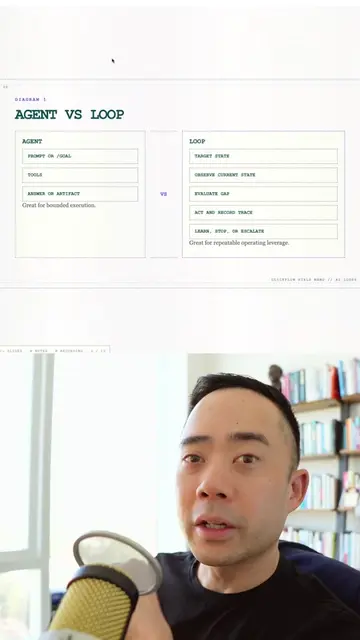
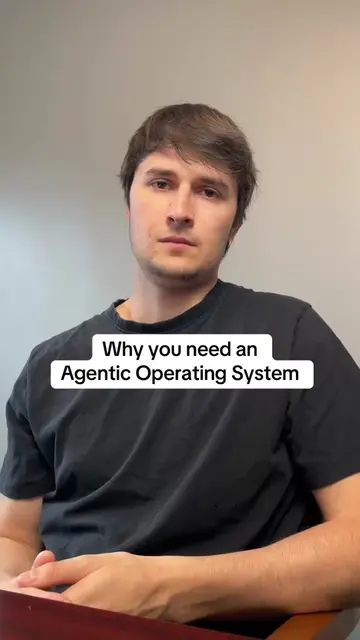
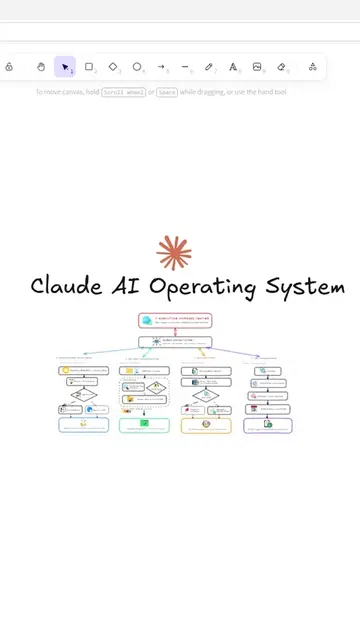
The creator explains the concept of semantic memory in AI agent design by drawing a diagram on a whiteboard. He distinguishes between semantic memory as a knowledge base and tools as actions, while subtly positioning his expertise in the field.
Semantic Memory Explained Semantic memory is one of the most important concepts in agent design and most people building agents right now have never heard of it. It stores factual structured knowledge. An SOP, a process document, a set of rules. Anything that is consistently true about how your business operates. Claude Code accesses that through external memory and uses it as ground truth when making decisions. This is different from a tool. A tool is the action the agent takes, like adding a row in Airtable. Semantic memory is the knowledge that informs why and when to take that action. Keep knowledge in memory. Keep actions in tools. That separation is what makes an agent actually reliable. #ai #Tech #agent #aiforbusiness #businesstipsforyou
Semantic memory is one of the most important concepts in agent design and most people building agents right now have never heard of it.
Define semantic memory
Contrast memory with tools
Explain how AI accesses external memory
Clarify the role of factual knowledge
The creator mentions Claude Code as an example of an AI agent that uses external memory, but the video serves as educational content for his AI Agent Operators community.
Playing this video’s own audio, so you’ll hear the creator over the sound.
Outliers and viral hits: their videos on Overshot, all time.