Loading video…
Sound

original sound - skopx_
Skopx · Original audio
0:00–:––
Playing this video’s own audio, so you’ll hear the creator over the sound.
The video effectively uses nostalgia and a relatable "pain point" of outdated workflows to highlight the need for a modern solution. The contrast between the past and present, coupled with the introduction of a relevant tool, creates a compelling narrative.
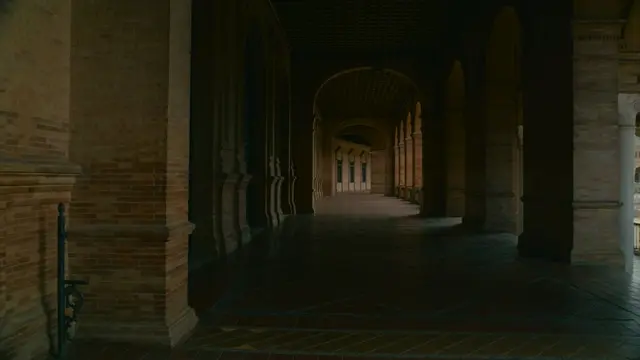
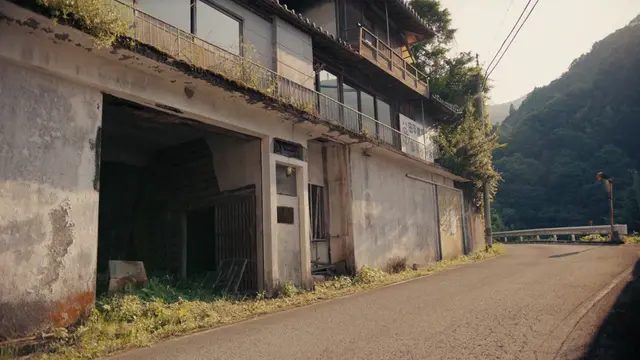
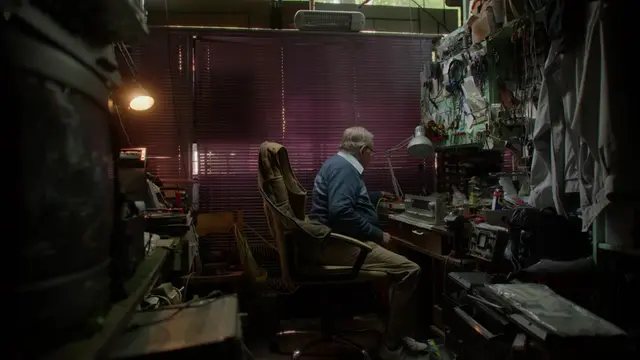
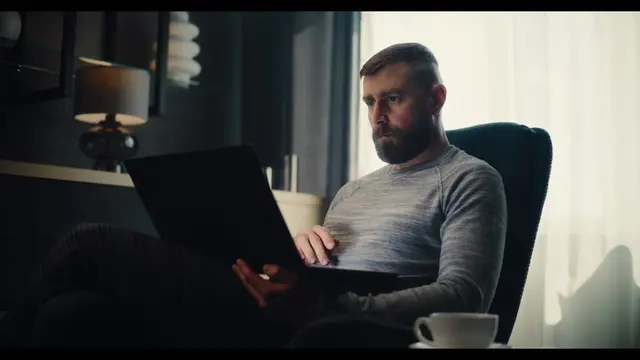
The video contrasts the slow, manual workflows of the 1990s with the modern digital landscape, highlighting how outdated processes persist despite technological advancements. It suggests that this continued reliance on inefficient rituals is detrimental to businesses today.
The computer changed. The internet changed. The office changed. But something strange happened: The ritual survived. Open. Search. Switch. Copy. Paste. Ask someone. Wait. Try again. Psychologically, humans are incredibly good at adapting. Maybe too good. Give us a broken process long enough and we stop seeing it as broken. We call it: “the workflow.” Years ago, McKinsey estimated that knowledge workers were already spending huge parts of the week managing email and searching for information. Today, almost every company is investing in AI. Yet only 1% say they’ve reached AI maturity. Maybe the problem was never that we needed more technology. Maybe we kept putting new technology on top of old behavior. The tools changed. The workflow should too. Skopx. Ask once. Your whole business answers.
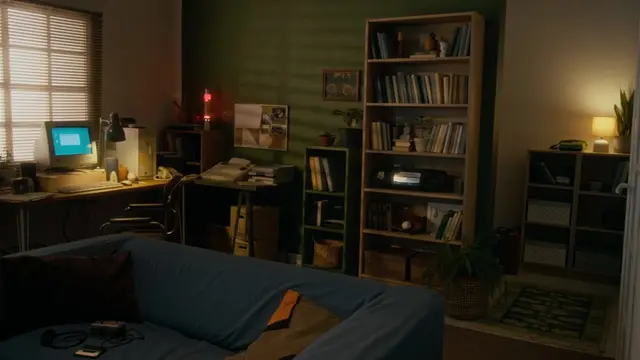
In the 90s
1990s computing setup
Slow processes and internet sounds
Modernized but still manual workflows
The persistence of outdated rituals
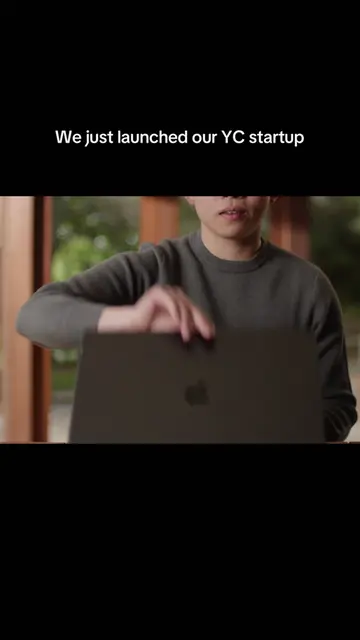
Introduction of Skopx as a solution
Playing this video’s own audio, so you’ll hear the creator over the sound.
Outliers and viral hits: their videos on Overshot, all time.
AI business search tool that connects workplace apps and cites its answers
All time.