Loading video…
Sound

Galactic Portal
Soda Poppy
0:00–:––
- Videos using it
- 45
- Creators
- 16
- Views on those videos
- 4.9M
The video taps into a common concern about online privacy and data tracking by highlighting a specific, exploitable vulnerability in a widely used operating system. The narrative of a hacker being caught due to this tracking mechanism adds an element of intrigue and real-world consequence.
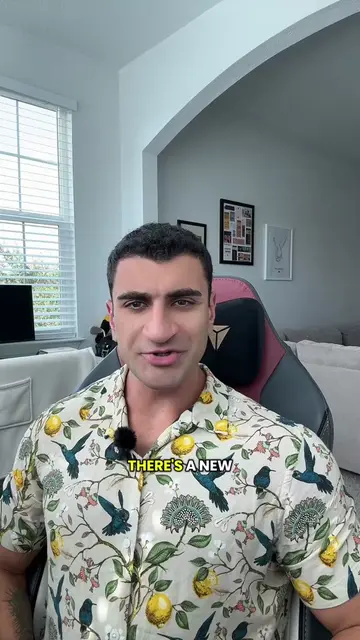
The video explains how Microsoft's Global Device Identifier (GDID), embedded in Windows, can be used to track users even when they use VPNs. It details how a hacker used this to steal data and extort a company, highlighting the lack of transparency and opt-out options for this tracking mechanism.
The FBI caught Peter Stokes through a hidden tracking ID Microsoft assigns to every Windows install. #cybersecurity #microsoft #windows #scatteredspider #infosec
scattered spider member used a VPN,
Introduction to the hacker's methods
Explanation of Microsoft's GDID
How the hacker was caught using GDID
Details of the data breach and extortion
Discussion of privacy concerns and lack of transparency
Microsoft: ACTS - provides the GDID (Global Device Identifier) which is a persistent device-level ID used for telemetry and licensing, baked into every Windows installation. It survives OS updates and IP changes. Removing it would change how Windows tracks users. GDID: ACTS - a persistent device-level ID used for telemetry and licensing, baked into every Windows installation. It survives OS updates and IP changes. Removing it would change how Windows tracks users.
Follow for more, Cyber News.
Promotes 2 products. Create free account to see more.
Outliers and viral hits: their videos on Overshot, all time.
Windows device identifier used for device telemetry and licensing
All time.