Loading video…
All breakouts

6.6Talking HeadHow-To hookOther
Hook
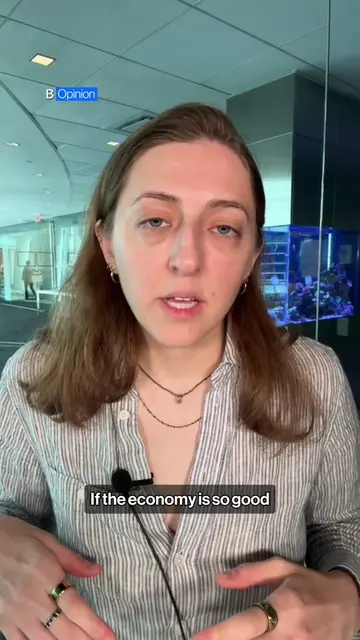
How the gig economy can save Social Security
@bloombergopinion
326.6K followers · usually 3.5K views a post
Views
21.8K
Likes
4.3K
Comments
238
Shares
135
Why it worked
The video addresses a timely and relevant issue concerning the gig economy and Social Security, offering a clear proposal for reform. The speaker's direct and confident delivery, combined with on-screen text to reinforce key points, makes the complex topic accessible and engaging for viewers.
Summary
The video discusses how the current tax structure incentivizes employers to misclassify workers as independent contractors, which harms Social Security's funding. The speaker proposes taxing employers of independent contractors at the same rate as employers of traditional workers to create a more equitable system and ensure the long-term solvency of Social Security.
Structure
- 1Introduction of the problem: taxing independent contractors
- 2Explanation of current tax structure for self-employed individuals
- 3The burden and incentive for self-employed individuals
- 4The role of self-employment in the economy
- 5The problem of misclassification and its impact on Social Security
- 6Proposed solution: equal taxation for employers of contractors and employees
- 7The fairness and long-term benefits of the proposed change
Product placement
The video discusses Social Security taxes and the gig economy, but does not explicitly promote a specific product or service. The 'B Opinion' logo suggests it's a segment from Bloomberg Opinion.
Original caption
There’s a straightforward way to fix one major problem with #SocialSecurity according to @keds_economist . #taxes #contractworkers #gigeconomy
More from @bloombergopinion
Their other posts in the index, biggest breakout first.