Loading video…
All breakouts
4.9OtherHow-To hookEducation
Hook
Creating My First Custom PCB Board
@cocoasaesthetic_
38.5K followers · usually 17.8K views a post
Views
86.5K
Likes
14.3K
Comments
176
Shares
368
Promoted product
custom PCB board
Why it worked
The video taps into the creator's journey of overcoming a technical challenge (learning KiCad and PCB design), which resonates with viewers interested in DIY electronics and personal growth. The clear progression from a messy breadboard to a sleek custom PCB, combined with the creator's relatable struggles and eventual triumph, creates an engaging narrative.
Summary
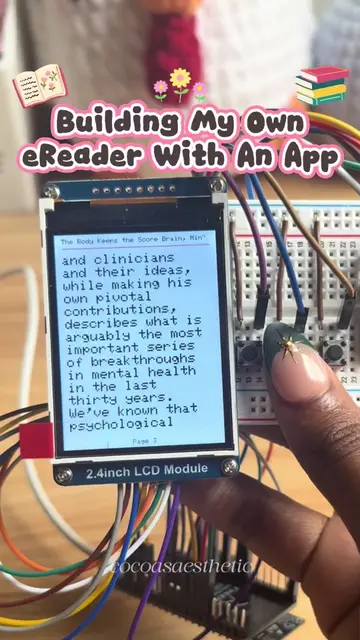
The creator documents their process of learning KiCad to design and manufacture their first custom PCB board for an e-reader project. After successfully soldering and testing the board, they express relief and excitement about moving away from wire-based prototypes.
Structure
- 1Introduction to the project and current limitations
- 2Decision to learn KiCad and design a custom PCB
- 3Utilizing tutorial videos for learning
- 4Designing and ordering the PCB
- 5Soldering components onto the new PCB
- 6Testing and celebrating the successful e-reader prototype
Product placement
KiCad: ACTS - it is used to design a custom PCB board. Removing it would change what happens in the video.
PCBWay: ACTS - it is used to manufacture the custom PCB board. Removing it would change what happens in the video.
ESP32 WROOM: ACTS - it is a component on the custom PCB board and is part of the e-reader project. Removing it would change what happens in the video.
Original caption
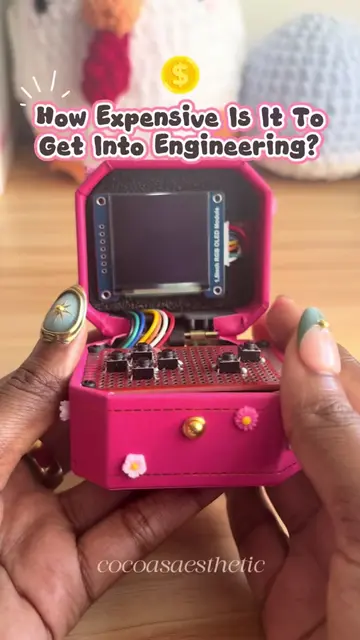
After avoiding learning this skill for years 😅, I’ve finally forced myself to learn KiCad and create my first custom PCB Board! 😄🩷 I’ve always soldered my projects onto a perfboard after having it on a breadboard, and I would kind of just stop there. But I’m so tired of soldering for long hours and dealing with the frustration of trying to hold everything together as I go. 😞 So I learned KiCad and successfully made my first custom PCB for my ereader!! So happy! 😄💪🏾 The board took me 3 days to make but I know the next time I want to make one I absolutely know what I’m doing. 🩷 #Tech #kawaii #stem #code #engineering
More from @cocoasaesthetic_
More breakout videos from this creator.