Loading video…
Sound

original sound - _jennasayquoi
Jenna Jones/1800s History · Original audio
0:00–:––
Playing this video’s own audio, so you’ll hear the creator over the sound.
We didn’t find a product being promoted in this video. Its hook, format and structure below still show why it took off.
Browse products winning on TikTokThe video taps into historical curiosity and corrects misconceptions about the past, specifically regarding the presence and capabilities of Black individuals in historical settings. It leverages a popular media franchise to educate viewers on a lesser-known historical figure.
This video discusses the historical accuracy of a Black doctor character in "Little House on the Prairie." It highlights the real-life story of Dr. George A. Tan, who practiced eclectic medicine in Kansas, treated various communities, and was recognized for his service.
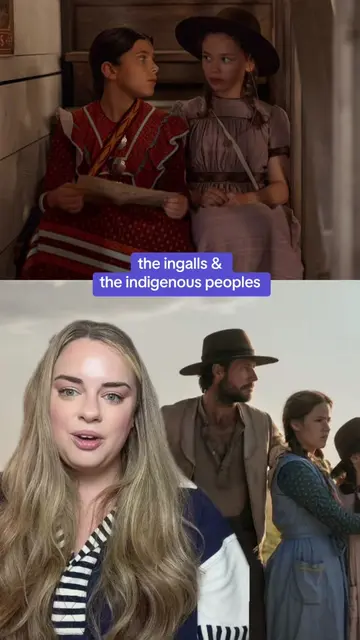
What did you think of the show? I also was glad they focused on the Osage tribe’s plight, although they merely scratched the surface of the atrocities. #historytiktokcontest #littlehouseontheprairie #History #pioneers #netflix
could a Black man actually be a prairie doctor?
Introduction of the question about a Black prairie doctor
Introduction of Dr. George A. Tan and his historical context
Details of his medical practice and land ownership
Discussion of his education and skills
His burial and community recognition
Concluding with a quote about quinine
Playing this video’s own audio, so you’ll hear the creator over the sound.
Outliers and viral hits: their videos on Overshot, all time.