The video effectively breaks down common, often perplexing, dog behaviors into easily understandable explanations, tapping into the strong emotional connection owners have with their pets and providing valuable insights into their canine companions' actions.
Summary
This video explains common and often confusing dog behaviors, such as zoomies, eating grass, staring at nothing, tail chasing, sleeping against owners, head tilting, bringing toys without letting go, sniffing other dogs, and licking faces. It clarifies that these actions are not random but stem from instinct, communication, or emotional needs, often rooted in their pack animal heritage.
Structure
1Introduction to common weird dog behaviors.
2Explanation of zoomies as a release of pent-up energy.
3Reasons for dogs eating grass, including instinct and mild nausea.
4Dogs staring at nothing due to heightened senses.
5Tail chasing as a puppy behavior or a sign of anxiety in adults.
6Sitting on feet as a comfort and protective behavior.
7Head tilting to improve hearing and gain attention.
8
Original caption
15 Weird Dog Behaviors Explained - Stop Ignoring These Signs | #DogBehavior #DogPsychology #DogFacts #DogLovers #DogsAreFamily 🐶❤️
More from @felunepawdecoder
More breakout videos from this creator.
Bringing toys but not letting go as a form of play invitation.
9Sniffing rear ends as a sophisticated form of information gathering.
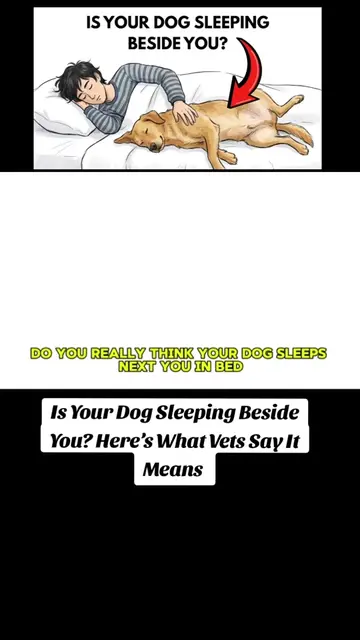
10Sleeping against owners to feel safe and connected to the pack.
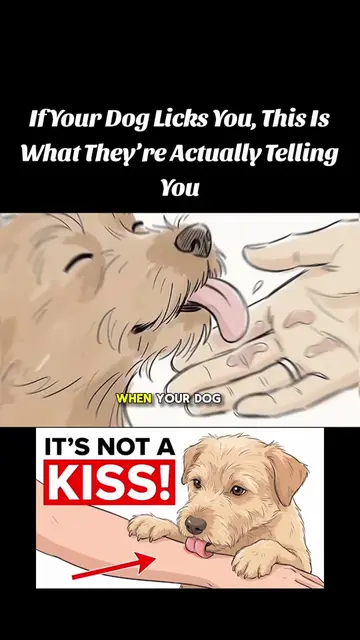
11Excessive licking as a social bonding and affection gesture.
On-screen text
15 Weird Dog Behaviors Explained - Stop Ignoring These Signs
Transcript
Your dog just ate grass, stared at a blank wall for 3 minutes, and then ran laps around your couch for no reason. And you're sitting there thinking, is my dog broken? You're not alone. Every dog owner has that moment where their dog does something so bizarre, so completely random, that it genuinely makes you question what's going on inside that furry little head. Here's the thing: none of it is random. Every single weird behavior your dog has has a reason behind it. And once you understand what that reason is, you'll never look at your dog the same way again. We're going through 15 of the most common weird dog behaviors, explaining exactly what they mean. These explanations come from animal behaviorists, veterinary scientists, and years of studying how dogs actually communicate. Not guesswork, not myth. Real reasons. Let's get into it. Behavior one: Zoomies. You know what I'm talking about. Out of nowhere, your dog bolts, full sprint, living room to hallway, back again, tight circles, tail tucked, pupils wide. Absolute chaos. And then it just stops. You look over, and your dog is sitting on the coffee table, looking at you like nothing happened. This is called frantic random activity period. FRAP. Scientists actually named it. It's a physical release of built-up energy and emotion. Think of it like a pressure valve. Dogs carry a lot of tension, excitement, stress, pure joy of existing. And sometimes their body just has to let it out all at once. You'll notice it most after a bath, right before a walk, or after being inside for too long. It's your dog saying, I have too much going on inside and I need to move. It's completely healthy. Let them zoom. They've earned it. Behavior two: Eating grass. Every dog does it. And every dog owner googles, is my dog sick? Immediately after. Here's what we actually know. Dogs eat grass for a few different reasons. And it's almost never a sign of illness. Sometimes it's instinctive. Their ancestors ate prey that had plant matter in the stomach. And that fiber was beneficial. Sometimes they just like the taste or texture. And yes, sometimes they're mildly nauseous. And the grass helps them vomit and feel better. The old belief was that dogs eat grass to make themselves sick. But studies show that fewer than 25% of dogs vomit after eating grass. Most of them just eat, then carry on with their day. Unless they're eating it obsessively or the grass has been treated with pesticides, it's nothing to worry about. Behavior three: Staring at nothing. You're watching TV. Your dog slowly turns their head toward the corner of the room. Stares. Doesn't move. You look over. Nothing. You look back. They're still staring. What is going on? Dogs can hear frequencies humans can't. They can smell things we'd never detect. What looks like them staring at nothing is almost always them reacting to something. They might be hearing a mouse inside the wall, a pest in the ceiling, or a washing machine on a different floor. Their senses are so much sharper than ours, that they're basically reacting to a whole layer of reality we can't perceive. The next time your dog stares at nothing, there's definitely something. You just can't detect it. Behavior four: Tail chasing. Puppies do it because they haven't fully figured out that the tail is attached to them yet. It's genuinely one of the most entertaining discoveries of their early life. But if an adult dog does it repeatedly, that's a different story. Compulsive tail chasing in adult dogs can be a sign of anxiety, boredom, or in cases, a neurological condition called canine compulsive disorder. If your dog chases their tail and walks away unbothered, it's probably just fun. If it happens constantly and seems distressing, that's worth a conversation with your vet. Behavior five: Sitting on your feet. This one surprises people. It feels clingy, maybe a little dominant. But it's actually one of the sweetest things a dog can do. They're seeking closeness and comfort. They're positioning themselves so they'd feel you move before anyone could get to you. It's not dominance. It's devotion. Behavior six: Head tilting. They tilt, we melt. They get attention. They're not above using it strategically. It works on two levels. First, the physical one. Dogs tilt their heads to reposition their ears and get a better sound fix on something that interests them. It helps them localize where a sound is coming from. Second, they've learned that when they tilt their heads, they get a positive reaction from us. They tilt, we melt. They get attention. They're not above using it strategically. Behavior seven: Bringing you their toy (but not letting go). Your dog runs to get their toy when you come home. They show you, they're so excited. But when you reach for it, they grip tighter. This isn't teasing. It's communication. The toy is a gift. It's how dogs express excitement and affection. They want to share the joy. But giving it away feels like losing the very thing that made the moment special. They want to play. To share the excitement. Not handing over. Behavior eight: Sniffing other dogs' rear ends. We address it directly. A dog's nose has 300 million olfactory receptors. Humans have only 6 million. Dogs can smell sex, age, diet, health status, emotional state, and even recent experiences. When dogs sniff each other there, they're reading a full profile. Sex, age, diet, health status, emotional state, and recent experiences. It's the equivalent of a handshake, a LinkedIn page, and a medical history all in one. We're talking to us, it's weird. To them, it's completely sophisticated. Behavior nine: Sleeping against you. Some dogs sleep at the foot of the bed. Others need to be physically touching you. Back pressed against your legs, head on your stomach, paw resting on your arm. This traces back to pack behavior. Wild dogs sleep in contact with each other for warmth and safety. That instinct hasn't gone away. When your dog sleeps touching you, they're not being needy. They're telling you you're their pack. You're where they feel safe enough to let their guard completely down. Behavior ten: Licking your face (excessively). Some people love it. Some people tolerate it. Either way, it happens constantly. There's also a practical element. Human skin has salt from sweat. And some dogs genuinely enjoy the taste. It's not the most flattering reason, but it's honest. They lick you to show you that you matter to them. They're reinforcing social bonds. They're telling you that you're part of their pack. And they're showing you affection. It's a gesture of joy. But giving it away feels like losing the very thing that made the moment special. They want to play. To share the excitement. Not handing over.