Loading video…
All breakouts

70.4AnimationOther hook
Hook
Polydactyly
@botekilwxj0
20.7K followers · usually 2.8K views a post
Views
191.0K
Likes
5.0K
Comments
136
Shares
152
Why it worked
The video effectively uses clear, simple animations and on-screen text to explain complex biological traits in an easily digestible format. The "part 5" suggests a series, encouraging viewer retention and return for subsequent content.
Summary
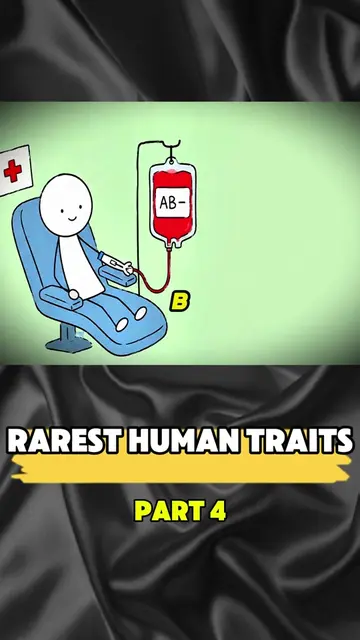
The video discusses various rare human traits, starting with polydactyly (extra fingers/toes) and ectrodactyly (lobster claw syndrome). It then moves to handedness, explaining left-handedness and the rarity of true ambidexterity, linking it to brain symmetry. Finally, it covers anonychia (absence of nails) and hypermobile joints.
Structure
- 1Introduction to polydactyly and ectrodactyly
- 2Discussion of handedness and ambidexterity
- 3Explanation of anonychia
- 4Description of hypermobile joints
On-screen text
Polydactyly
Polydactyly
BORN
OR
ACTUALLY
OCCURRING
1 in 700
TO 1 in 1000
BIRTHS
CASES
JUST
SKIN
BONE
Ectrodactyly
(Lobster Claw Syndrome)
CLAW
WHERE
OR
SPLITTING
FOOT
CLAW
OCCURS
1 in 90,000
90,000
AFFECT
ALL
LIMBS
HANDEDNESS
Left Hand
Right Hand
10%
ABOUT
10%
AMBIDEXTERITY
BUT
AMBIDEXTERITY
EQUAL
PREFERENCE
RATHER
1% of the population
ESTIMATED
1%
RARER
HANDED
AMBIDEXTERITY
LEFT-HANDED
ACTUALLY
SYMMETRICAL
HANDEDNESS
TIED
BEING
MOVING
FULL
GRANTED
anonychia
RARE
CONDITION
BORN
COMPLETE
OF
ABNORMALITIES
LIKE
FINGERS
NAILS
WITH NAILS
PROTECT
FINGERS
PEOPLE
ARE
WITHOUT NAILS
INJURY
THOSE
LIFETIME
JOINTS
OR
HYPERMOBILE
COMMON
HARmless
BEND
WRISTS
EXTEND
Original caption
#rarest #human #DidYouKnow #LearnOnTikTok #fyp
More from @botekilwxj0
Their other posts in the index, biggest breakout first.