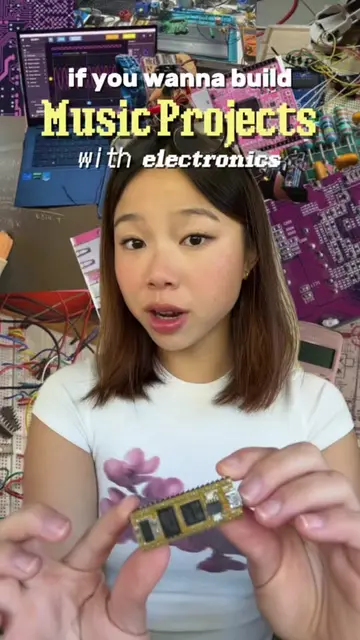
Loading video…
All breakouts
3.4Talking HeadHow-To hookEducation
Hook
electrical engineering projects
@sagecadence_
65.3K followers · usually 20.4K views a post
Views
69.3K
Likes
8.5K
Comments
36
Shares
313
Promoted product
—
Why it worked
The video offers practical, actionable advice tailored to a specific audience (EE students seeking jobs) by breaking down a complex topic into digestible niches and providing concrete examples of tools and project types. The creator's personal experience and clear, concise delivery make the information relatable and trustworthy.
Summary
This video provides advice for electrical engineering students on how to choose projects that will help them get hired. It breaks down EE into three niches (digital, signals, analog) and advises focusing on one to develop employable skill sets, using PCB design with tools like Altium or KiCAD as an example.
Structure
- 1Introduction and personal experience
- 2Breaking down EE into three niches
- 3Explaining each niche and associated job roles
- 4The importance of focusing on one niche
- 5Designing projects around employable skill sets
- 6Example: PCB design with Altium/KiCAD
- 7
Original caption
How to build electrical engineering projects that are good enough to get you a job 🍪 Learnt a few things along my journey & wanted to share it with yall. Hope this helps! #engineeringstudent #electricalengineering #collegestudent #internships #engineeringproject
More from @sagecadence_
More breakout videos from this creator.