Loading video…
All breakouts
167Talking HeadStory Open hookHealth
Hook
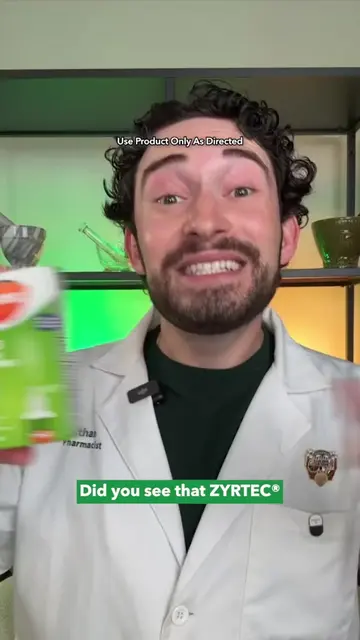
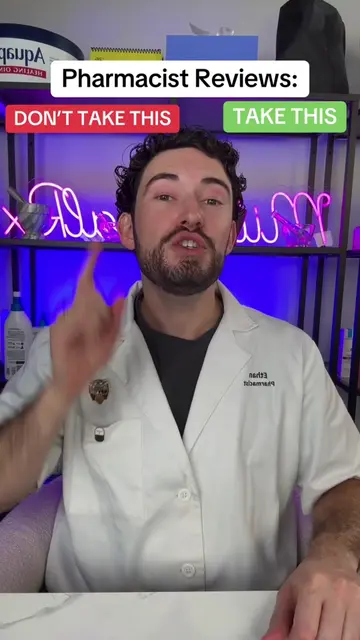
I just stopped for gas on my way home and while I was there I wanted a beverage so I went to go inside.
@millennialrx
677.8K followers · usually 15.8K views a post
Views
2.3M
Likes
204.8K
Comments
3.8K
Shares
20.3K
Why it worked
The video uses a compelling personal anecdote of a child attempting to steal the narrator's wallet to buy the product, immediately establishing the product's addictive nature and potential danger. This narrative hook, combined with the pharmacist's expert explanation of the ingredients' effects on the brain, creates a sense of urgency and trustworthiness, making the warning highly impactful.
Summary
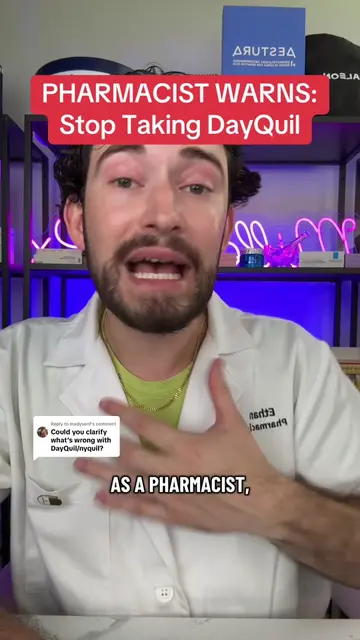
A pharmacist warns about the supplement "Feel Free," which contains Kava and Kratom. He explains that Kava affects GABA receptors similarly to benzodiazepines, while Kratom acts on opioid receptors, mimicking the effects of opioids and potentially leading to dependence and addiction. The pharmacist highlights the danger of these substances being marketed as natural supplements without FDA pre-approval.
Structure
- 1Introduction to a dangerous supplement
- 2Encounter with a child asking for the supplement
- 3
Original caption
That little blue bottle at the gas station is NOT just an energy shot. 👀 Feel Free CLASSIC contains kratom + kava, and kratom contains alkaloids that interact with the same mu-opioid receptors targeted by opioid medications. As a pharmacist, I’m breaking down what’s actually happening in your brain, why repeated use can lead to tolerance, dependence and withdrawal, and why “natural” does NOT automatically mean harmless. Parents especially: this is one product I would know by name. #FeelFree #Pharmacist #SupplementSafety #Kava
More from @millennialrx
More breakout videos from this creator.