Loading video…
All breakouts
6.0Talking HeadHow-To hookHealth
Hook
Azelic Acid Tips from a derm PA
@sighlurskin
207.9K followers · usually 71.2K views a post
Views
386.9K
Likes
30.3K
Comments
446
Shares
646
Why it worked
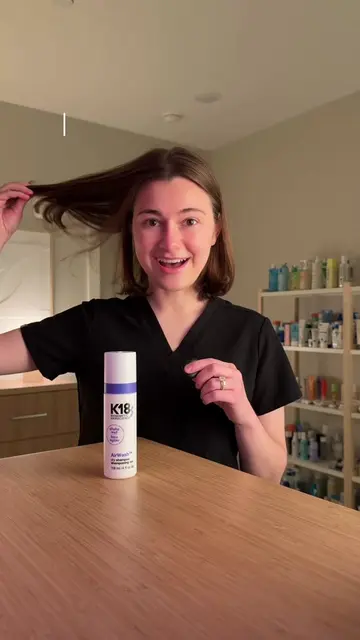
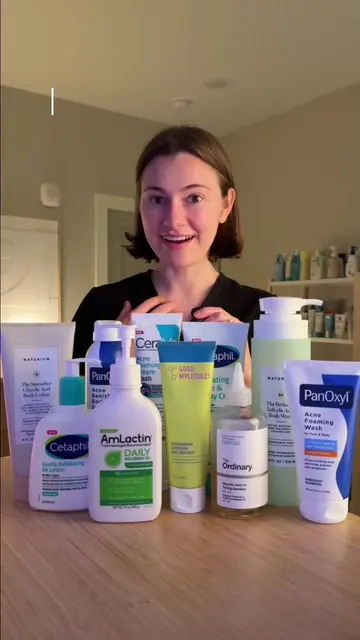
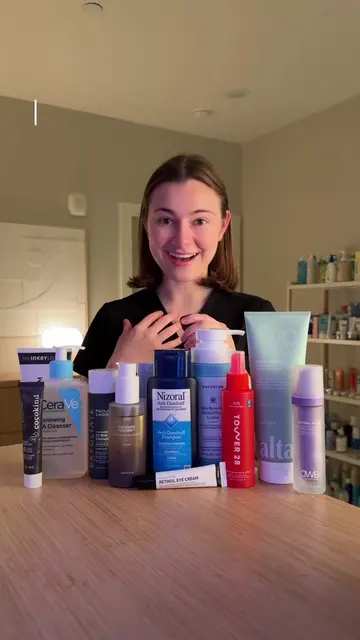
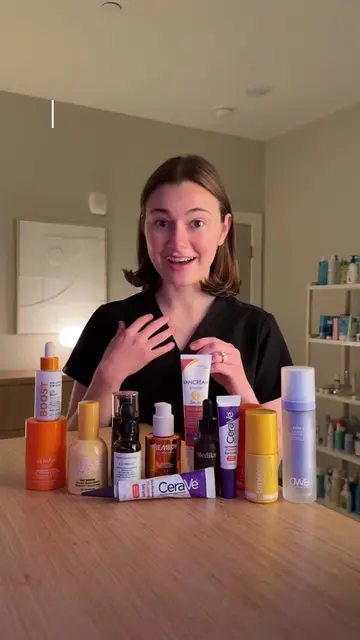
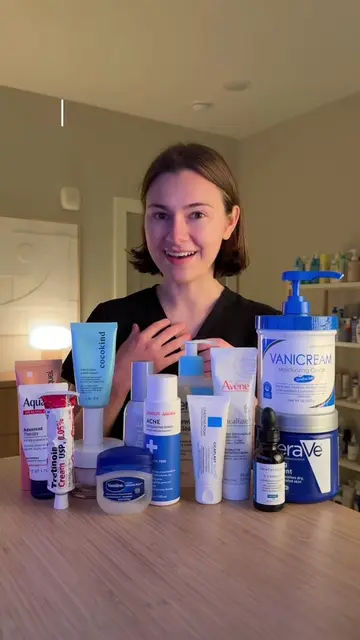
The video provides practical, evidence-based advice on a popular skincare ingredient, delivered by a credible source (a dermatology PA). The use of clear on-screen text and visual aids (product bottles, before/after images) makes the information easily digestible and shareable, appealing to a broad audience interested in skincare.
Summary
This video provides five tips for using azelaic acid, presented by a dermatology PA. The tips cover understanding product formulations, combining azelaic acid with other active ingredients, preparing for potential purging, and managing irritation. The creator emphasizes checking product labels for actual azelaic acid content and suggests strategies for introducing the ingredient into a skincare routine.
Structure
- 1Introduction to azelaic acid and its benefits
- 2Tip 1: Check the label for actual azelaic acid percentage
- 3Tip 2: Understand formula types (gritty vs. smooth)
- 4Tip 3: Combining azelaic acid with other actives
- 5Tip 4: Preparing for and managing acne purging
- 6Tip 5: Managing potential irritation
- 7Conclusion and call to action
Product placement
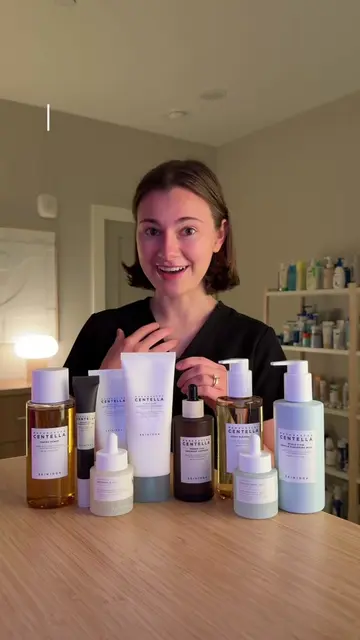
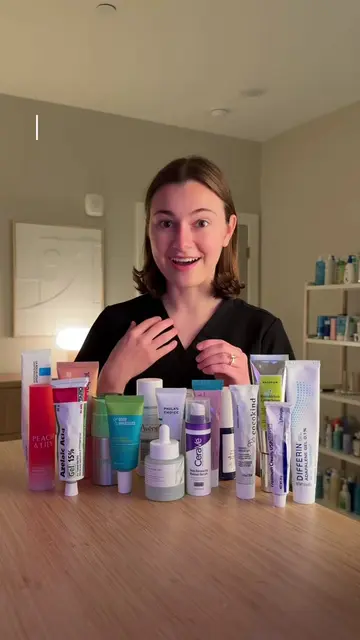
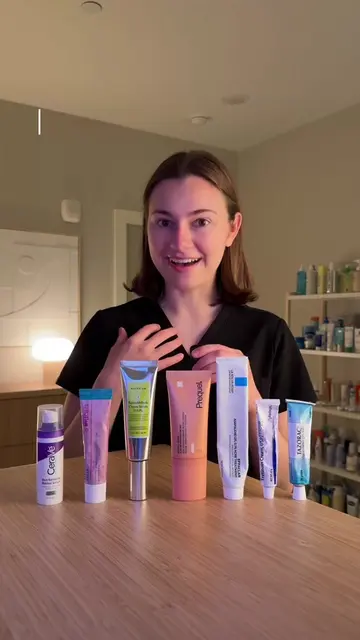
Paula's Choice 10% Azelaic Acid Booster (0.5% SA) ACTS - it is a skincare product that is applied to the face to treat acne and other skin concerns. Removing it would change the video's demonstration of products. Good Molecules 10% Azelaic Acid Treatment ACTS - it is a skincare product that is applied to the face to treat acne and other skin concerns. Removing it would change the video's demonstration of products. The Ordinary Azelaic Acid Suspension 10% ACTS - it is a skincare product that is applied to the face to treat acne and other skin concerns. Removing it would change the video's demonstration of products. SKIN1004 US Madagascar Centella 10% Azelaic Acid Ampoule ACTS - it is a skincare product that is applied to the face to treat acne and other skin concerns. Removing it would change the video's demonstration of products. Experiment Beauty Continuum Daily Multi-Clarifying Treatment (1% SA + 3.7% glycinated azelaic acid) ACTS - it is a skincare product that is applied to the face to treat acne and other skin concerns. Removing it would change the video's demonstration of products. Azelaic Acid Gel 15% (rx on honeydew.com) ACTS - it is a prescription skincare product that is applied to the face to treat acne and other skin concerns. Removing it would change the video's demonstration of products. honeydew.com APPEARS - it is a website mentioned as a source for a prescription product. Removing it would not change what happens in the video, but would remove the source information. sighlur.skin APPEARS - it is a social media handle displayed on screen. Removing it would not change what happens in the video.
Original caption
👇🏻Products listed below - @Paula's Choice 10% Azelaic Acid Booster (0.5% SA) - @Good Molecules 10% Azelaic Acid Treatment - @The Ordinary Azelaic Acid Suspension 10% - @SKIN1004 US Madagascar Centella 10% Azelaic Acid Ampoule - @Experiment Beauty Continuum Daily Multi-Clarifying Treatment (1% SA + 3.7% glycinated azelaic acid) - Azelaic Acid Gel 15% (rx on honeydew.com) #dermpa #physicianassistant #azelaicacid #acne #skincaretips
More from @sighlurskin
More breakout videos from this creator.