Loading video…
All breakouts
3.8Talking HeadContrarian hookLifestyle
Hook
i still shook there are people offended when i called panda express americanized chinese food.
@workingwithmonolids
371.5K followers · usually 61.4K views a post
Views
181.1K
Likes
23.9K
Comments
169
Shares
47
Why it worked
The video likely resonated due to its controversial and opinionated take on cultural appropriation and food adaptation, sparking discussion and engagement in the comments section.
Summary
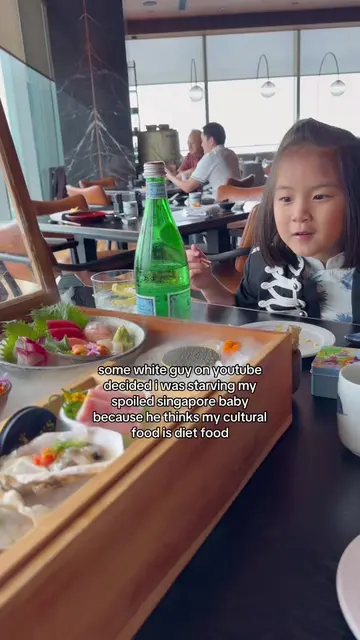
The creator expresses surprise that people are offended by calling Panda Express "Americanized Chinese food," arguing that businesses adapt to local tastes to survive. She then describes eating "Indonesianized sushi" with a spicy green chili topping, stating that no Indonesian would claim it as authentic Japanese.
Structure
- 1Creator expresses surprise at offense over "Americanized Chinese food" label for Panda Express.
- 2Creator argues businesses adapt to local tastes.
- 3Creator describes eating "Indonesianized sushi" with spicy topping.
- 4Creator states no Indonesian would claim it as authentic Japanese.
Product placement
Panda Express: ACTS - mentioned as an example of a business adapting to local tastes. Removing it would change the example.
Indonesianized sushi: ACTS - the creator is eating and describing it. Removing it would change the description of the food.
Japanese: APPEARS - mentioned as a cuisine type. Removing it would not change what happens in the video.
On-screen text
i still shook there are people offended when i called panda express americanized chinese food. it doesn't matter if its run by chinese americans, every business adapts to local tastes to survive. i'm eating indonesianized sushi with green chilli topping spicy enough to be illegal in denmark & no indonesian will try claiming this as authentic japanese.
Original caption
businesses adapt to the local markets to survive.
More from @workingwithmonolids
More breakout videos from this creator.