Loading video…
All videos Locked — part of Pro; create a free account to start.Open on TikTokPro
No preview available yet
Views
1.8M
Likes
87.0K
Comments
126
Shares
635
Engagement
4.9%
of views
2.4xthis account’s usual viewsViral hit (100K+ views)
This video1.8MUsual views880.4K
The product
Not selling anything
No product promoted
We didn’t find a product being promoted in this video. Its hook, format and structure below still show why it took off.
Browse products winning on TikTokThe creator
We’re still analyzing this post.
Original caption
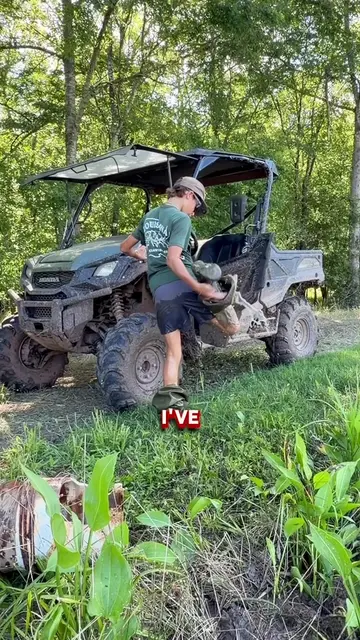
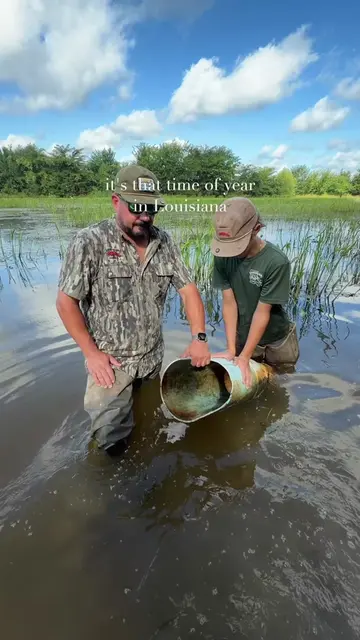
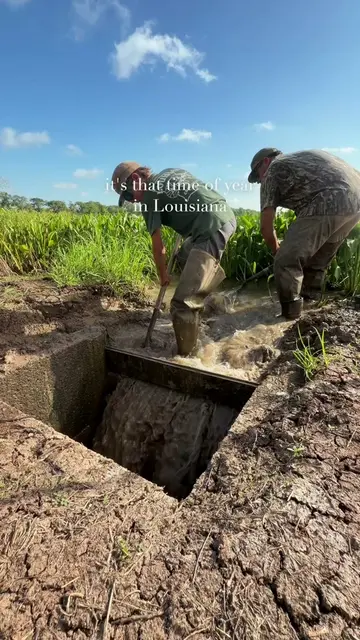
The bottom may look dry from the levee, but underneath that crust can still be soft enough to bury a tractor. We need the mud to dry until the ground can support the equipment without sinking, cutting deep ruts, or making the repair job worse. And this nearly never happens on the schedule you want. The pond gets close. You start thinking it may finally be ready to disc. Then Louisiana gets another rain, the low spots fill back up, and the clock starts over. Sometimes that happens two or three times before we get enough dry weather to work. That delay affects more than the tractor schedule. Discing is the first step toward breaking up the hardened pond bottom, repairing the damage left by crawfish boats, smoothing the ground, and preparing a proper seedbed for next year’s forage. On our farm, that forage is sorghum-sudangrass. Other farms may plant rice. Either way, timing matters. LSU AgCenter recommends planting rice forage in early August and sorghum-sudangrass in late August in South Louisiana. Good stands are easier to establish in well-tilled ground, while saturated soil and standing puddles can hurt young plants. LSU AgCenter So every rain delay takes days away from the forage crop. Less growing time can mean less plant material before flood-up. Once flooded, that vegetation begins breaking down and helps fuel the microorganisms and small invertebrates the crawfish depend on for food. That is the frustrating balance. We need rain after planting to help the crop grow, but first we need enough dry weather to get the tractors in, repair the pond, disc the ground, smooth it, and plant it. You wait for the mud to dry. It rains. You wait again. Then when the window finally opens, you work as fast as the ground will let you.