Loading video…
All videos Locked — part of Pro; create a free account to start.Open on TikTokPro
No preview available yet
Views
2.8M
Likes
107.8K
Comments
290
Shares
742
Engagement
3.9%
of views
3.8xthis account’s usual viewsOutlier · Viral hit (100K+ views)
This video2.8MUsual views880.4K
The product
Not selling anything
No product promoted
We didn’t find a product being promoted in this video. Its hook, format and structure below still show why it took off.
Browse products winning on TikTokThe creator
We’re still analyzing this post.
Original caption
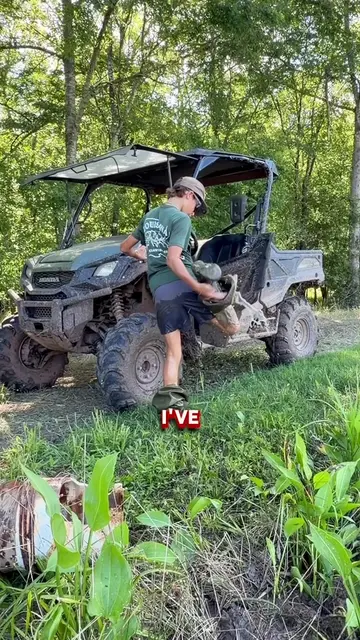
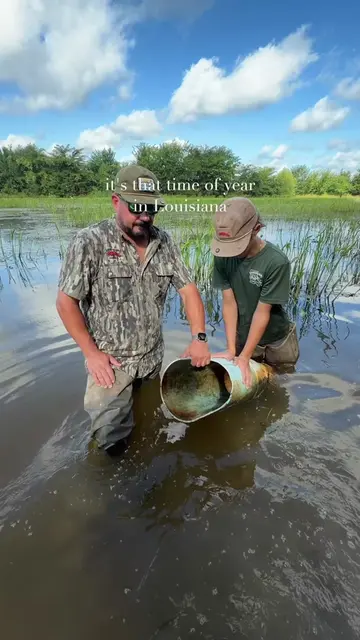
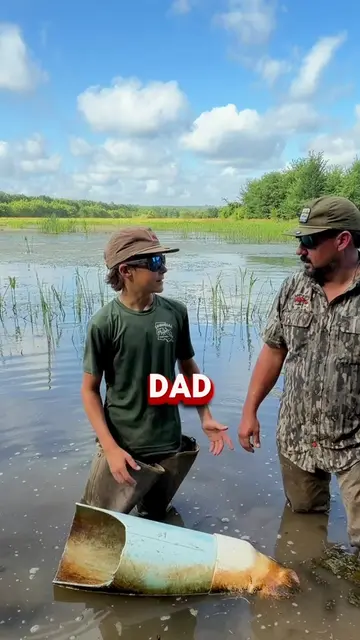
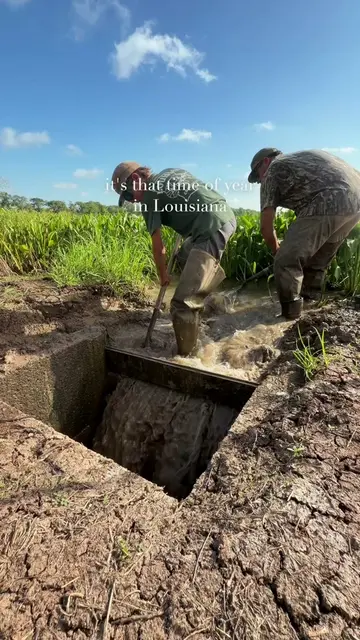
🦞 What’s actually inside a crawfish burrow, and why do crawfish build them? Crawfish burrows are a huge part of the Louisiana crawfish life cycle. They’re not just holes crawfish disappear into when the ponds dry up. As water levels fall, crawfish dig down into the soil where moisture remains. Their gills have to stay moist to function, so the humid burrow allows them to survive for months even when there is little or no standing water above ground. Most Louisiana red swamp crawfish burrows are pretty simple. Usually it’s one nearly vertical, unbranched tunnel, commonly around 40 inches deep or less, although depth varies with soil and moisture conditions. At the bottom, you may find standing water or wet, slushy mud. And those mud “chimneys” around the entrance? That’s largely dirt the crawfish excavated while digging. The entrance may eventually be plugged with mud, helping hold moisture inside. But burrows are also extremely important for reproduction. Mature crawfish generally mate in open water before the female enters her burrow. She can store the sperm while her eggs continue developing. Inside the burrow, she eventually releases the eggs, which are fertilized as they come out and attach underneath her abdomen. The hatchlings stay attached to their mother through their first two molts. Then when rain returns or we flood the ponds again, the mud plug softens and the crawfish begin emerging. Females may come out carrying young, or occasionally still carrying eggs, and that next generation begins moving into the flooded pond. That’s why an empty crawfish pond really isn’t empty at all. While we’re above ground repairing levees, working the pond bottoms, and planting forage, a huge part of next season’s crawfish cycle is happening underneath our feet. The pond might look empty. But, it definitely isn’t.