Loading video…
Sound

original sound - quietcanines
Michael · Original audio
0:00–:––
Playing this video’s own audio, so you’ll hear the creator over the sound.
We didn’t find a product being promoted in this video. Its hook, format and structure below still show why it took off.
Browse products winning on TikTokThe video likely resonated due to its direct commentary on a recent, controversial event involving law enforcement and an Indigenous person, tapping into ongoing discussions about historical injustices and systemic issues within policing.
The video discusses the historical role of the RCMP in controlling Indigenous populations and enforcing colonial policies, linking past actions to a recent incident where an Indigenous woman was allegedly punched and tased during an arrest. It highlights the legacy of violence and cultural suppression associated with the RCMP's history.
The RCMP’s History Still Shapes Policing in First Nations Communities A Saskatchewan arrest raises a question rooted in the force’s colonial past Video recorded at Makwa Sahgaiehcan First Nation on July 27, 2026, shows an RCMP officer punching Rose Georgina Angus, an Indigenous woman, several times in the face while another officer uses a Taser against her. The RCMP says Angus punched two officers and resisted arrest. She faces six charges, including two counts each of assaulting and resisting police, plus obstruction and cocaine possession. After reviewing footage from cameras worn by the officers, the RCMP initially concluded that its officers used reasonable force. Saskatchewan’s Serious Incident Response Team is now investigating the officers’ actions under its mandate to act in the public interest. The North West Mounted Police, the RCMP’s predecessor, was created in 1873 as Canada extended federal control across the Prairies. Federal policies forced many First Nations on the Prairies onto reserves, while Mounties enforced restrictions that confined them there. Under the pass system, First Nations people needed written permission from an Indian agent to leave a reserve. Government lawyers recognized the system as illegal by 1892, yet Mounties continued applying it into the 1930s. The force also enforced attendance at residential schools. RCMP members served as truant officers under the Indian Act, searched for children who fled, forcibly removed some children from their homes and fined parents for their children’s absence. About 150,000 Indigenous children were separated from their families through the system, which the Truth and Reconciliation Commission described as cultural genocide. The RCMP’s own 2011 report concluded that its participation contributed to distrust among Indigenous people. My question for you is: should an institution that enforced confinement and family separation continue policing First Nations communities, or should governments transfer authority and stable resources to police services governed by the nations themselves? Let me know on Substack if you want me to make a separate video detailing the use of force training I received from the RCMP. Link in bio. 👆
RCMP TASERED AND PUNCHED FIRST NATIONS WOMAN
Introduction of the speaker's identity and connection to the RCMP
Description of the incident involving the Indigenous woman
Historical context of the RCMP's role in controlling Indigenous communities
Discussion of specific policies and actions taken by the RCMP
Conclusion on the importance of understanding this history
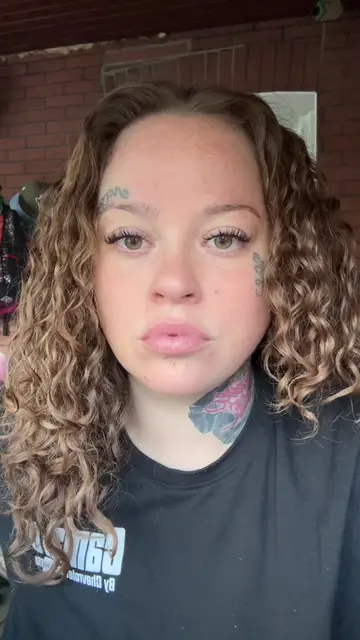
RCMP (Royal Canadian Mounted Police) - acts: law enforcement, policing, and historically, control of indigenous populations. Removing it would change the video's subject matter. HUSKY (on hat) - appears: brand name on clothing. Removing it would not change the video's subject matter.
Playing this video’s own audio, so you’ll hear the creator over the sound.
Outliers and viral hits: their videos on Overshot, all time.