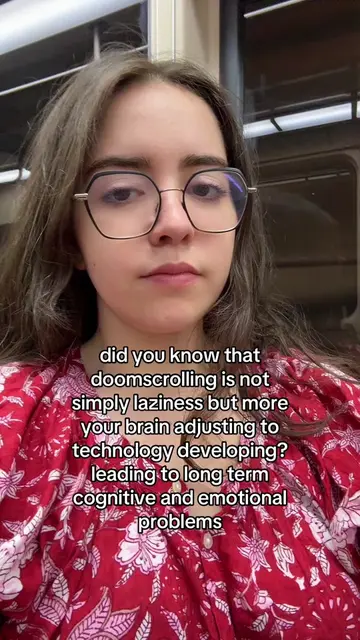
Loading video…
The creator

@ruthguest1
Ruth Guest · 6.5K followers · 228.9K likes
Usual views
1.1K
Outliers
7
Viral hits
4
Outliers and viral hits: their videos on Overshot, all time.
We didn’t find a product being promoted in this video. Its hook, format and structure below still show why it took off.
Browse products winning on TikTokThe video effectively explains a common, relatable online behavior (lurking) by referencing psychological research and differentiating between active and passive social media use. This provides valuable insights into user behavior without promoting a specific product, making it shareable and informative.
The video discusses the psychology of lurking on social media, explaining that it's a common behavior not unique to the internet age. It highlights research indicating that privacy concerns and social network fatigue are key drivers of lurking. The speaker differentiates between active social media use, which correlates with positive feelings, and passive use (lurking), which correlates with negative feelings.
The #psychology of #lurking on social media #cyberpyschology #mediaphilosophy #communication
Outliers and viral hits: their videos on Overshot, all time.
Psychology of lurking on social media
Introduction to the phenomenon of lurking on social media
Explanation of lurking as a common behavior throughout internet history
Research findings on privacy and social network fatigue as drivers of lurking
Distinction between active and passive social media use and their psychological effects
Conclusion that lurking is a passive state, not an active decision, and is contextual to the individual
Instagram Stories (app): used to post content that users can view. Removing it would change what happens in the video as it is the subject of discussion. TikTok (app): used for self-presentation and content creation. Removing it would change what happens in the video as it is the subject of discussion. Facebook (app): used for social media usage. Removing it would change what happens in the video as it is the subject of discussion.

Playing this video’s own audio, so you’ll hear the creator over the sound.