Loading video…
All breakouts
159Talking HeadDirect Question hookFinance
Hook
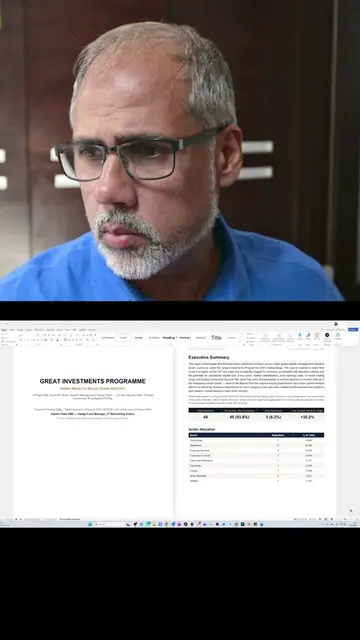
How should you change your pension investments as retirement approaches?
@greatinvestments
489.2K followers · usually 894 views a post
Views
212.7K
Likes
107
Comments
2
Shares
9
Promoted product
Great Investments Programmehttps://www.alpeshpatel.com/links ↗
Why it worked
The video provides practical, actionable advice on retirement planning using a clear three-bucket strategy, addressing a common concern for viewers. The use of a calculator and the offer of free tools create tangible value and encourage engagement.
Summary
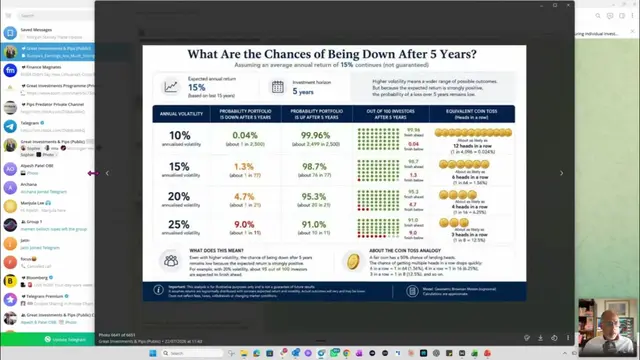
The video explains a three-bucket strategy for retirement investing to mitigate sequence-of-returns risk. It advises holding 12-24 months of expenses in cash, 1-3 years in defensive reserves, and the remainder in growth assets for the long term. The creator also promotes free tools on campaignforamillion.com for users to test their retirement scenarios.
Structure
- 1Introduction to retirement investment changes
- 2Explanation of sequence-of-returns risk
- 3Presentation of the three-bucket strategy (Cash, Defensive Reserve, Long-Term Growth)
- 4Discussion on the risks of holding too much cash and the volatility of bonds
- 5Demonstration of a retirement planning calculator and its results
- 6
Original caption
How should you change your pension investments as retirement approaches? The five years before and after retirement can be particularly important. A market fall is unpleasant while you are accumulating, but it can be far more damaging when you are simultaneously withdrawing money. This is known as sequence-of-returns risk. In this video, I explain a practical three-bucket retirement strategy: 1. **Cash:** approximately 12–24 months of the withdrawals you expect to need 2. **Defensive reserve:** potentially another 1–3 years in money-market funds, short-dated gilts or high-quality short-duration bonds 3. **Long-term growth:** the remainder invested for the decades ahead Retirement does not mean abandoning growth investing. Someone retiring at 57 may need their pension to last for 30 years or more. Moving everything into cash or bonds may reduce immediate volatility, but it creates other dangers: inflation, poor long-term growth and the risk of outliving your money. I also explain why not every government bond is automatically “safe”, why long-dated bonds can be surprisingly volatile, and why your investment strategy should reflect when you will actually need each portion of the money. Try my free retirement-planning tools: Portfolio Stress Test: Safe Withdrawal Rate Calculator: https://www.campaignforamillion.com/tools You can also request a free educational pension and portfolio review through the Campaign for a Million website. This content is provided for education and information only. It is not personal financial, tax or pension advice. Investments can fall as well as rise, and past performance does not guarantee future returns. #Pension #RetirementPlanning #PensionDrawdown #InvestingForRetirement #SequenceOfReturnsRisk #SIPP #UKInvesting #FinancialEducation #InvestmentStrategy #AlpeshPatel
More from @greatinvestments
More breakout videos from this creator.