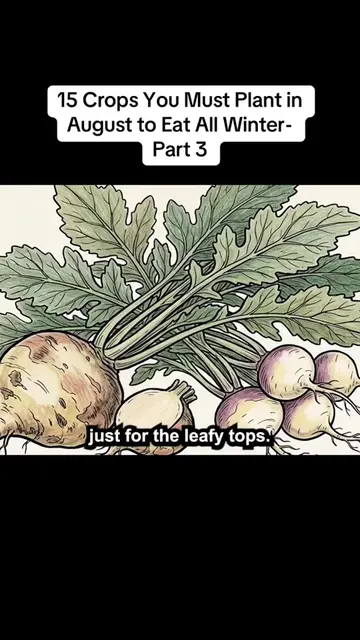
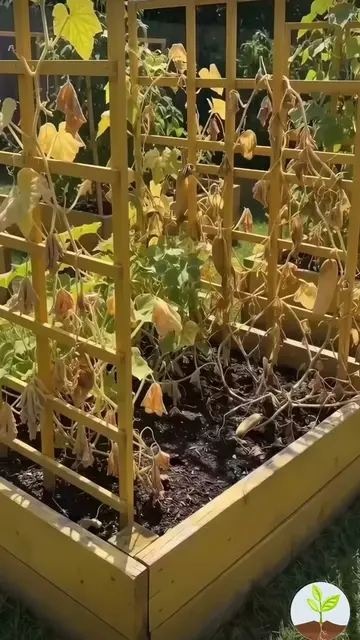
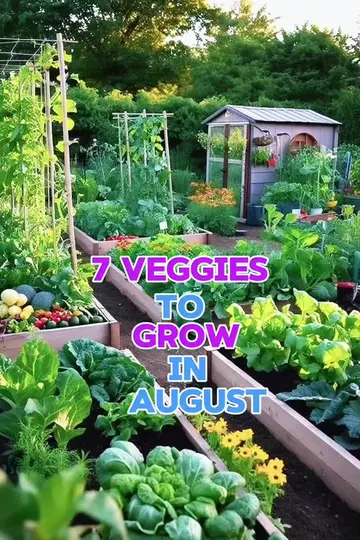
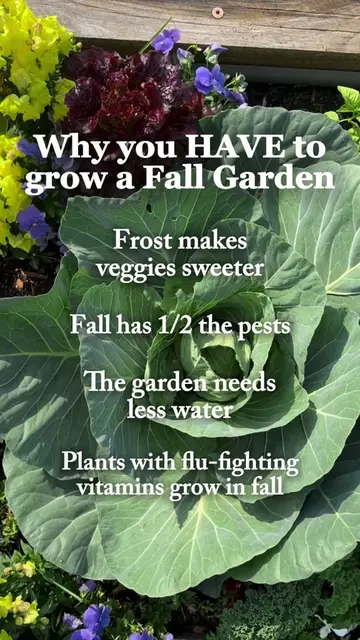
Right now in August, most gardens are winding down. The tomatoes are in the zucchinis, gone mad, and people start letting the beds go. Year is basically over. That is the single most expensive mistake in the whole gardening calendar. What you plant in these next few weeks is what stands between you and an empty garden all winter. 15 crops in the ground before the month is out, and you'll be pulling fresh food out of the cold when everyone else is buying it. Let me show you exactly what to plant. If growing your own food through the winter is something you care about, take a second and subscribe before we get into it. That's all I'll ask. First, let me tell you why. August is the month everyone wastes because if you understand this, you'll never let a garden go quiet again. There's a number every gardener needs, and almost nobody knows your first frost date. That's the average date the cold arrives where you live, and it's the clock. Everything in this video runs on. Look it up once, write it on the wall. And every planting decision this fall gets easier. You can find it in seconds. It's tied to your area and it barely moves from year to year. Everything I'm about to tell you is really a countdown to that one date. Count back the weeks. A crop needs to mature, and that tells you the last day you can safely sow it. It sounds fussy, but do it once and the whole fall plants itself. Here's the thing most people never work out. A lot of crops don't actually need summer to finish. They need to be big enough before the cold slows them down, and then they'll sit through the cold holding, sometimes even sweetening, waiting for you to pick them. But they only do that if you get them in now. In August, while there's still enough warmth and daylight to put on size, plant them in October and they're too small. The window is now, and it's narrower than people think. A couple of weeks either side makes the difference between a full winter garden and a row of plants that never sized up. That's the whole reason I'm making this video in August until the beds look empty. So we're going to go through 15 of them. I've split them into four groups: the fast greens, the roots, the crops that stand right through winter, and the ones you plant get a jump on spring state to the end, because the last group is the one almost nobody thinks about in August, and it's the one that has you eating in early spring while your neighbors are still waiting on their seed catalogs. Let's start with the fast greens. The first group is the quick, leafy crops, and their first for a reason. They're forgiving. They're fast, and they'll give you something to eat within weeks while the slower crops are still getting going. Number one is spinach. If you plant one thing after watching this, make it spinach sown in late summer. It comes up fast in the cooling soil. And here's what people don't realize. Spinach actually turns sweeter after a frost. The cold triggers it to concentrate its sugars as a kind of antifreeze, so the leaves you pick in the cold are better than anything you grew in spring. Give it a little cover, thrown over on the coldest nights, and it'll hold in the garden for months, standing there fresh and green while the rest of the plot is bare, so it now thin it to give each plant a little room and start picking the outer leaves. As soon as they're big enough, leave the center and one row will feed you for a long, long time. Number two is lettuce. But be smart about which kind. Forget the tight, crisp heads for a fall planting. You want the loose leaf and butter head types. The cut and come again kind where you take the outer leaves and the plant keeps making more, so now in the fading heat. It germinates far better than it did in the heat of high summer. One planting picked the right way will feed you for weeks. The mistake people make is cutting the whole head at once. Take the outer leaves, leave the heart and the same plants keep giving. Number three is arugula, and this is the one that will surprise you with how fast it moves from seed to your first leaves in around four weeks, sometimes less. It loves cool weather. It practically grows itself, and if you let a few plants go to seed, it'll plant next year's crop for you without you lifting a finger. So a short row every couple of weeks and you'll never run out. And here's a tip most people miss: arugula that grows into cool fall weather is milder. Fall weather is milder.