just for the leafy tops.
Number nine is radishes.
And there are two kinds to think about here.
The little salad.
Radishes are the fastest crop in this entire video, some ready in 3 to 4 weeks, so they're perfect for filling gaps and getting a quick win.
But it's the big winter radishes, the daikon types in the black Spanish kind that really matter for winter, because those store for months and give you real substance in the cold plant, both the small ones for now, the big ones for later.
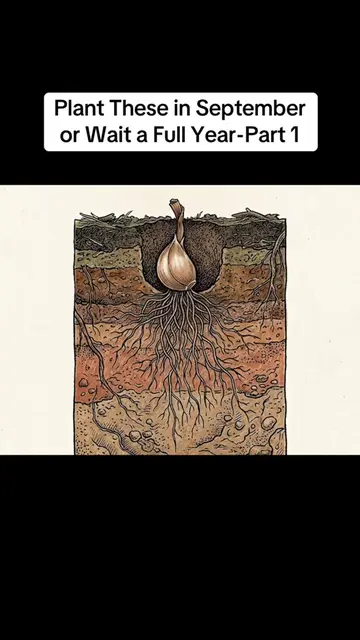
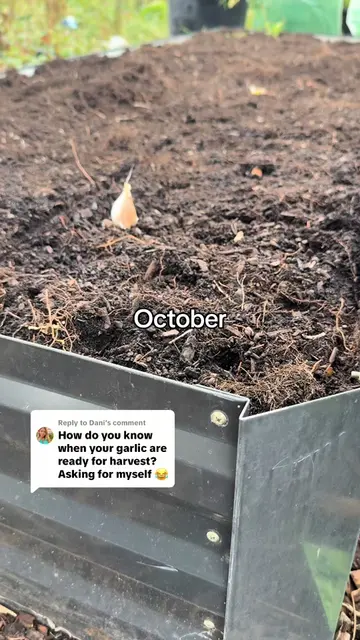
Number ten is garlic, and this one's different from everything else on the list, so pay attention.
You don't plant garlic to harvest this year.
You plant it in the fall.
It sits through winter, putting roots down and it's ready next summer.
And homegrown garlic is so far beyond the tired bulbs in the store that once you grow your own, you'll never stop.
Get a proper seed garlic, break it into cloves and plant each clove, pointy end up a few inches down.
The trick most people miss.
Get it in a few weeks before your ground freezes so it roots well before the cold shuts it down.
It's the single easiest thing in this video and the most rewarding next year.
Choose a hard neck type.
If your winters are cold, it's tougher and it gives you a bonus crop of garlic scapes in spring.
On top of the bulbs, space the cloves a good hands width apart so each one has room to swell into a full head and plant far more than you think because you'll wish you had.
Mulch over the top once it's in, and that's genuinely all it needs until summer.
That's your storage routes between the greens and the roots.
You're already most of the way to a full winter garden, but there's a group of crops built specifically to stand out there in the worst of it.
And those are next quick thing before we go on and then straight back to it.
If this is useful, a subscribe genuinely helps the channel more than you'd think, and it means the next one comes straight to you.
Now, the crops that actually stand through winter.
This third group is the true cold hardy crops.
The ones that don't just tolerate winter but stand right out in it, holding in the garden as living food you harvest whenever you need it.
This is the heart of a real winter garden, the ones that genuinely work.
These aren't the crops that need pampering or a heated greenhouse.
These are the tough old vegetables that shrug off frost and stand in an open bed while snow sits on the ground around them.
Number 11 is Swiss chard, and chard is the crop that refuses to quit.
Plant it now and it'll produce right up until the hard cold.
Take a knock and then throw out fresh new growth.
The moment things ease.
It's tougher than spinach.
It keeps going longer, and a few plants give you a steady supply of leaves over a very long season.
It also happens to be one of the best looking things in the garden, if that matters to you.
Number 12 is leeks, and if you only add one new crop to your winter garden this year, I'd make the case for leeks.
They stand in the ground through the hardest frost, completely unbothered, and you dig them fresh whenever you want them.
In the depth of winter in the snow, still perfect.
Nothing else gives you substantial vegetable straight from frozen ground.
A leek doesn't store on a shelf the way a root does.
It stores standing in the soil alive, which means it stays perfect for as long as it's out there.
No cellar required.
Plant them now while they've got time to thicken up, and they'll stand there like soldiers all winter waiting for you as they grow.
Pull a little soil up around the stems, the long white shank.
That's the best part of the plant.
Number 13 is parsnips, the crop that demands patience and pays it back completely.
They're slow, that's the honest truth.
But a parsnip left in the ground until after a few hard frosts turns intensely sweet and nutty, a flavor you simply cannot buy.
This is proper winter survival food, the kind of dense, filling root that actually sustained families through the cold months.
Get them in the ground now.