The video effectively combines educational content about a critically endangered species with a compelling conservation story, featuring a clear call to action and highlighting the impactful work of relevant organizations. The use of visuals, including maps and footage of the animals, enhances engagement.
Summary
This video explains the Banteng, a critically endangered species, and its evolutionary history. It highlights the conservation efforts of Rising Phoenix and the financial support from The Colossal Foundation to reintroduce Banteng into protected areas in Cambodia, showcasing the challenges and successes of these initiatives.
Structure
1Introduction to the Banteng and its evolutionary history.
2Explanation of Banteng social structures and sexual dimorphism.
3Discussion of the Banteng's critically endangered status and the threats they face.
Original caption
Saving Cambodia’s Banteng | A doomed forest, a bunch of people that care about animals, a helicopter, and a population saved from the edge. What is the banteng, how is it related to modern cattle, why are they critically endangered, and how is the Colossal Foundation’s Species Reintroduction Fund helping support Rising Phoenix as they work against time to save the banteng? #animals #conservation #endangered #cambodia #learning
More from @zekedarwinscience
More breakout videos from this creator.
4Highlighting the conservation work of Rising Phoenix and The Colossal Foundation.
5Detailing a specific reintroduction operation in Cambodia.
6Concluding with the importance of funding and ongoing conservation efforts.
Product placement
Rising Phoenix (conservation organization) - acts to conserve endangered species and their habitats, and is involved in reintroducing animals to protected areas. This is promotional as their work is shown to be active and impactful. The Colossal Foundation (organization) - funds conservation projects, including reintroduction projects, and has a Species Reintroduction Fund. This is promotional as their funding is shown to be active and impactful. JC Eames (photographer) - credited for an image. This merely appears and does not affect the video's content.
Call to action
Follow @Colossal and our partners on social media. Help us spread the word—hope is never extinct!
On-screen text
THE
BANTENG
AT FIRST GLANCE
SAVING THE
BANTENG
RISING PHOENIX +
THE COLOSSAL FOUNDATION
BUT IT'S NOT
IT'S ACTUALLY A
CRITICALLY ENDANGERED
SPECIES
AND ITS ANCESTORS
DIVERGED FROM THE
ON TO THE
AUROCHS
THE ANCESTORS OF
TAURINE CATTLE
AROUND 800,000 YEARS
WHILE THE AUROCHS
LINEAGE CONTINUED EVOLVING
ACROSS THE FORESTS
OF EURASIA
THE BANTENG LINEAGE
THEIR COUSINS
WERE EVOLVING IN
THE TROPICAL FORESTS
OF SOUTHEAST ASIA
ISLANDS
THEY'RE AROUND THE
YOUR TYPICAL CATTLE
BUT THEY LIVE
IN VERY DIFFERENT
SOCIAL STRUCTURES
SMALLER HERDS
REACHING UPWARDS OF
20 TO 40
MEMBERS ON THE
LARGER END
THERE'S ONE MALE
SURROUNDED BY LOTS
OF FEMALES
AND THE SPECIES
IS EXTREMELY SEXUALLY
DIMORPHIC
THEY WERE FIRST
THE MALES AND
FEMALES
Weren't RECOGNIZED AS
BELONGING TO THE
AT ALL MALES
ARE DARK
REDDISH COLOR
AND THEY BOTH
PATCHES ON THEIR
BUTTS
WITH WHITE STOCKINGS
THESE TRAITS
MAY HELP HERDS
STAY TOGETHER IN
THE DARK FORESTS
TROPICAL FORESTS
AND THEIR ABILITY
NOCTURNAL LIFESTYLE
WHEN NEEDED
THE LAST KNOWN AUROCHS WAS
PROTECTED IN POLAND'S JAKTORÓW
FOREST. IT DIED IN 1627.
THEM PERSIST
LONGER THAN THEIR
WILD AUROCHS
COUSINS
THEIR SAFETY IS
DISAPPEARING
LAST TWO DECADES
THE WILD BANTENG
POPULATION HAS DROPPED
MORE THAN 80%
80+%
LEADING TO THEM
TO THE CRITICALLY
Conservation status
EXTINCT
THREATENED
LEAST
CONCERN
EX EW CR EN VU NT LC
Critically Endangered (IUCN 3.1)
IN 2024 IN
CAMBODIA
FOR EXAMPLE
HABITAT FRAGMENTATION
AN IMPORTANT KEYSTONE
BUT THE POPULATION
IS IN DANGER
OF A SILENT
THE KIND THAT
WHEN POPULATIONS ARE
TOO FRAGMENTED FROM
EACH OTHER
OCCUPYING ISOLATED FOREST
PATCHES ALONGSIDE POACHERS
BUT A CONSERVATION
GROUP CALLED RISING
PHOENIX
IS DOING SOMETHING
ABOUT IT
AND IN 2024
SMALL BREEDING POPULATION
LIVING IN A
FOREST THAT HAD
AT ONE TIME
BEEN A WILDLIFE
CORRIDOR AND THEN
IT WAS DEFORESTED
THEY FOUND A
SMALL POPULATION
UNFORTUNATELY EVIDENCE AT
THE SITE MADE
IT CLEAR
POACHERS HAD FOUND
THEM FIRST
BUT THIS ALLOWED
THEM TO TRY
THAT HAD NEVER
BEEN DONE IN
CAMBODIA BEFORE
Siem Pang
LOCATION OF THIS
30 KILOMETERS
OR 18 MILES
SOUTH OF SIEM
PANG
XI PIAN NATIONAL PROTECTED AREA
LAOS
CAMBODIA
VIRACHEY NATIONAL PARK
LAOS
VIETNAM
Siem Pang
CAMBODIA
VIETNAM
WILDLIFE SANCTUARY
BEEN WORKING TO
ADD ANIMALS BACK
TO
DRONES TO MONITOR
AND A HELICOPTER
TO FUNNEL THEM
TRUCK
AND WITHIN 4
16 BANTENG
TAKEN TO THE
WILDLIFE SANCTUARY
A REGION THAT
HAD BEEN MISSING
THEIR KEYSTONE
UNGULATES
SAVE THE POPULATION
2 CALVES HAVE
BEEN BORN SINCE
RISING PHOENIX
Conservation news
Helicopter
translocation brings
isolated banteng to
safer grounds in
Cambodia
Carolyn Cowan
An adult banteng released into Siem Pang Wildlife
Sanctuary in February 2024. Image courtesy of
Jeremy Holden Rising Phoenix.
Earlier this month in northeastern Cambodia,
conservationists deployed helicopters, trucks and
more than 50 personnel to translocate a group of
critically endangered banteng into a protected
reserve.
THIS IS HOW
SPECIES GO EXTINCT
LEFT BEHIND
BY DEFORESTATION
AND
THE WORK OF
RISING PHOENIX
SAVE THESE
POPULATIONS
BUT HELICOPTERS
PERSONNEL AND MONTHS
OF MONITORING AND
PLANNING
THAT'S NOT CHEAP
EFFECTIVE CONSERVATION TAKES
PLAN
IT TAKES FUNDING
AND THAT'S WHERE
THE COLOSSAL FOUNDATION
colossal
FOUNDATION
OUR PROGRAMS
The Species
Reintroduction Fund: A
Global Rewilding
Initiative
PROJECT DETAILS:
SPECIES
REINTRODUCTION FUND
About
Species
Reintroduction
Fund
LAUNCHED
IN 2025 IN
Fund
The Colossal Foundation commits $250,000 annually to
supporting rewilding initiatives around the world. Prioritizing
keystone species, biodiversity hotspots, and indigenous
partners, the Species Reintroduction Fund offers both financial
support and access to Colossal's de-extinction toolkit.
Rewilding is the practice of restoring an ecosystem to a natural,
self-regulating state by restoring natural processes, enhancing
biodiversity, and reintroducing keystone species. The Species
Reintroduction Fund supports rewilding at all stages of
development-from feasibility research and habitat protection
to reintroductions and sequencing for genetic diversity.
In our mission to make extinction a thing of the past, the
Species Reintroduction Fund represents another hopeful step
forward. You can support this initiative by following @Colossal
and our partners on social media. Help us spread the word-
hope is never extinct!
Apply for the
Species
Reintroduction
Fund
Interested in receiving support for your rewilding project? You
can apply for our next round of supported projects by filling out
and submitting an application.
In Partnership With
RE:WILD PROTECTS AND RESTORES
THE WILD. WE HAVE A SINGULAR
AND POWERFUL FOCUS: THE WILD
AS THE MOST EFFECTIVE SOLUTION
TO THE INTERCONNECTED CLIMATE,
BIODIVERSITY AND HUMAN
WELLBEING CRISES. FOUNDED BY A
GROUP OF RENOWNED CONSERVATION
SCIENTISTS TOGETHER WITH
LEONARDO DICAPRIO. RE:WILD IS
A FORCE MULTIPLIER THAT BRINGS
TOGETHER INDIGENOUS PEOPLES,
LOCAL COMMUNITIES, INFLUENTIAL
LEADERS, NONGovernmental
ORGANIZATIONS, GOVERNMENTS,
COMPANIES AND THE PUBLIC TO
PROTECT AND REWILD AT THE
SCALE AND SPEED WE NEED.
re:wild
THE FUND COMMITS
The Power of
Rewilding
$250,000 ANNUALLY
TO SUPPORT
REINTRODUCTION
PROJECTS
AROUND THE WORLD
PARTNERING WITH LOCAL
GROUPS
TO HELP SUPERCHARGE
THEIR REINTRODUCTION EFFORTS
THIS YEAR THAT
FUNDING IS SUPPORTING
SEVEN SPECIES
ACROSS SEVEN COMPLETELY
DIFFERENT ECOSYSTEMS
AND CONSERVATION CHALLENGES
FROM BANTENG IN
CAMBODIA'S FOREST
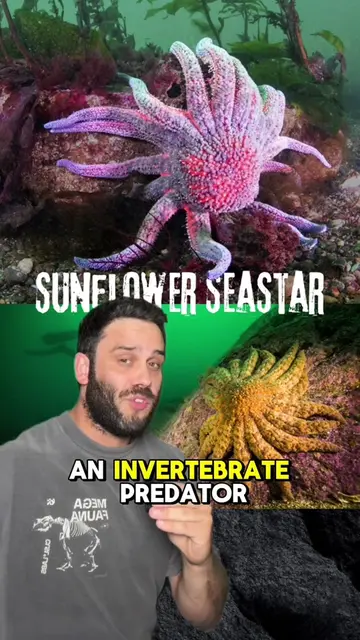
TO SEA STARS
NORTHWEST
Species Reintroduction Fund
nal reintroduction
Species Reintroduction Fund
nal reintroduction
TO LEARN MORE
CHECK MY COLOSSAL
PLAYLIST
UP TO DATE
Rising Phoenix
Join us in conserving Siem Pang
Wildlife Sanctuary and its globally
threatened species.
SIEM PANG
Wildlife Sanctuary
WHO WE ARE
Siem Pang
Siem Pang Wildlife Sanctuary is a unique
and globally irreplaceable site. It supports
populations of five bird species listed by
IUCN as Critically Endangered, including
Cambodia's national bird, the giant ibis.
This means without immediate
conservation interventions, these species
face a high chance of global extinction.
The area forms part of one of the largest
blocks of protected forest across
Cambodia, Laos and Vietnam. Siem Pang
is situated in North-Eastern Cambodia, in
Stung Treng Province.
FIND OUT MORE
RISING PHOENIX WEB
IF THERE IS
A SPECIFIC ANIMAL
FROM THE REINTRODUCTION
ME TO COVER
AND MAKE SURE
COLOSSAL'S PAGE
SO YOU CAN
DATE WITH ALL
AS IT IS ANNOUNCED
Transcript
At first glance the banteng may look like typical cattle, but it's not. It's actually a critically endangered species and its ancestors diverged from the line that would lead on to the aurochs, the ancestors of taurine cattle around 800,000 years ago. While the aurochs lineage continued evolving across the forests of Eurasia, the banteng lineage, their cousins, were evolving in the tropical forests of Southeast Asia and surrounding islands. They're around the same size as your typical cattle, but they live in very different social structures. Smaller herds, reaching upwards of 20 to 40 members on the larger end. There's one male surrounded by lots of females. And the species is extremely sexually dimorphic. In fact, when they were first described, the males and females weren't recognized as belonging to the same at all. Males are dark, females are a reddish color, and they both have bright white patches on their butts with white stockings. These traits may help herds stay together in the dark forests. Tropical forests and their ability, nocturnal lifestyle when needed, may have helped them persist alongside humans longer than their wild aurochs cousins. Their safety is disappearing. In just the last two decades, the wild banteng population has dropped more than 80%, leading to them getting added to the critically endangered list in 2024. In Cambodia, for example, habitat fragmentation. An important keystone, but the population is in danger of a silent collapse. The kind that happens when populations are too fragmented from each other, occupying isolated forest patches alongside poachers. But a conservation group called Rising Phoenix is doing something about it. And in 2024, a small breeding population living in a forest that had at one time been a wildlife corridor and then it was deforested. They found a small population. Unfortunately, evidence at the site made it clear poachers had found them first, but this allowed them to try that had never been done in Cambodia before. The location of this herd was around 30 kilometers or 18 miles south of Siem Pang, which is a wildlife sanctuary. Been working to add animals back to. Use drones to monitor and a helicopter to funnel them truck. And within four, 16 banteng were then taken to the wildlife sanctuary, a region that had been missing their keystone ungulates. Save the population. 2 calves have been born since. This is how species go extinct, left behind and taken over by deforestation and poaching. The work of Rising Phoenix proves we can save these populations. But helicopters, personnel and months of monitoring and planning, that's not cheap. Effective conservation takes plan. It takes funding. And that's where the Colossal Foundation comes in. The Colossal Foundation's Species Reintroduction Fund puts $250,000 behind the most critical reintroduction projects on the planet, every year. Launched in 2025, in partnership with Re:wild, the fund commits $250,000 annually to supporting reintroduction projects around the world, partnering with local groups to help supercharge their reintroduction efforts. This year, that funding is supporting seven species across seven completely different ecosystems and conservation challenges. From banteng in Cambodia's forest to sea stars in the Pacific Northwest. If you want to learn more, check my Colossal playlist. Stay up to date with all of this stuff as it is announced. Let me know if there is a specific animal from the reintroduction me to cover and make sure to go follow Colossal's page so you can stay up to date with all of this stuff as it is announced.