The video effectively uses a variety of compelling animal footage and highlights specific conservation projects, appealing to viewers' interest in endangered species and environmental protection. The clear structure, showcasing different animals and their conservation stories, makes the information digestible and engaging.
Summary
The video highlights the work of The Colossal Foundation's Species Reintroduction Fund, which invests $250,000 annually in conservation projects. It showcases several endangered species and the organizations working to save them, including the banteng in Cambodia, black-footed ferrets in the US, brown howler monkeys in Brazil, and the Guam kingfisher. The video also touches on the plight of sunflower sea stars and the efforts to protect them and their ecosystems.
Structure
1Introduction to The Colossal Foundation's Species Reintroduction Fund
2
Original caption
7 animals, 7 countries, and a quarter of a million dollars | The Colossal Foundation's Species Reintroduction Fund puts $250,000 behind the most critical reintroduction projects on the planet, every year… and this years cohort has been announced… The banteng, black-footed ferret, brown howler monkey, campbell’s alligator lizard, Sihek (Guam Kingfisher), northern quoll and the sunflower sea star (and countless plants and animals they share their ecosystems with)! #animals #endangered #conservation #LearnOnTikTok #biology
More from @zekedarwinscience
More breakout videos from this creator.
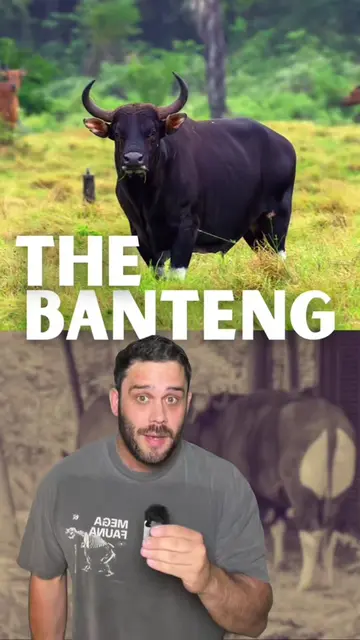
Focus on the Banteng and its conservation efforts in Cambodia
3Highlighting the Black-Footed Ferret and efforts to save them
4Discussing the Brown Howler Monkey and its rewilding in Brazil
5Showcasing the Guam Kingfisher and its reintroduction
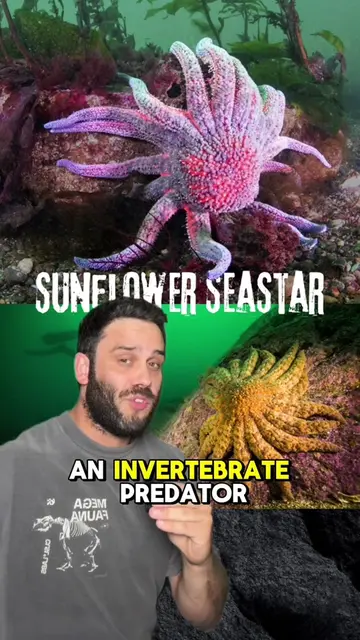
6Addressing the decline of Sunflower Sea Stars and conservation efforts
7Mentioning the Northern Quoll and Cane Toad issue in Australia
8Concluding with a call to action to follow and support conservation efforts
Product placement
The Colossal Foundation's Species Reintroduction Fund (acts: funds reintroduction projects for endangered species, removing it would change the video's topic)
Refugia (appears: credit for footage, removing it would not change the video's topic)
Endangered Species Fund (appears: part of a title, removing it would not change the video's topic)
Rising Phoenix (acts: works to relocate banteng, removing it would change the video's topic)
Turner Endangered Species Fund (acts: supports reintroduction of black-footed ferrets, removing it would change the video's topic)
Fundesgua (acts: propagates oak and cloud forest seedlings, removing it would change the video's topic)
The Nature Conservancy (acts: supports population of Sihek/Guam Kingfisher, removing it would change the video's topic)
Snuneymuxw First Nation (appears: partner in research, removing it would not change the video's topic)
Vancouver Island University (appears: partner in research, removing it would not change the video's topic)
NOAA Fisheries (appears: source of map data, removing it would not change the video's topic)
Call to action
Follow check my Colossal playlist, go follow Colossal and then check out the partners I mentioned in this video.
On-screen text
CREDIT: REFUGIA
ENDANGERED SPECIES FUND
THE COLOSSAL SPECIES
REINTRODUCTION FUND
THE COLOSSAL SPECIES
REINTRODUCTION FUND
$250,000
COMMITS $250,000
ANNUALLY
TO SUPPORT GLOBAL
REINTRODUCTION EFFORTS
AND THE 2026
CLASS HAS JUST
THE BANTENG IS
A DISTANT COUSIN
TAURINE
MEDIEVAL AUROCHS ANCESTORS
GROUP OF BOVIDS
THAT DIVERGED FROM
THE ANCESTORS OF
AROUND 800,000
YEARS AGO
CREDIT: BUYUNG SUKANANDA
CREDIT: RISING PHOENIX
THEIR CURRENT
TRAJECTORY
EXTINCTION
COUSIN THE KOUPREY
CAMBODIA'S
NATIONAL MAMMAl
WHICH HASN'T BEEN
WILD SINCE 1
1969
CAMBODIA'S REMAINING BANTENG
ARE SPREAD OUT
ACROSS ISOLATED FOREST
POPULATIONS
AND AS THEIR
FOREST CONTINUE TO
DISAPPEAR
AND POACHERS CONTINUE
DOING WHAT POACHERS
DO
THE SPECIES IS
FACING A SILENT
EXTINCTION
THE COLOSSAL
FOUNDATION
IS TEAMING UP
WITH RISING PHOENIX
HAS BEEN WORKING
TO RELOCATE BANTENG
FROM DANGEROUS
AREAS
SIEM PANG
WILDLIFE SANCTUARY
REGION THEY ARE
ATTEMPTING TO REWILD
LAST YEAR
TO SUCCESSFULLY USE
HELICOPTERS
TO HELP CAPTURE
AND TRANSLOCATE
32 BANTENG INTO
THE FOREST
CREDIT: TURNER ENDANGERED SPECIES FUND
THE BLACK-FOOTED FERRET
THEY ARE SUPPORTING
THE TURNER ENDANGERED
SPECIES FUND
TO REINTRODUCE
CAPTIVE BRED
FERRETS
RANCH
A 148,000 ACRE
WORKING BISON
IN CENTRAL SOUTH DAKOTA
TO DEPLOY A
PLAGUE MITIGATION BAIT
SYSTEM
HAS DECIMATED BLACK-
FOOTED FERRETS
SOURCE THEY RELY
PRAIRIE DOGS
THE SITE CURRENTLY
1500 ACRES
OF PRAIRIE DOG
WHICH COULD POTENTIALLY
UP TO AROUND
140 FERRETS AND
BISON RANCH
THE PRIVATE LAND
HABITAT TO USE
TO HELP EXPAND
THE BLACK FOOTED
FERRET RANGE
WHILE ALSO LEARNING
NAVIGATE THE PLAGUE
AND SCIENTIFIC ADVANCEMENTS
ARE GOING TO
IF WE WANT
A FUTURE THAT
BLACK FOOTED
FERRETS
CREDIT: REFUGIA
TO DOCUMENT A
BROWN HOWLER
MONKEY
NOW RIO DE
JANEIRO'S TIJUCA NATIONAL
WAS CHARLES
DARWIN
THIS REGION WAS
DEFORESTED EXTENSIVELY
IS BACK
CONS ELEUTERI
CONSTANTINO
MARIA
LEOPOLDO
MANUEL
MATEUS
THANKS PRIMARILY TO
SIX ENSLAVED PEOPLE
THAT PLANTED OVER
100,000 SEEDLINGS BY
BETWEEN 1861 AND
1887 BUT
CREDIT: REFUGIA
THE ANIMALS DIDN'T
MAGICALLY RISE
FLOOR WITH THE
ORGANIZATIONS
LIKE REFAUNA
WORK TO BRING
AND THE COLOSSAL
FOUNDATION IS TEAMING
TO HELP GROW
THE BROWN HOWLER
MONKEY POPULATION
WITHIN THE FOREST
VACCINATING AND SEQUENCING
OF THE HOWLER
MONKEYS THEY BRING
AND HOPE TO
LEARN MORE ABOUT
TO BETTER REWILD
THE ATLANTIC FOREST
HOW TO BETTER
BROWN HOWLER
MONKEYS
FROM YELLOW FEVER
A DISEASE
BRAZILIAN PRIMATE
POPULATIONS
CREDIT: FUNDESGUA
THE CAMPBELL'S ALLIGATOR
LIZARD WAS ONCE
FEARED EXTINCT
POPULATION WAS FOUND
REMAINING OLD GROWTH
TREES
THAT WAS ONCE
FOREST
TREES THAT ARE
STILL STANDING
SOME 50 METERS
APART FROM THE
NEAREST TREE
LED TO A
POPULATION OF THESE
THE TREES THAT
ARE EXTREMELY FRAGMENTED
FUNDESGUA
COLOSSAL
THE FOUNDATION FOR
THE ENDANGERED
SPECIES OF GUATEMALA
TO HELP PROPAGATE
AT LEAST 10,000
OAK AND CLOUD
FOREST SEEDLINGS
TO RESTORE MORE
OF CLOUD FOREST
AS A PLACE
TO REINTRODUCE CAPTIVE
ALLIGATOR LIZARDS
MAKING IT THE
WORLD'S FIRST EVER
PROTECTED AREA
SPECIES
TO PUT THIS
ONCE THOUGHT LOST
WILD THE
THE SIHEK
THE GUAM KINGFISHER
IS NOW
WILD
INVASIVE BROWN TREE
THAT ARRIVED ON
THE ISLAND WITH
MILITARY EQUIPMENT
AFTER WORLD WAR 2
IS PARTNERING WITH
THE NATURE CONSERVANCY
TO HELP SUPPORT
POPULATION OF
SIHEK IN THE
WILD AGAIN
DECLARED EXTINCT IN
1988
THE NATURE
CONSERVANCY
HAS ALREADY RELEASED
NINE
YEAR THEY HAD
A 100% SURVIVAL
RATE
WORK TOGETHER TO
CONTINUE SUPPORTING
AND GROWING THAT
POPULATION
CURRENTLY LIVING FAR
FROM HOME
THOUSANDS OF MILES
WITH NO PREDATORS
BUT THE HOPE
THAT WE CAN
SOLVE GUAM'S INVASIVE
SNAKE PROBLEM
AND THE DESCENDANTS
OF THIS BIRD
POPULATION
FLY IN THE
FORESTS OF GUAM
CANE TOADS HAVE
DECIMATED THE NORTHERN
AND "COLOSSAL'S CURRENT
WORK ON GENETICALLY ENGINEERING
THAT CAN EAT
CANE TOADS MAKES
THE AUSTRALIAN
WILDLIFE CONSERVANCY
A NO BRAINER
THE GROUP HAS
ALREADY REINTRODUCED 23
DIFFERENT SPECIES
ACROSS THEIR SANCTUARY
AND WITH THE
COLOSSAL SPECIES
REINTRODUCTION
FUND
THEY ARE GOING
TO TRANSLOCATE UP
TO 30 WILD COULS
INTO A 950
FERAL-PREDATOR
-FREE SAFE HAVEN
QUEENSLAND
AND LAST BUT
PERSONAL FAVORITE
THE SUNFLOWER SEA
STAR
INVERTEBRATES NEED SOME
ESPECIALLY KEYSTONE SPECIES
LIKE THIS
A ONE METER
ARM SPAN
HUNTS PURPLE SEA
AND UP UNTIL
2013 THEY WERE
COMMON FROM BAJA
MEXICO UP TO
ALASKA'S ALEUTIAN ISLANDS
BUT THEN IN
2013 EVERYTHING CHANGED
AND BY 2017
THEIR POPULATION HAD
COLLAPSED BY 99%
LEAVING A NOTICEABLE
KELP FOREST ECOSYSTEMS
THEY HELPED PROTECT
COLOSSAL IS PARTNERING
WITH THE SNUNEYMUXW
FIRST NATION
AND VANCOUVER ISLAND
UNIVERSITY TO HELP LEARN
HOW TO BETTER
THESE PECULIAR INVERTEBRATES
IN CAPTIVITY WHILE
ALSO STUDYING THEIR
SO THAT THEY
TO THE SNUNEYMUXW
WATERS AND BEYOND
ALREADY WAY TOO
LOVED TO TALK
MORE ABOUT EACH
SPECIES
MAKING MORE VIDEOS
OVER THE NEXT
DIVING DEEPER INTO
THE STORIES OF
SO IF YOU
MORE
FOLLOW CHECK MY
COLOSSAL PLAYLIST
GO FOLLOW COLOSSAL
AND THEN
THE PARTNERS I
VIDEO
WHAT THEY ARE
AND HOW THEY
ARE HELPING MAKE
A BETTER PLACE
Transcript
If you care about endangered animals, then I have great news. The Colossal Foundation's Species Reintroduction Fund puts $250,000 behind the most critical reintroduction projects on the planet, every year. The Colossal Species Reintroduction Fund commits $250,000 annually to support global reintroduction efforts. And the 2026 class has just been announced. The banteng is a distant cousin of the taurine, medieval aurochs ancestors, a group of bovids that diverged from the ancestors of around 800,000 years ago. Their current trajectory is extinction, like their recent cousin, the kouprey, Cambodia's national mammal, which hasn't been wild since 1969. Cambodia's remaining banteng are spread out across isolated forest populations, and as their forest continues to disappear and poachers continue doing what poachers do, the species is facing a silent extinction. The Colossal Foundation is teaming up with Rising Phoenix, a group that has been working to relocate banteng from dangerous areas to Siem Pang Wildlife Sanctuary. Region they are attempting to rewild. Last year, to successfully use helicopters to help capture and translocate 32 banteng into the forest. The black-footed ferret. They are supporting the Turner Endangered Species Fund to reintroduce captive-bred ferrets. Ranch, a 148,000 acre working bison ranch in central South Dakota. To deploy a plague mitigation bait system. Has decimated black-footed ferrets, and the food source they rely on, prairie dogs. The site currently 1500 acres of prairie dog which could potentially up to around 140 ferrets and bison ranch. The private land habitat to use to help expand the black-footed ferret range while also learning to navigate the plague and scientific advancements are going to if we want a future that black-footed ferrets. Credit: Refugia. To document a brown howler monkey, now Rio de Janeiro's Tijuca National Park was Charles Darwin. This region was deforested extensively. Is back. Cons Eleuteri, Constantino, Maria, Leopoldo, Manuel, Mateus. Thanks primarily to six enslaved people that planted over 100,000 seedlings by between 1861 and 1887. But the animals didn't magically rise from the forest floor with the trees. Organizations like Refauna work to bring and the Colossal Foundation is teaming to help grow the brown howler monkey population within the forest. Vaccinating and sequencing of the howler monkeys they bring and hope to learn more about to better rewild the Atlantic Forest. How to better brown howler monkeys from yellow fever. A disease that's threatened Brazilian primate populations recently. The Campbell's alligator lizard was once feared extinct. Population was found remaining old growth trees. That was once forest. Trees that are still standing are scattered, some 50 meters apart from the nearest tree. Led to a population of these, the trees that are extremely fragmented. Fundesgua. Colossal. The Foundation for the endangered species of Guatemala to help propagate at least 10,000 oak and cloud forest seedlings to restore more of cloud forest. As a place to reintroduce captive alligator lizards, making it the world's first ever protected area species. To put this once thought lost wild the Sihek, the Guam Kingfisher. Is now wild. Invasive brown tree that arrived on the island with military equipment after World War 2. The Nature Conservancy is partnering with the Nature Conservancy to help support population of Sihek in the wild again. Declared extinct in 1988. The Nature Conservancy has already released nine. Year they had a 100% survival rate. Two will work together to continue supporting and growing that population. Currently living far from home, thousands of miles away, with no predators. But the hope that we can solve Guam's invasive snake problem. And the descendants of this bird population fly in the forests of Guam. Cane toads have decimated the northern and Colossal's current work on genetically engineering that can eat cane toads makes the partnership with the Australian Wildlife Conservancy a no brainer. The group has already reintroduced 23 different species across their sanctuary and with the Colossal Species Reintroduction Fund, they are going to translocate up to 30 wild couls into a 950 feral-predator-free safe haven in Northern Queensland. And last but not least, my personal favorite, the sunflower sea star. Invertebrates need some especially keystone species like this. A one meter arm span hunts purple sea and up until 2013 they were common from Baja, Mexico up to Alaska's Aleutian Islands. But then in 2013 everything changed. And by 2017, their population had collapsed by 99%, leaving a noticeable kelp forest ecosystems. They helped protect. Colossal is partnering with the Snuneymuxw First Nation and Vancouver Island University to help learn how to better these peculiar invertebrates in captivity while also studying their DNA. So that they to the Snuneymuxw waters and beyond. Already way too loved to talk more about each species. Making more videos over the next diving deeper into the stories of. So if you more, make sure to follow, check my Colossal playlist. Go follow Colossal and then check out the partners I mentioned in this video. What they are and how they are helping make a better place.