Loading video…
Sound

original sound - samuelszuchan
Sam Szuchan · Original audio
0:00–:––
Playing this video’s own audio, so you’ll hear the creator over the sound.
The video effectively uses historical context and striking visuals to tell the story of the Randoseru, transforming a seemingly simple object into a symbol of social and economic commentary. The comparison of its price to different income levels and the narrative of its enduring popularity create a compelling and shareable story.
This video explains the history and significance of the Randoseru, a traditional Japanese school backpack. Initially designed to promote equality by having all children carry their own bags, it evolved into a symbol of status and wealth, with high prices reflecting its enduring popularity and craftsmanship.
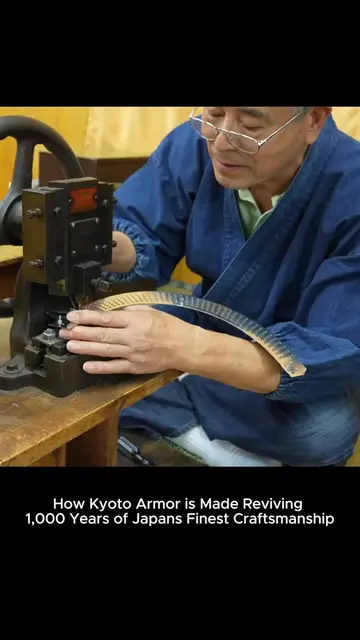
Japan's most famous school backpack was designed to erase wealth from the schoolyard. Instead, it became the ultimate class symbol. In 1885, Gakushuin, the school for the imperial family and nobility, banned carriages, rickshaws, and servants carrying children's things. The stated principle: at school, everyone should be equal. Every child would carry their own bag. They chose a Dutch military knapsack, the ransel, because it freed both hands. Two years later, Japan's first prime minister gave the young crown prince a firm leather box version as a school entry gift. And it worked. Transport as a signal of family: closed. Servants as a signal: closed. Clothing, under the school uniform: closed. Every visible channel through which a rich child could be read as rich got shut, one by one. But when you close every visible channel for status except one, the entire weight of family wealth display flows into the channel you left open. The one remaining variable was the bag itself, and 130 years of buyers and makers compounded the load onto it. The 2026 average purchase price is 62,034 yen, about $385. The artisan tier runs past 100,000 yen. That sounds expensive but manageable in dollars, until you weigh it against income. Median Japanese household income is 4.1 million yen, so this bag is 1.5% of it. Apply that same proportion to a median American household around $80,000, and you're at roughly $1,200 for a first-grader's backpack. The cordovan tier lands closer to $2,000. One workshop in Toyama, Kurokawa Kaban, founded in 1895, sells its year in a few weeks and goes dark. Popular colors sell out within hours. The ransel was invented so no child would be marked in the schoolyard by wealth. It succeeded so thoroughly that it became universal, mandatory, and priced. And it's now worn on the back of the one person in the arrangement who has no idea why it’s so expensive and can only feel how heavy it is.
Japan's famous backpack
Introduction of the Randoseru and its purpose of promoting equality.
The evolution of the Randoseru into a status symbol.
The historical context of its introduction and its military inspiration.
The cost of the Randoseru and its comparison to household income.
The enduring popularity and craftsmanship of the Randoseru.
Gakushuin (the school for the imperial family and nobility) ACTS - it is the institution that banned certain items, and its history is discussed. Removing it would change the video's topic. Kurokawa Kaban (a workshop) APPEARS - it is mentioned as the place where the backpacks are made, but its interface is not operated and no specific result comes from it. Removing it would not change what happens in the video.
Playing this video’s own audio, so you’ll hear the creator over the sound.
Promotes 1 product. Create free account to see more.
Outliers and viral hits: their videos on Overshot, all time.
Japanese school backpacks for primary and elementary school students
All time.