Loading video…
All breakouts
3.9Talking HeadWarning hookLifestyle
Hook
WATCH THIS BEFORE PLANTING GRASS SEED!
@ope.itsmowtime
214.7K followers · usually 23.4K views a post
Views
86.2K
Likes
2.0K
Comments
49
Shares
574
Promoted product
Resilience II
Why it worked
The video provides practical, actionable advice for a common homeowner task (lawn care) presented in a concise and engaging format. The creator's personal experience and the offer of a free guide create value and encourage engagement.
Summary
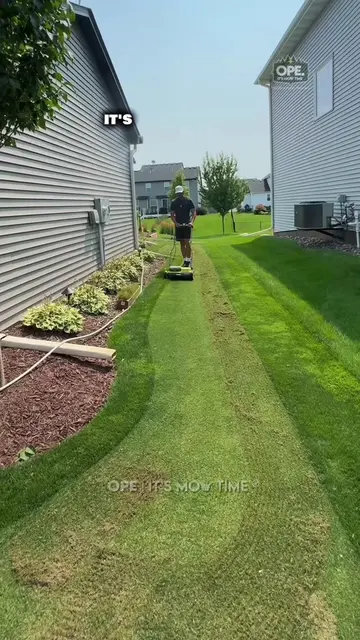
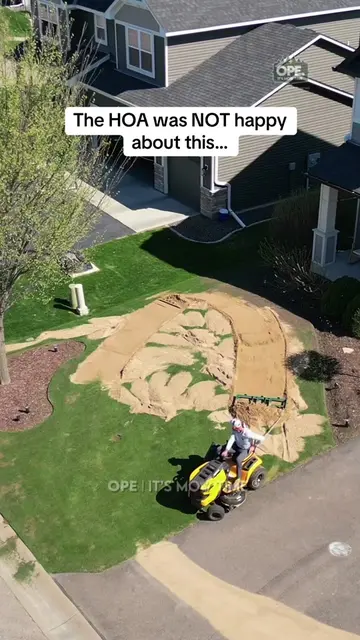
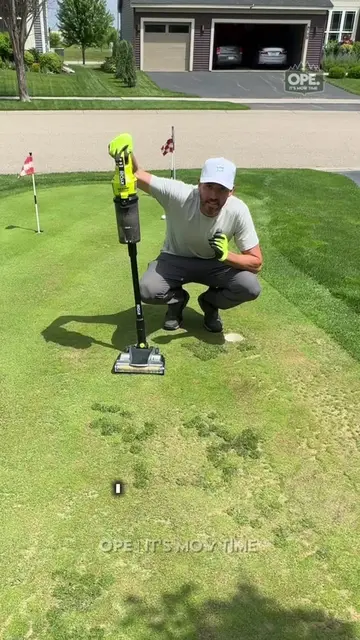
This video provides essential tips for planting grass seed in the fall. It emphasizes the importance of considering the average first frost date, choosing the right type of seed, and allowing adequate time for germination and maturation before winter.
Structure
- 1Introduction: Importance of knowing before planting grass seed
- 2Timing: Fall is best, but consider frost dates
- 3Seed Selection: Good vs. bad seed and their impact
- 4Time Budgeting: Allowing time for germination and maturation
- 5Call to Action: Free guide and follow for more tips
Original caption
I wish I knew this earlier!! 🗓️ 📚 | Download my free guide “What Grass is BEST for Me?” for all my seed recommendations on the ELITE seed! 🌱 #DIY #lawn #grass #lawncare #homeimprovement
More from @ope.itsmowtime
More breakout videos from this creator.