Loading video…
Sound

original sound - mnskyes56560
🧩Just Another Hot Take | Skye · Original audio
0:00–:––
Playing this video’s own audio, so you’ll hear the creator over the sound.
We didn’t find a product being promoted in this video. Its hook, format and structure below still show why it took off.
Browse products winning on TikTokThe video likely resonated due to its focus on a high-profile true crime case and the creator's analytical approach to dissecting testimony. The use of a numbered count and the promise of uncovering 'hidden' information taps into viewer curiosity and the desire for a clear, evidence-based understanding of complex events.
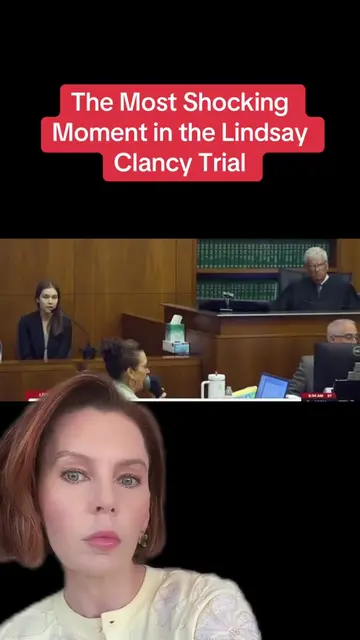
The creator analyzes the trial of Lindsay Clancy, focusing on how often the name "Patrick" is mentioned as a source of information. She counts 31 instances where Patrick's statements are referenced by witnesses, investigators, or experts, but argues that these often stem from a single original source, highlighting the need to distinguish between repeated claims and independent evidence.
Correction: it was actually 32 @jessbeinghonest THIRTY ONE TIMES. #LindsayClancy #LindsayClancyTrial #PatrickClancy #CourtTok #TrueCrimeTok
"Patrick said"
Introduction: Counting mentions of "Patrick said" in the trial.
Methodology: Defining what counts as a "Patrick said" reference.
The Count: Revealing the number 31 occurrences.
Analysis: Explaining that multiple mentions often stem from a single source.
The Core Question: Differentiating between repeated claims and independently verifiable facts.
Conclusion: Emphasizing the importance of evidence over repeated statements.
TikTok (app): appears as a watermark on the video. Removing it would not change what happens in the video.
Playing this video’s own audio, so you’ll hear the creator over the sound.
Outliers and viral hits: their videos on Overshot, all time.